Whether a Bernese Mountain Dog Loves Snow
For Bernese Mountain Dog owners, or those dreaming of bringing one of these magnificent creatures into their lives, there's a common, almost idyllic image that often comes to mind: a beautiful tri-color dog, happily romping through a pristine field of snow. But is that image truly accurate? Do Bernese Mountain Dogs genuinely love snow, or is it just a pretty picture? If you've ever watched your Berner seemingly transform into a giddy puppy at the first snowflake, you're not imagining things. This guide will delve into why these majestic dogs are so at home in winter wonderlands and what you need to know to ensure their snowy adventures are safe and joyful.
Born for the Brisk: Understanding the Bernese Mountain Dog's Heritage and Climate
It's no accident that Bernese Mountain Dogs seem to have a special affinity for colder weather and snow. Their very existence is deeply intertwined with the alpine environment from which they hail, and their physical attributes are a testament to centuries of adaptation.
The Alpine Roots of a Mountain Dog
The Bernese Mountain Dog's story begins high in the Swiss Alps, specifically in the Dürrbach Valley, which is where they get their original name, "Dürrbächler." Imagine shepherds and farmers living in these incredibly beautiful yet undeniably harsh landscapes, where snow is a given for much of the year. These weren't dogs bred for pampered indoor lives; they were working dogs, indispensable partners to their human companions.
Their lineage is steeped in the necessity of navigating icy trails, enduring biting winds, and thriving in conditions that would send many other breeds scrambling for warmth. This deep history means that a love for the cold, and by extension, snow, isn't just a quirk; it's a fundamental part of their genetic makeup. They weren't just surviving in the snow; they were built to work within it, pulling carts laden with dairy products or herding livestock across snow-covered pastures. Understanding The Swiss Valley the Bernese Mountain Dog Comes From really helps paint a picture of their natural habitat and why snow feels so innate to them.
This inherent hardiness means that for many Berners, a fresh snowfall isn't an inconvenience; it's an invitation. It taps into generations of instinct, offering a playground that feels like home. Their ancestors traversed these snowy mountains, and that primal connection remains strong in the Bernese Mountain Dogs we cherish today. They are not merely tolerant of snow; they are, in many ways, designed for it.
The Double Coat: A Bernese Mountain Dog's Natural Insulation
A significant reason why Bernese Mountain Dogs can embrace frosty temperatures and snowy landscapes is their magnificent coat. Unlike many breeds with single coats, the Berner boasts a thick, luxurious double coat. This isn't just for show; it's a marvel of natural engineering, providing crucial protection against the elements.
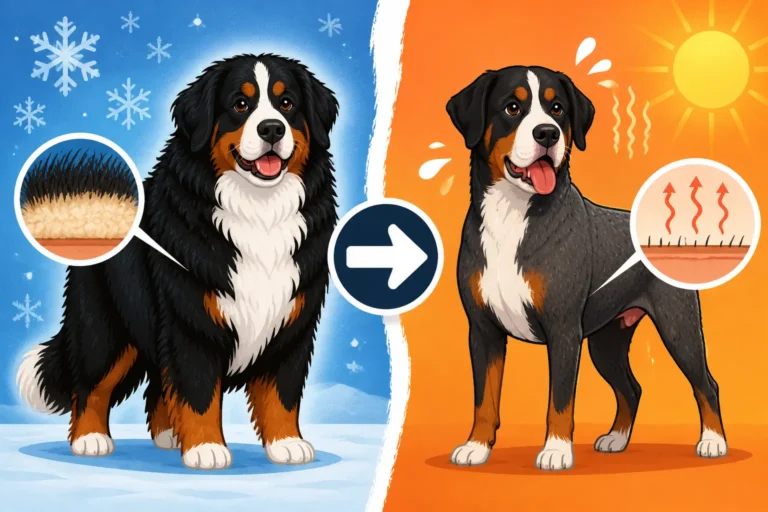
The outer coat is long, thick, and slightly wavy, designed to shed water and snow, preventing it from soaking through to the skin. Beneath this protective layer lies a dense, woolly undercoat. This undercoat acts as an incredibly efficient insulator, trapping a layer of warm air close to the dog's body, much like a down jacket keeps us warm. It creates a barrier against the biting cold, allowing them to maintain their core body temperature even when temperatures plummet. This dense undercoat also contributes to The Bernese Mountain Dog Coat Texture a Judge Feels when assessing the breed standard.
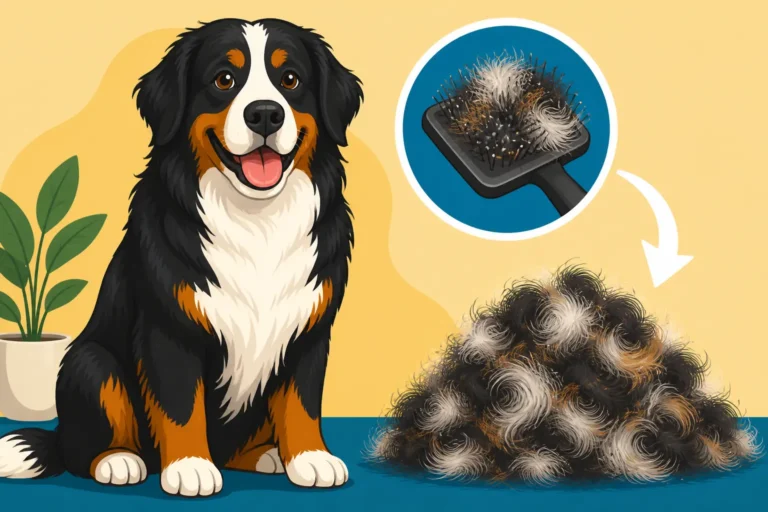
This natural insulation allows Berners to enjoy extended periods outdoors in snowy conditions without becoming overly chilled. It's why you'll often see them lying contentedly in a snowdrift, perfectly comfortable while you shiver in your parka. However, this magnificent coat does come with responsibilities. Proper grooming is essential year-round to ensure the coat remains healthy and functional. Matted or dirty coats lose their insulating properties, making a Berner more susceptible to cold. Regular brushing helps remove loose hair, prevents matting, and ensures that this vital natural protection system is always performing at its best.
Snow Day Delights: How Bernese Mountain Dogs Interact with Snow
Watching a Bernese Mountain Dog experience snow for the first time, or the hundredth, is truly a sight to behold. Their reactions are often pure joy, a boundless enthusiasm that reminds us of the simple pleasures in life.
The Joyful Romp: Typical Berner Reactions to Snowfall
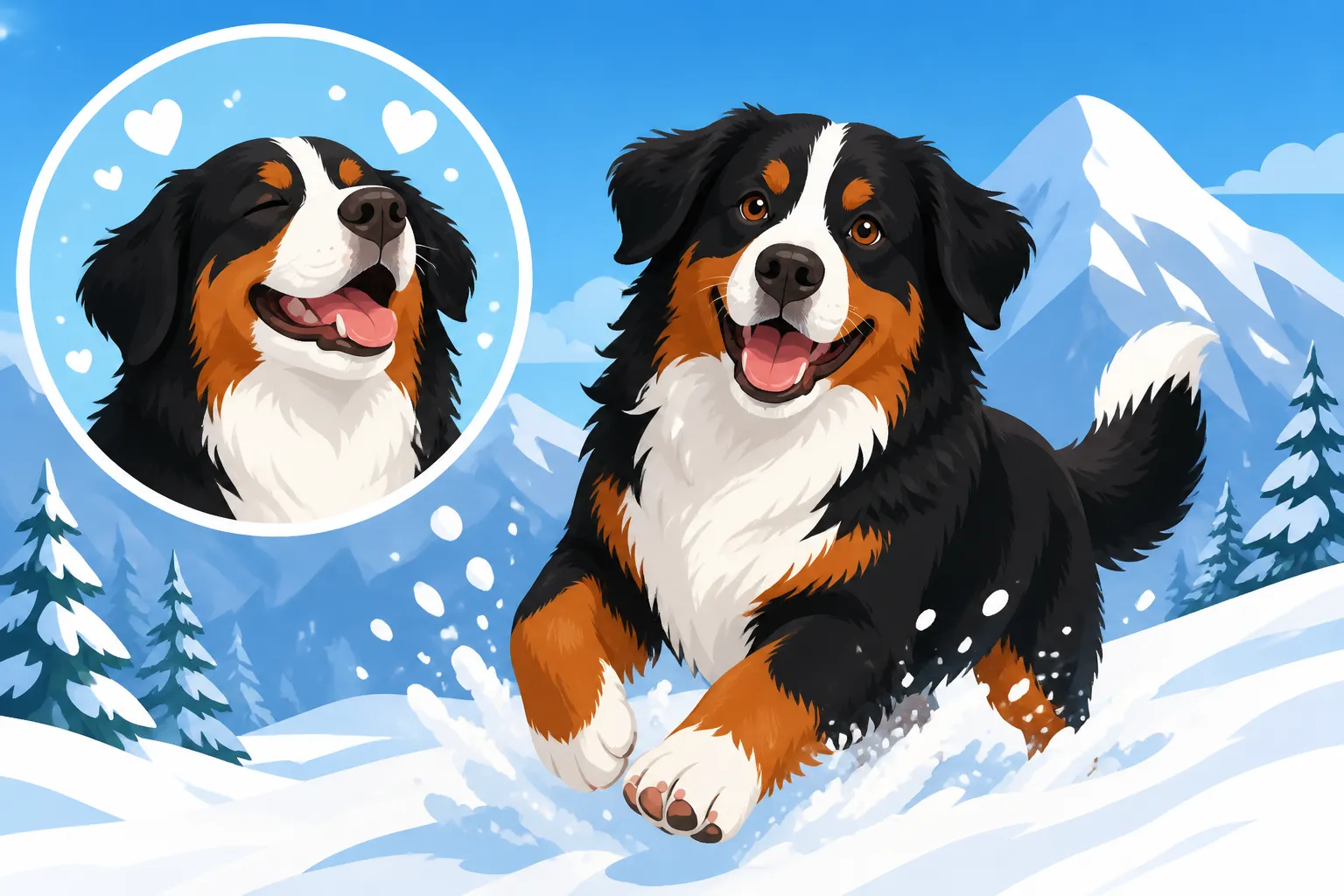
When the first flakes begin to fall, or a fresh blanket of snow covers the ground, many Bernese Mountain Dogs undergo a delightful transformation. The calm, composed companion you know indoors often becomes an exuberant, playful whirlwind. Their initial reactions can range from curious sniffing of the new, soft terrain to immediate bursts of pure, unadulterated excitement.
You might witness the classic "zoomies," where they bolt around the yard at top speed, kicking up snow in their wake, often culminating in a spectacular, full-body roll in a fresh snowdrift. There's something about the texture and novelty of snow that seems to awaken a primal joy within them. They might bury their faces in it, snorting and blowing snow, or even attempt to "eat" mouthfuls of the fluffy white stuff – a behavior that always brings a smile. It's a spontaneous, uninhibited display of happiness that makes any cold day feel a little warmer.
This boundless energy in cold weather is also linked to their physical comfort. While many dogs pant heavily and tire quickly in warmer temperatures, Berners often feel invigorated by the cool crisp air. Their thick coats, which can be a disadvantage in summer, become their superpower in winter, allowing them to exert themselves without overheating. This means they can enjoy longer play sessions, exploring and romping in the snow with an enthusiasm that seems to know no bounds, truly reveling in every moment of their snowy adventure.
Working and Playing: Activities Berners Enjoy in Snow
Beyond the initial bursts of excitement, Bernese Mountain Dogs excel at various snow-based activities, reflecting their historical working roles and their innate desire for engagement. For a Berner, snow isn't just for looking at; it's for doing!
Fetch is often elevated to an art form in the snow. A brightly colored ball or toy thrown into a pristine white field becomes a thrilling hunt, with your Berner plowing through drifts, nose-diving into snow banks, and emerging victorious, covered in snow but beaming. Many Berners also love a good game of tug-of-war, even more so when the ground provides a bit of extra grip for their powerful paws. Beyond games, snow offers a fantastic opportunity for them to engage in Backpacking With a Bernese Mountain Dog or other forms of draft work. With a properly fitted harness and a sled or cart, they can rediscover their heritage as working dogs, pulling light loads through the snow. This provides both physical exercise and mental stimulation, which is incredibly fulfilling for a breed that thrives on purpose.
For those who enjoy winter sports, a Bernese Mountain Dog can be an excellent companion. Hiking through snowy trails becomes an adventure, with your Berner confidently leading the way, their powerful legs easily navigating deeper snow. They enjoy exploring new scents hidden beneath the snow and will often "dig" with their noses, creating snow tunnels to investigate. Just remember that their size and strength mean they can easily pull you off balance if you're not prepared, so good leash manners are always key, especially on slippery surfaces. If you're considering serious draft work, remember that there are Draft Test Entry Fees for a Bernese Mountain Dog and specific training involved, but for many, simply letting them pull a child's sled in the backyard brings immense joy to both dog and family.
Practical Considerations for Snowy Bernese Mountain Dogs
While Berners generally adore snow, it's not without its challenges and requires some thoughtful preparation and care from their human companions. Even the most snow-loving dog needs a little help sometimes.
Protecting Paws and Preventing Snowballing
One of the most common issues Bernese Mountain Dog owners face in snowy conditions is the formation of ice balls between their dog's paw pads. Their long hair, especially the feathering on their legs, can quickly accumulate snow and ice, forming hard, uncomfortable clumps. These can not only be painful but can also lead to chafing, skin irritation, and even lameness. Beyond that, paws are sensitive to extreme cold, and prolonged exposure can risk frostbite, especially on the tips of their pads or between their toes.
Furthermore, winter sidewalks and roads are often treated with de-icing salts and chemicals. While effective for human safety, these substances can be corrosive and toxic to a dog's paws. Ingesting them when licking paws after a walk can cause gastrointestinal upset. To combat these issues, there are a few excellent strategies. Applying a protective paw balm before walks can create a barrier against ice and chemicals. For more serious protection, dog booties can be a lifesaver, though finding ones that fit a Berner's substantial paws comfortably and stay on can be a bit of a quest!
Regular grooming is your best defense against snow accumulation. Keeping the hair trimmed short between your Berner's paw pads significantly reduces the surface area for snow and ice to cling to. This is where knowing how to manage Hair Between a Bernese Mountain Dog's Toes is incredibly helpful. After every snowy outing, it's crucial to thoroughly check and clean your dog's paws. Warm water can quickly melt any ice balls, and a soft towel can remove residual moisture and salt. Products from brands like Chewy or Amazon often offer a good range of paw balms and booties to explore, though individual fit and preference for your Berner will dictate what works best.
Recognizing Limits and Ensuring Safety in Extreme Cold
Even though Bernese Mountain Dogs are built for cold weather, they do have their limits. It's a common misconception that because they have thick coats, they are impervious to all winter conditions. While they are more tolerant than many breeds, extreme cold, especially when combined with wind chill or wetness, can still pose a risk of hypothermia or frostbite. You might want to review The Temperature a Bernese Mountain Dog Stops Coping if you live in a really cold region.
It's vital to watch your Berner for signs of being too cold: shivering, lethargy, reluctance to move, or lifting paws off the ground can all indicate discomfort or worse. Just like humans, older Berners or those with underlying health conditions, such as arthritis or heart issues, will be more susceptible to the cold and might need shorter outdoor stints or even a cozy sweater for very severe temperatures. Knowing Caring for a Bernese Mountain Dog After Six often means recognizing these increased sensitivities.
Staying hydrated is also important, even in winter. Dogs can become dehydrated in cold weather, just as they can in heat, so ensure they have access to fresh, unfrozen water. When planning long outdoor excursions in truly frigid temperatures, consider taking along water and perhaps even a high-energy snack. Always provide a warm, dry, and sheltered place for your Berner to rest and recover after outdoor play, and remember that even if they seem to enjoy being outside for hours, supervision is key.
Here's a quick guide to distinguishing happy snow play from signs of cold stress:
| Behavior / Sign | Happy Play in Snow | Potential Cold Stress |
|---|---|---|
| Movement | Energetic running, jumping, rolling, digging | Slow, reluctant to move, stiff gait, shivering |
| Vocalization | Happy barks, snorts, playful growls | Whining, whimpering, unusual quietness |
| Body Posture | Engaged, tail wagging, body relaxed | Hunched, tense, tail tucked, trying to curl up |
| Paws/Ears | Normal color, no excessive lifting | Lifting paws, frequent licking of paws, pale ears |
| Breathing | Normal or slightly increased with exertion | Shallow, slow, or labored breathing |
| Disposition | Alert, engaged, playful | Lethargic, unresponsive, seeks shelter |
| Coat Condition | Snow may accumulate, but coat remains fluffy | Wet, matted, not shedding snow effectively |
Common Misconceptions and Best Practices
Despite their love for snow, it's easy for owners to fall into certain traps or misunderstandings about their Bernese Mountain Dog's cold tolerance. Understanding these nuances can ensure a safer, more enjoyable winter for everyone.
The Myth of Indestructibility: When Cold Becomes Too Cold
It's true that Bernese Mountain Dogs thrive in colder climates and absolutely adore snow, but it's a dangerous myth to believe they are truly indestructible against all winter conditions. While their thick double coat offers phenomenal protection, there's a point where even a Berner can succumb to the elements. Extreme temperatures, especially those dipping far below freezing, can still be hazardous. Factors like wind chill significantly amplify the effect of cold, making already cold temperatures feel even more dangerous.
Moreover, if your Bernese Mountain Dog gets thoroughly wet, their insulating undercoat can lose much of its effectiveness. A wet Berner in freezing temperatures is at a much higher risk of hypothermia than a dry one, even if they're otherwise healthy. Consider also your dog's individual health and age. A robust, young Berner might handle prolonged exposure better than an older dog with joint issues or a puppy still developing its full coat and immune system. Even if they seem to show Whether a Bernese Mountain Dog Notices the Cold at All, don't mistake their stoicism for invincibility. It's our responsibility as owners to be vigilant, reading the weather conditions and our dog's cues, rather than relying solely on their breed reputation.
Always exercise common sense and err on the side of caution. Shorten walks during blizzards or ice storms, ensure they have access to a warm, dry indoor space, and never leave them unsupervised outdoors for extended periods in harsh weather. A Bernese Mountain Dog might seem to be having the time of their life rolling in a snowbank, but a sudden drop in temperature or getting thoroughly soaked can change the equation quickly. It's about balancing their joy for snow with responsible pet ownership, understanding that even the hardiest breeds have their limits when facing nature's extremes.
Post-Snow Care: Drying and Grooming After Outdoor Play
After a glorious romp in the snow, the care doesn't stop once you're back indoors. Proper post-snow grooming is crucial to prevent common winter-related issues and maintain your Bernese Mountain Dog's health and comfort. Neglecting this step can lead to skin problems, matting, and discomfort.
First and foremost, a thorough drying is in order. A wet coat can lead to skin irritation, hot spots, or even exacerbate existing skin conditions. Use absorbent towels to remove as much moisture as possible, paying close attention to the undercoat, which can take a surprisingly long time to dry. For an even more effective dry, especially if your Berner got thoroughly soaked, a high-velocity dog dryer can be a game-changer. These dryers push water out of the coat without using heat, speeding up drying time and preventing issues. After drying, gently comb through their coat to remove any remaining snow, ice, or debris that might have been trapped. It's important to be gentle, as frozen bits can tug on their skin.
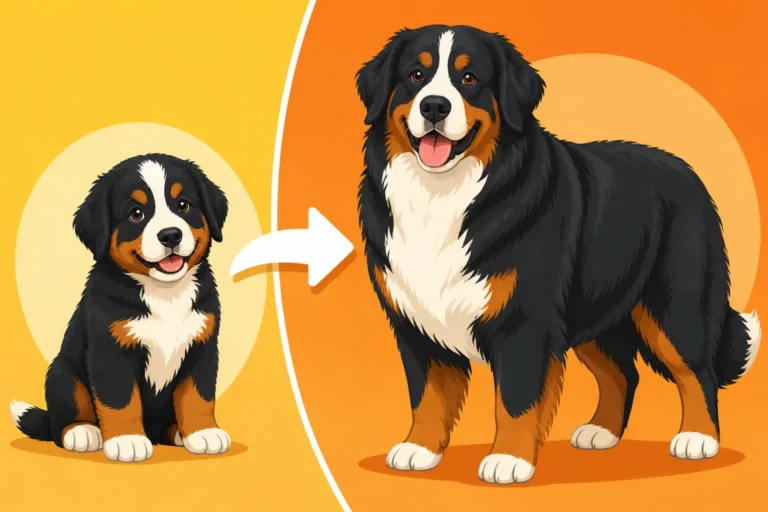
This is also an ideal time to check for matting, especially behind the ears, in the armpits, and along the feathering of the legs – areas where snow can easily clump and contribute to tangles. If you find any mats, address them carefully; attempting to brush out a large, wet mat can be painful and damage the coat. Regular brushing, like what you would do when Brushing Out a Bernese Mountain Dog's Undercoat, helps prevent these issues year-round, but it's particularly important during snowy seasons. A good grooming routine, including knowing how to handle Mats in a Bernese Mountain Dog's Ruff or other common matting areas, will ensure their coat remains healthy and their skin can breathe. Brands like Chewy and Amazon offer a variety of grooming tools, from powerful force dryers to detangling sprays, that can make this process much easier for both you and your Berner. Regular grooming, as part of Grooming a Bernese Mountain Dog's Long Tricolor Coat, is truly an act of love and prevention.
Disclaimer
This article is for general informational purposes only and does not constitute professional advice. Laws, prices and regulations vary by location and change over time. Consult a qualified professional for guidance on your specific situation.