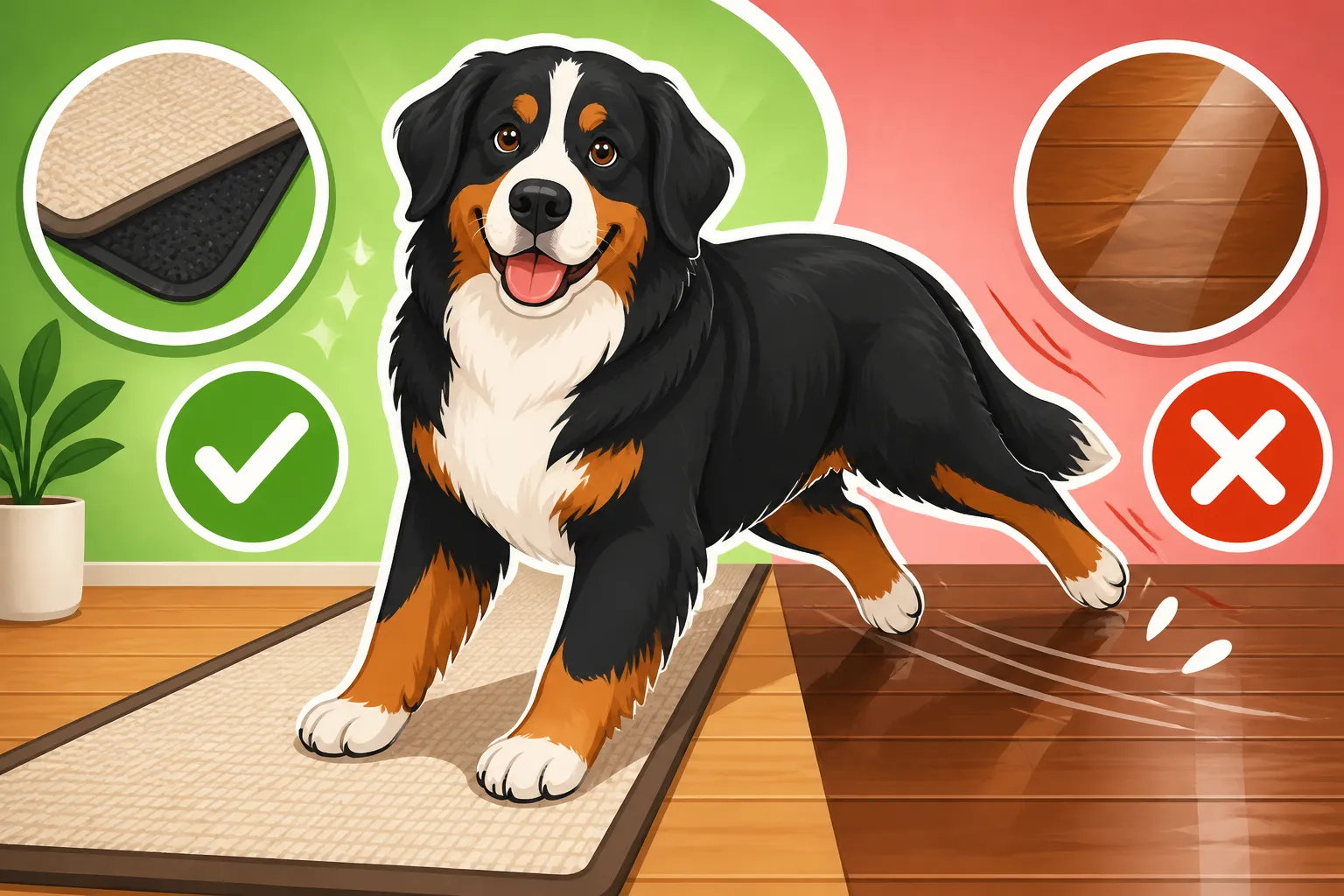
Runners and Rugs for a Bernese Mountain Dog That Slips
Anyone who shares their home with a majestic Bernese Mountain Dog knows the joy they bring, but also the challenges, especially when those big, wonderful paws meet slick, hard floors. It's heart-wrenching to watch your beloved Berner struggle, perhaps slipping and splaying out just trying to get to their food bowl or greet you at the door. Not only is it a constant source of stress for us owners, but it poses a real risk to their precious joints and overall confidence. This guide is here to walk you through practical, empathetic solutions to transform your home into a safe, slip-free haven for your gentle giant.
Why Hard Floors Are a Hazard for Your Bernese Mountain Dog
It’s easy to overlook how treacherous hard floors can be until you have a large dog in your life, especially one like a Bernese Mountain Dog. These beautiful giants are built for mountain terrain, not highly polished wood or tile. Their sheer size, combined with certain breed predispositions, makes these seemingly innocuous surfaces a genuine threat to their long-term health and daily comfort.
The Physics of a Giant Breed on Smooth Surfaces
Imagine trying to navigate an ice rink in big, heavy boots with no grip – that's often what a Berner experiences on a tile or hardwood floor. Their substantial weight, often upwards of 80 to over 100 pounds, creates significant momentum. When they move quickly, like getting up from a nap or dashing to the door, a single slip can lead to their legs splaying out from under them in a terrifying way. Their anatomy, specifically their naturally wide stance and powerful but often less agile gait compared to smaller breeds, means they rely heavily on paw pad traction. Without it, they're simply not equipped to handle a sudden loss of friction.
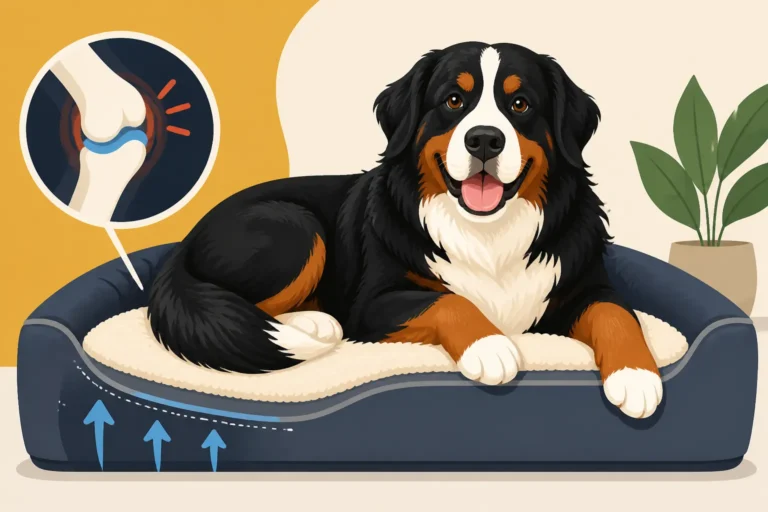
Moreover, many Bernese Mountain Dogs are prone to joint issues, like hip and elbow dysplasia. Conditions such as Joint Disease in a Hundred Pound Bernese Mountain Dog or Hips That Fail Under a Bernese Mountain Dog's Weight are unfortunately common in the breed. Every micro-slip, every unsteady step, and certainly every full-blown fall, adds cumulative stress to these already vulnerable joints. It’s like repeatedly hitting a weak spot – over time, it exacerbates existing problems and can even hasten the onset of new ones, leading to pain, stiffness, and reduced mobility. We're not just talking about comfort; we're talking about protecting their foundational health.
The Mental and Physical Toll of Constant Slipping
Beyond the immediate physical danger, the constant struggle with slippery floors takes a heavy toll on a Bernese Mountain Dog's mental well-being. Dogs, especially confident and affectionate breeds like Berners, thrive on feeling secure. When they constantly feel unstable or experience painful falls, they can quickly develop anxiety around moving on certain surfaces. You might notice your Berner becoming hesitant to walk into the kitchen, or perhaps they start shuffling rather than walking with their usual joyful stride. This reluctance isn to be mistaken for stubbornness; it's often a direct result of fear – fear of falling, fear of pain, and a loss of confidence in their own body. This psychological impact can lead to a more sedentary lifestyle, which then has its own negative physical consequences, like muscle loss and weight gain, further impacting joint health.
Physically, the consequences can range from minor aches to serious injuries. A sudden slip can cause muscle strains, ligament sprains, or even fractures in extreme cases. For Berners already dealing with conditions like Arthritis in a Bernese Mountain Dog by Six, a bad fall can set back their recovery, intensify their pain, or even lead to irreversible damage. We've seen dogs whose arthritis progressed more rapidly because they were constantly trying to brace themselves or suffered repeated minor traumas. It's a vicious cycle where instability leads to injury, which leads to more instability. Addressing this issue isn't just about preventing dramatic falls; it's about safeguarding their everyday movements, preserving their joy in walking around the house, and extending their quality of life.
Choosing the Right Runners and Rugs: What to Look For
Okay, so we've established that hard floors are a no-go for our Berners. The good news is, there are fantastic solutions out there! But not just any rug or runner will do. Given the size, weight, and unique needs of a Bernese Mountain Dog, we need to be strategic in our choices. It’s all about finding the right balance of traction, durability, and comfort for your furry family member.
Material Matters: Traction and Durability
When you’re looking at runners and rugs for your Bernese Mountain Dog, the material is paramount. You want something that offers excellent grip for their paw pads, but also stands up to their weight and activity. Synthetic blends like nylon and polypropylene are often a fantastic choice. They're durable, stain-resistant, and can offer good traction with a tighter, lower pile. Wool can also be an excellent option, providing natural grip and a soft cushion, but it generally comes with a higher price tag and might require more specific cleaning. Natural fibers like jute or sisal can offer good grip, but be cautious – some can be quite coarse and might not be comfortable for sensitive paws, or they might fray more easily under heavy use. Always prioritize a material that feels substantial and has a bit of natural "stick" rather than a smooth, slippery texture.
Beyond traction, durability is a non-negotiable. A flimsy rug will quickly wear thin, bunch up, and become another tripping hazard rather than a solution. Remember, a Bernese Mountain Dog is a heavy breed; their paws will put a lot of stress on the rug's fibers. Look for tightly woven constructions and materials known for their resilience. The thickness of the rug also plays a role in joint support. A moderately thick rug (think a low to medium pile) can offer a nice cushion against impact without being so plush that it creates an uneven surface that could still lead to instability. And let’s not forget about cleaning! Bernese Mountain Dogs are known for their magnificent coats, which means shedding. A material that is easy to vacuum and spot clean will be your best friend. Imagine dealing with a major shed during Spring, When a Bernese Mountain Dog's Undercoat Lets Go – you’ll appreciate a rug that lets go of hair easily.
Non-Slip Backings and Installation Considerations
Here's a secret that isn't really a secret: a rug is only as good as its grip on the floor. The best, most traction-filled rug in the world is useless if it slides across your hardwood every time your Berner takes a step. This is where a proper non-slip backing comes into play. Many modern runners and area rugs designed for homes with pets or children will come with an integrated rubber, latex, or silicone backing. These are excellent as they create friction with the floor surface, preventing the rug itself from shifting. Always check the product description for this feature.
If your dream rug doesn’t come with a built-in non-slip backing, don't despair! You absolutely must invest in a high-quality rug pad. These pads sit underneath your rug, providing both cushioning and, most importantly, grip. Look for rubber-based or felt-and-rubber combination pads. Avoid cheap foam pads, as they can break down quickly and often don't provide sufficient grip. For very high-traffic areas or long runners in hallways where a big Berner might really accelerate, you might even consider rug tape or a specialized adhesive to secure the edges and corners. This is especially true if your Berner loves to make quick turns or "zoomies" inside. The goal is a completely stable surface that won't move an inch when your big dog bounds across it.
When it comes to installation and placement, think strategically. Where does your Bernese Mountain Dog walk most frequently? Hallways are prime candidates for long runners. Entryways, the path to the kitchen, and certainly the area around their food and Water Around a Bernese Mountain Dog's Mealtimes bowls are critical zones. Don't forget areas where they jump on and off furniture (if allowed) or where they sleep and need to get up quickly. You want to create a continuous "traction highway" throughout your home, minimizing the slick spots. Consider a large area rug in your main living spaces to give them a safe, expansive area to relax and play without constantly having to navigate around tiny patches of carpet.
Types of Flooring Solutions and Their Benefits
Once you understand the 'why' and the 'what' of choosing appropriate flooring solutions, it's time to dive into the 'how.' We're talking about practical applications, blending aesthetics with crucial functionality, and even looking at supplemental aids that can give your Bernese Mountain Dog an extra edge on slippery surfaces. The goal is to create a seamless, safe environment that supports their mobility without turning your home into a construction zone.
Area Rugs vs. Runners: Strategic Placement for Maximum Impact
The choice between area rugs and runners often depends on the specific layout and usage of your rooms. Area rugs are fantastic for larger spaces like living rooms, dens, or bedrooms, providing a substantial soft landing spot. Imagine your Berner sprawled out on a plush, secure rug in the living room instead of sliding around trying to find a comfortable position on the cold, hard floor. A large area rug gives them the confidence to stand, lie down, and even play without fear of slipping. When selecting an area rug, make sure it’s generously sized – ideally, large enough that when your Berner stands, all four paws are comfortably on the rug. If it’s too small, they’ll still be stepping onto the hard floor at the edges, defeating part of its purpose.
Runners, on the other hand, are the unsung heroes of high-traffic pathways. Long hallways, staircases, and the strips between rooms are perfect candidates for runners. They create those "traction highways" we talked about earlier, allowing your Bernese Mountain Dog to move freely and confidently from one area to another. For stairs, specialized stair runners are available that can be securely fastened, often with rods, to prevent any movement. This is a game-changer for older Berners or those with joint issues, as navigating stairs can become incredibly precarious. You can find an incredible variety of both area rugs and runners online, with options to suit every style and budget. Many of us find great success checking out options on popular sites like Chewy or browsing the extensive selection on Amazon, which often carry pet-friendly designs with good non-slip features already built-in.
Temporary and Supplemental Traction Aids
While rugs and runners are your primary defense against slippery floors, there are also temporary and supplemental traction aids that can be incredibly helpful, especially for Berners with specific mobility challenges or during certain situations. These aren't meant to replace your floor coverings but to enhance safety.
One popular option is paw balms or waxes. Products like Musher's Secret or similar paw waxes create a thin, protective, and slightly tacky barrier on your dog's paw pads. This can significantly improve their grip on smooth surfaces for short periods, like a quick trip to the kitchen for a drink. They also offer the added benefit of moisturizing and protecting paw pads, which can sometimes dry out or crack, especially when navigating various indoor and outdoor terrains.
For dogs with more pronounced mobility issues, particularly those dealing with conditions like Living With a Bernese Mountain Dog Losing Its Back Legs, paw covers or boots can be a lifesaver. These often feature textured rubber soles that provide maximum grip. While some dogs might initially resist wearing them, many quickly adapt once they realize the increased confidence and stability they offer. It's important to find boots that fit well – not too tight, not too loose – to avoid discomfort or rubbing. Another innovative solution for older dogs or those with nerve issues are toe grips. These are small, soft, non-slip rings that are applied to a dog's toenails, extending slightly beyond the quick. They work by providing traction at the point of contact with the floor, preventing splaying and giving the dog more stability with each step. These can be particularly effective for dogs struggling with balance or early stages of degenerative conditions. These supplemental aids, when used in conjunction with a rug-covered home, can truly make a world of difference in your Bernese Mountain Dog's daily life, offering customized support where they need it most.
| Solution Type | Description | Best For | Pros | Cons |
|---|---|---|---|---|
| Area Rugs | Large rugs covering significant floor space. | Living rooms, bedrooms, open-concept areas. | Broad coverage, aesthetic appeal, good cushioning. | Can be expensive, may require separate non-slip pad. |
| Runners | Long, narrow rugs for pathways. | Hallways, entryways, kitchen paths, stairs. | Targeted traction in high-traffic zones, can be cut to size. | Less coverage for open spaces, potential for bunching if not secured. |
| Paw Balms/Waxes | Tacky, protective wax applied to paw pads. | Temporary grip, short distances, paw health. | Easy to apply, moisturizes paws, non-invasive. | Temporary effect, needs reapplication, not for all-day use. |
| Paw Covers/Boots | Footwear with rubberized soles. | Significant mobility issues, specific tasks, outdoor protection. | Excellent grip, protects paws from elements. | Can be uncomfortable if ill-fitting, some dogs resist wearing. |
| Toe Grips | Small, rubber rings applied to toenails. | Older dogs, neurological issues, subtle balance problems. | Subtle, constant traction, often well-tolerated. | Requires proper application, needs regular replacement, not for all dogs. |
Maintaining Your Traction Solutions and Your Berner's Mobility
Implementing rugs and runners is a fantastic first step, but it’s not a set-it-and-forget-it solution. Like any part of your home and your Bernese Mountain Dog’s care, these traction aids require ongoing maintenance to remain effective. Furthermore, providing a slip-free environment is just one piece of the puzzle when it comes to safeguarding your Berner’s long-term mobility and comfort. A holistic approach is always the most effective.
Cleaning and Care for Longevity
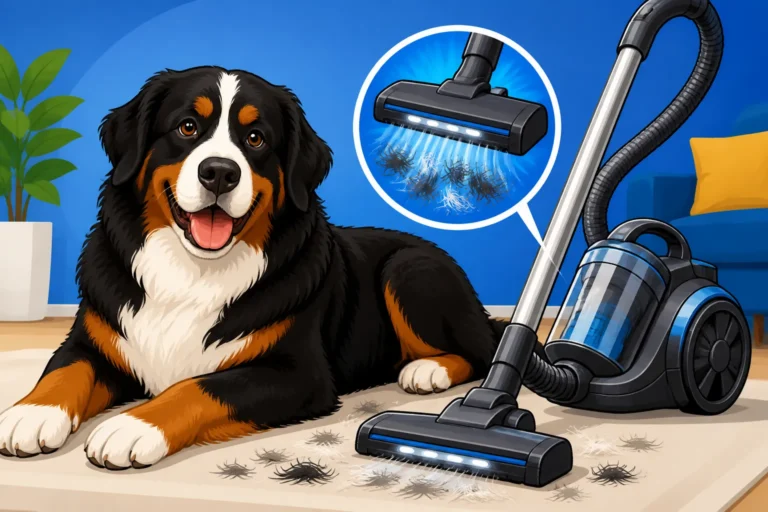
The beauty of a Bernese Mountain Dog’s coat also means a certain level of shedding. We all know that glorious hair finds its way everywhere. This means your rugs and runners will quickly accumulate fur, dust, and whatever else your Berner tracks in. Regular vacuuming is absolutely essential – think daily or every other day, especially during peak shedding seasons like How Much a Bernese Mountain Dog Sheds in a Week. Investing in a good quality vacuum designed for pet hair will make this task much easier and more effective. Over time, embedded dirt and hair can actually reduce the friction of the rug fibers, diminishing its non-slip qualities.
Beyond routine vacuuming, spot cleaning is inevitable with a large dog. Keep pet-safe stain removers on hand for those inevitable muddy paw prints or accidental spills. For deeper cleaning, follow the manufacturer's instructions for your specific rug material. Some smaller runners might be machine washable, while larger area rugs might require periodic professional cleaning to remove deep-seated grime and revitalize the fibers. Remember, a clean rug not only looks better but performs better. Keep an eye out for signs of wear and tear, like thinning spots or frayed edges. A worn-out rug can become a trip hazard itself, so don't hesitate to replace it when it's seen better days. Ollie, known for its focus on pet wellness, often provides tips on maintaining a clean and healthy home environment for pets, reinforcing the importance of keeping their living spaces clean for their overall well-being.
Holistic Approaches to Joint Health and Mobility
While providing adequate traction through runners and rugs is crucial, it’s just one component of supporting your Bernese Mountain Dog’s joint health and overall mobility. Think of it as a comprehensive wellness plan. One of the most significant factors you can control is your Berner's weight. Excess pounds put tremendous strain on their joints, exacerbating conditions like arthritis or hip dysplasia. Even just Taking Ten Pounds Off a Bernese Mountain Dog can make a world of difference in their comfort and agility. Consult your vet to establish an ideal weight range and a feeding plan to help them maintain it.
Regular, appropriate exercise is also vital. This means controlled, low-impact activities that build muscle strength without stressing joints. Think leisurely walks, swimming, or gentle play, rather than high-impact jumping or long runs. Consistent muscle strength helps support their joints. Many owners also find immense value in Joint Supplements in a Bernese Mountain Dog's Bowl. Ingredients like glucosamine, chondroitin, and omega-3 fatty acids can help support cartilage health and reduce inflammation. Start discussing these options with your vet early on, even before signs of joint issues appear. Finally, never underestimate the power of regular veterinary check-ups. Early detection of joint problems through screenings like Screening an Older Bernese Mountain Dog can lead to proactive management, preserving your Berner's mobility for as long as possible. In some advanced cases, therapies like hydrotherapy or physical rehabilitation, guided by a certified canine rehab specialist, can also work wonders in strengthening muscles and improving range of motion. By combining safe flooring with a healthy lifestyle and attentive veterinary care, you give your Bernese Mountain Dog the best chance at a long, comfortable, and mobile life.
Disclaimer
This article is for general informational purposes only and does not constitute professional advice. Laws, prices and regulations vary by location and change over time. Consult a qualified professional for guidance on your specific situation.