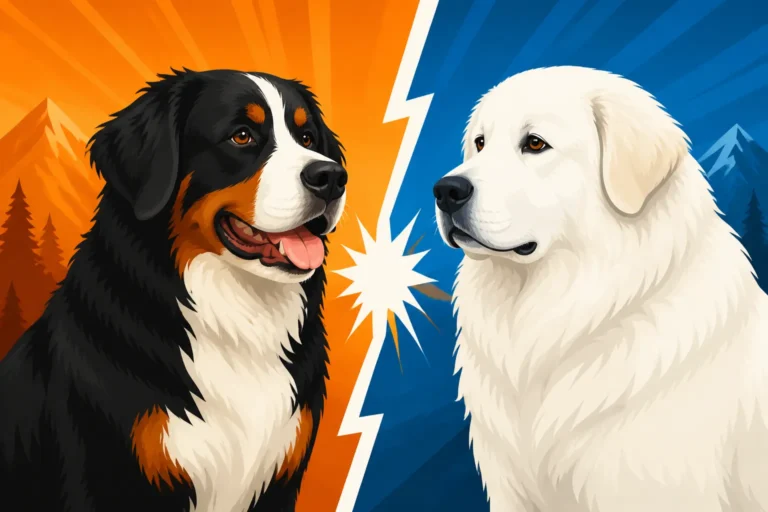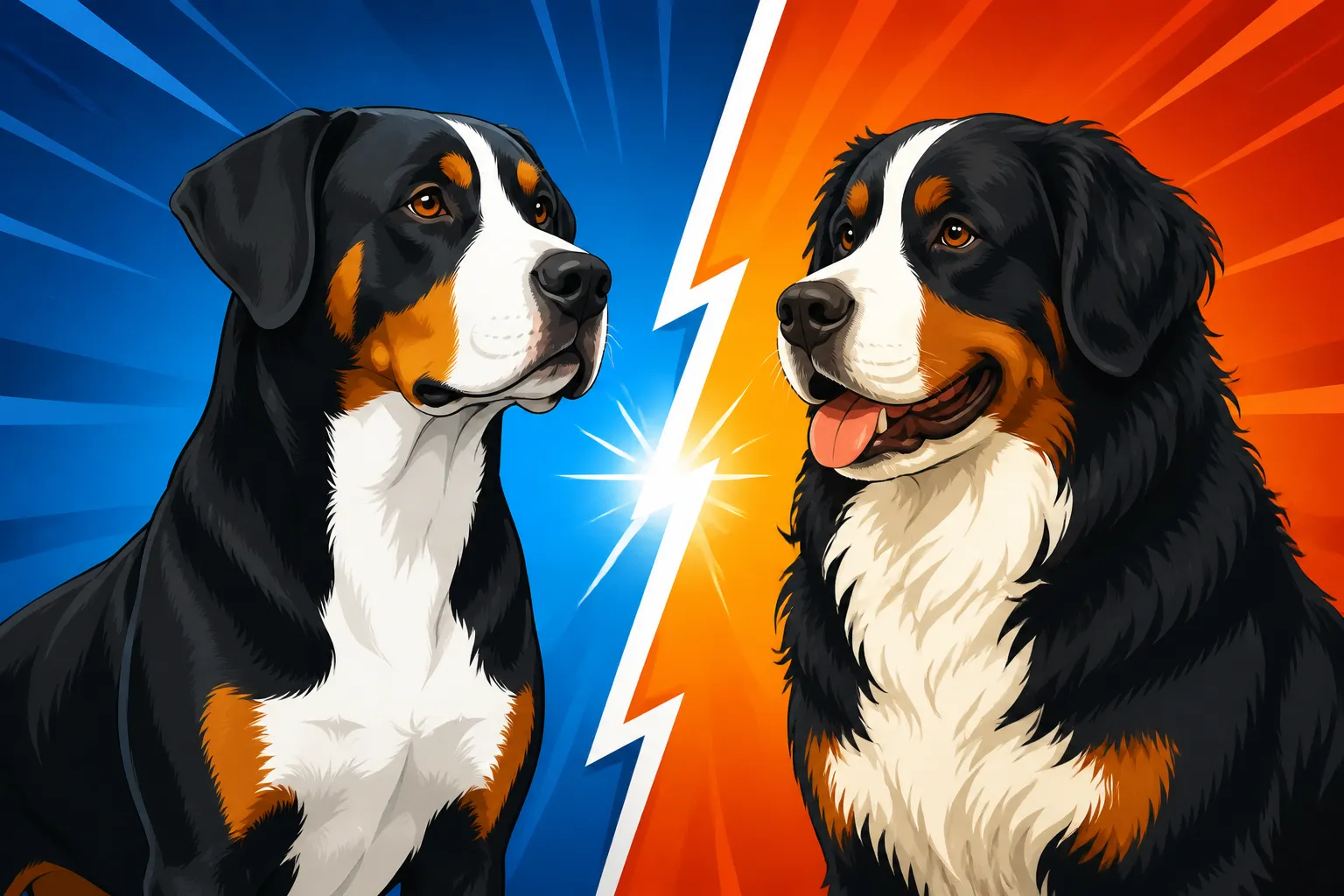
The Greater Swiss Against the Bernese Mountain Dog
It’s a common scenario: you’ve fallen head over heels for the striking appearance of a magnificent Swiss Mountain Dog, but you’re finding yourself wondering if that short-coated, slightly more imposing dog you saw at the park was a Bernese Mountain Dog or something else entirely. It’s easy to get these beautiful breeds confused, especially when both are so charming and distinctive. This guide aims to clear up that confusion, offering a deep dive into the unique characteristics of the Bernese Mountain Dog and its larger, smooth-coated cousin, the Greater Swiss Mountain Dog, so you can confidently tell them apart and decide which might be the best fit for your life.
A Shared Heritage, Different Paths
When we talk about the Bernese Mountain Dog and the Greater Swiss Mountain Dog, we're discussing two breeds that, despite their distinct appearances today, share a remarkably similar backstory rooted in the rugged landscapes of the Swiss Alps. Understanding their origins helps us appreciate their current differences.
The Swiss Roots of Both Breeds
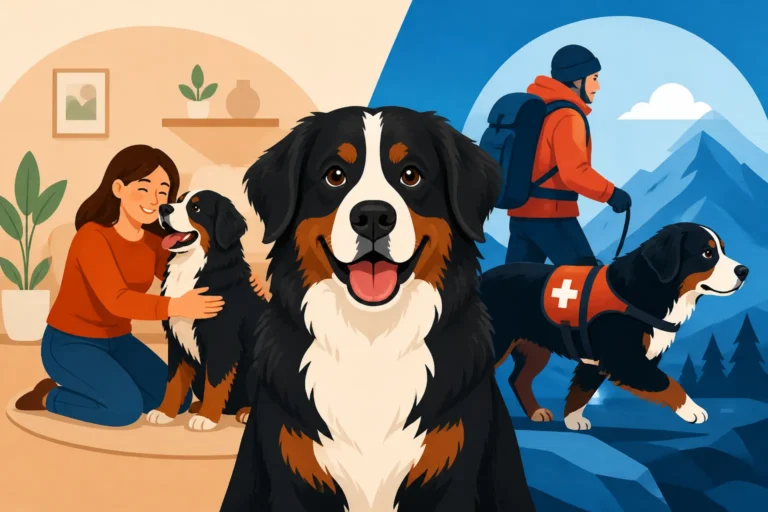
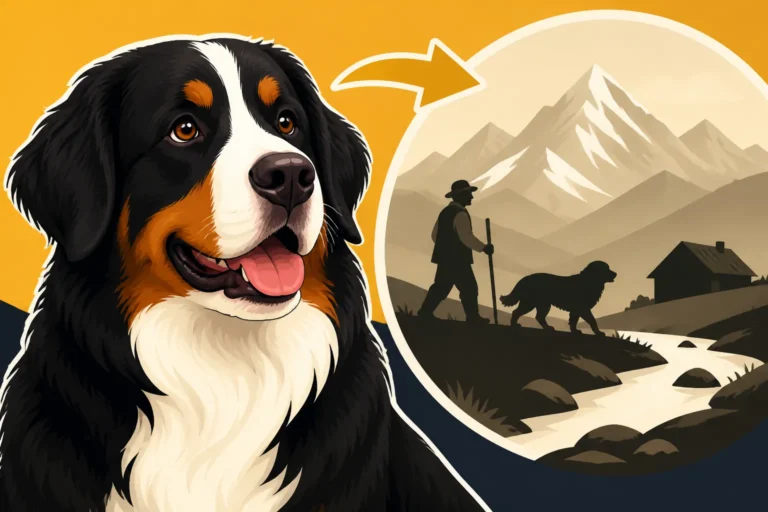
Both the Bernese and the Greater Swiss hail from the beautiful, often harsh, agricultural regions of Switzerland. They belong to a group known as "Sennenhund" breeds, which translates roughly to "alpine pasture dog." For centuries, these dogs were indispensable partners to farmers and dairymen, performing a variety of vital tasks. They served as loyal guardians, protecting livestock and property from predators and intruders. They were skilled drovers, moving cattle from pasture to pasture. And, perhaps most famously, they were powerful draft dogs, capable of pulling carts laden with milk, cheese, and other farm goods to market over challenging terrain. Imagine the strength and dedication required to haul a heavy cart up and down those mountain passes, day in and day out! These dogs were bred for resilience, intelligence, and an innate desire to work alongside their human companions, qualities that still resonate in both breeds today. Their history is one of working partnership, deeply ingrained in the culture and economy of rural Switzerland. You can learn more about their original homes in The Swiss Valley the Bernese Mountain Dog Comes From.
Divergent Breeding Histories
While their initial roles were similar, the paths these two breeds took to become the distinct dogs we know today began to diverge. The Bernese Mountain Dog, known for its long, flowing tricolor coat, was particularly popular in the Dürrbach region of Switzerland, where it was originally known as the Dürrbachler. It was almost lost to history at one point, becoming interbred with other local farm dogs. However, dedicated Swiss breeders and enthusiasts recognized its unique qualities and worked tirelessly to revitalize and standardize the breed at the turn of the 20th century. They focused on refining its temperament and maintaining its striking appearance, especially that glorious long coat.
The Greater Swiss Mountain Dog, on the other hand, was largely distinguished by its short, dense coat and often a slightly more robust build. While also a tricolor dog, its short coat was practical for its specific working environment, potentially offering easier maintenance and quicker drying times in certain conditions. Its presence was also somewhat threatened by the rise of machinery and changes in farming practices, but like the Berner, passionate individuals ensured its survival and careful development. The breeds evolved separately, with selective breeding reinforcing their unique physical and temperamental traits, leading to the clear distinctions we observe when putting the Greater Swiss against the Bernese Mountain Dog today.
Physical Distinctions: More Than Just a Coat
At first glance, it might seem like their shared tricolor markings make these breeds look almost identical. But trust me, once you know what to look for, their physical differences are quite pronounced, and it’s much more than just the length of their fur.
The Most Obvious: Coat Type and Color
This is the big one, the easiest way to tell these two magnificent dogs apart. The Bernese Mountain Dog is famous for its luxurious, long, and often slightly wavy double coat. This coat is soft, dense, and provides excellent insulation against the cold Swiss winters. It requires regular grooming to keep it free of mats and tangles, and if you live with one, you know the hair-tumbleweeds are a year-round accessory to your home! This beautiful coat is a defining feature and contributes significantly to the Berner's gentle, almost teddy-bear-like appearance.
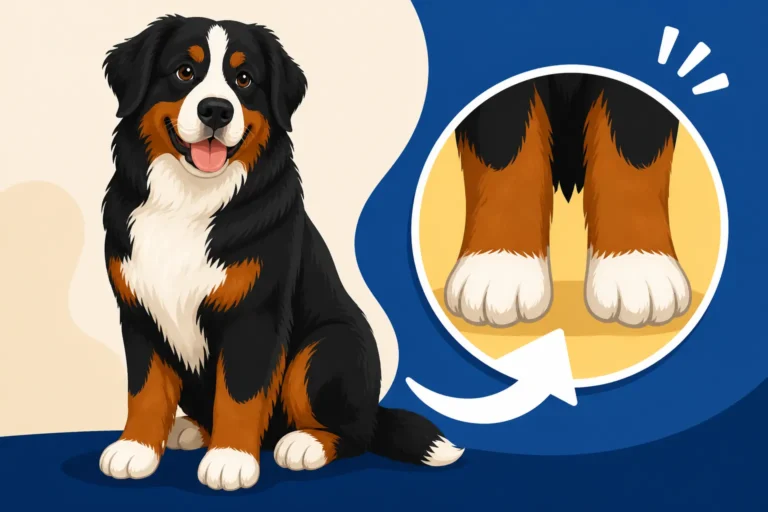
The Greater Swiss Mountain Dog, conversely, sports a short, dense, and naturally harsh double coat. It's designed for protection without the extensive length, making it less prone to picking up burrs and debris, and generally easier to keep clean. Both breeds share the iconic tricolor pattern: a jet black base with rich rust or tan markings on the cheeks, over the eyes, on the legs, and a distinctive white blaze on the face and often a white "Swiss cross" on the chest. However, the contrast between the long, flowing Bernese coat and the sleek, smooth Greater Swiss coat instantly sets them apart. If you're wondering Why Only the Bernese Mountain Dog Has a Long Coat, it really comes down to selective breeding choices made by the early breed fanciers.
Size and Build Nuances
While both breeds are undeniably large and powerful, there are subtle yet important differences in their overall build and typical size. Bernese Mountain Dogs generally stand between 23 to 27.5 inches tall at the shoulder, with males typically being larger than females. Their build is sturdy, muscular, and balanced, conveying an impression of strength combined with agility. They carry a dignified presence, often appearing a bit softer or more "rounded" in their physique due to their abundant coat.
The Greater Swiss Mountain Dog often presents a more rugged and slightly larger profile. Males can stand from 25.5 to 28.5 inches, with females slightly smaller. They are generally described as being heavier boned and more muscular than their Bernese cousins, giving them a more powerful, almost athletic appearance. Without the long coat to soften their lines, their musculature is often more apparent, and they tend to have a broader chest and head. So, while both are undeniably large, the Greater Swiss often has a more "chunky" or "hardy" look compared to the Berner's more elegant, flowing lines. For a deeper dive into Bernese sizing, check out The Twenty-Five to Twenty-Seven Inch Bernese Mountain Dog.
Facial Features and Expression
The faces of these two breeds, while both charming, also have noticeable differences. A Bernese Mountain Dog typically possesses a kind, gentle, and often soulful expression. Their eyes are usually dark brown, almond-shaped, and set to convey warmth and intelligence. Their skull is broad and flat on top, with a moderate stop and a strong, straight muzzle. The overall impression is one of benevolence and approachability, which contributes to their reputation as friendly, family-oriented dogs.
The Greater Swiss Mountain Dog, while certainly friendly, often has a more alert, watchful, and confident expression. Their eyes can be a bit more rounded and expressive, reflecting a bolder personality. Their head is generally stronger and broader, with a more pronounced stop and a robust muzzle. Without the longer fur around the face, their facial structure often appears more sharply defined. If you're comparing them side-by-side, the Berner's soft, almost mournful gaze often contrasts with the Swissy's more direct, self-assured stare. Both are beautiful, but their expressions subtly hint at their differing temperaments.
Temperament and Personality Differences
This is where the distinction between the Greater Swiss and the Bernese Mountain Dog truly shines, extending far beyond their physical attributes. While both are loyal and loving, their approach to life and their interactions with the world can be quite different.
The Bernese Mountain Dog's Gentle Nature
Ah, the Bernese Mountain Dog – often described as a "gentle giant" or a "velcro dog." This moniker is well-earned. Berners are renowned for their affectionate, calm, and often sensitive disposition. They thrive on human companionship and genuinely want to be part of every family activity, often following their people from room to room. This desire for closeness makes them wonderfully devoted family members. They are typically very patient and tolerant, which, combined with their large size, can make them excellent companions for respectful children. Their calm demeanor also means they are usually less prone to high-energy antics indoors once they mature, preferring to lounge near their loved ones.
However, this gentle nature also means they can be quite sensitive to harsh correction or an overly boisterous environment. They respond best to positive reinforcement and a calm, consistent approach to training. While generally good-natured, some Bernese can be a bit reserved or even aloof with strangers, not necessarily shy, but preferring to assess a new person before offering their full affection. This is often an admirable trait, reflecting their discerning nature rather than fear. The breed standard calls for a "self-confident and good-natured" dog, a description many Berner owners would wholeheartedly agree with. You can explore this more in Self-Confident and Good-Natured in the Bernese Mountain Dog Standard.
The Greater Swiss's Energetic and Confident Demeanor
In contrast, the Greater Swiss Mountain Dog often carries a more confident, outgoing, and sometimes boisterous personality. While equally loyal and affectionate with their families, they tend to be a bit more independent and often possess a higher energy level than the Bernese. Think of them as the more "go-go-go" sibling. They are robust, spirited, and typically very self-assured. This confidence can manifest as a bolder approach to new situations and people, though early socialization is still paramount for both breeds to ensure they grow into well-adjusted adults.
Swissies often retain more of their ancestral guarding instincts, being more vocal and watchful than many Berners. They might be more inclined to bark at perceived threats or strangers approaching the home, acting as a natural deterrent. This isn't to say they are aggressive, but they are generally more assertive in their role as a family protector. Their independence means they might be less prone to the "velcro" tendency of the Berner, content to be in the same room but not necessarily always right at your feet. Their playful nature can extend well into adulthood, and they often enjoy more vigorous games and activities.
Socialization Needs and Family Life
Both breeds benefit immensely from early and consistent socialization. Exposing a puppy to a wide variety of sights, sounds, people, and other friendly animals from a young age is crucial for their development into well-adjusted adult dogs. This is particularly true for such large, powerful breeds where good manners are not just a nicety, but a necessity for safety and harmony within the household and community.
For families with children, both breeds can be wonderful additions. Bernese Mountain Dogs are often lauded for their patience and gentleness, making them excellent companions for kids, though supervision is always essential given their size. A Berner is usually quite tolerant of the hustle and bustle that comes with family life. A Bernese Mountain Dog Around Children delves deeper into this topic. The Greater Swiss, with its more energetic and sometimes boisterous personality, might require more guidance to ensure polite interactions with small children, as they could inadvertently knock over a toddler during enthusiastic play. However, with proper training and boundaries, they are equally devoted and playful family members. When considering other pets, both breeds generally do well, especially if raised with them. The Swissy's more confident nature might mean they are quicker to assert themselves, while the Berner is often more likely to defer or be simply curious. Ultimately, individual personality within each breed plays a huge role, but these general tendencies can help guide your choice.
Health and Lifespan Considerations
Discussing the health of any giant breed can be a sensitive topic, and it's essential to approach it with realism and empathy. Both Bernese and Greater Swiss Mountain Dogs are magnificent, but like all purebreds, they come with certain predispositions that prospective owners should be aware of.
Common Ailments in Both Breeds
Due to their large size and rapid growth rates as puppies, both Bernese and Greater Swiss Mountain Dogs are susceptible to certain orthopedic conditions. Hip and elbow dysplasia are unfortunately prevalent in many large breeds, causing joint pain, lameness, and potentially arthritis later in life. Responsible breeders for both breeds rigorously screen their breeding stock for these conditions through certifications like those from the Orthopedic Foundation for Animals (OFA). Eye conditions can also affect both breeds, though specific issues may vary. Another shared concern is gastric dilatation-volvulus (GDV), more commonly known as bloat. This is a life-threatening condition where the stomach twists, trapping gas and food, and it requires immediate veterinary intervention. Owners of both breeds should be educated on the signs of bloat and know what to do in an emergency. Preparing for these potential issues means having a good relationship with your vet and understanding the importance of things like Joint Disease in a Hundred Pound Bernese Mountain Dog and Bloat in a Deep-Chested Bernese Mountain Dog.
Breed-Specific Health Concerns
While they share some general large-breed health issues, there are also conditions that tend to be more prevalent or of greater concern in one breed over the other. For the Bernese Mountain Dog, the most heartbreaking and widely recognized health concern is their high incidence of certain cancers, particularly histiocytic sarcoma. This aggressive form of cancer is a significant factor in their often-shortened lifespan. Lymphoma and mast cell tumors are also seen with distressing frequency. Finding a breeder who prioritizes longevity and screens their lines can mitigate some risk, but it remains a primary concern for Berner owners. This is why discussions around The Cancer That Kills Half of All Bernese Mountain Dogs are so vital.
The Greater Swiss Mountain Dog, while not immune to cancer, generally has a lower reported incidence of aggressive cancers like histiocytic sarcoma. However, they can be predisposed to conditions such as epilepsy, shoulder osteochondrosis (OCD), and certain eye anomalies. Splenic torsion, another form of bloat where the spleen twists, can also occur. Awareness of these specific predispositions allows owners to be vigilant and work closely with their veterinarians for early detection and management.
Lifespan Expectations
This is arguably one of the most significant differences when comparing the Greater Swiss against the Bernese Mountain Dog, and it's a topic that brings much heartache to Berner enthusiasts. Bernese Mountain Dogs, sadly, have a notoriously short average lifespan, typically ranging from 7 to 8 years. Many devoted Berner owners grapple with the painful reality that their beloved companions often leave them too soon. This is largely attributed to the high prevalence of aggressive cancers and other conditions that tend to strike earlier in life. Why a Bernese Mountain Dog Lives Only Seven or Eight Years explores this difficult reality further.
The Greater Swiss Mountain Dog generally boasts a slightly longer average lifespan, often living between 8 to 11 years, with some individuals reaching 12 or more. While still not a tremendously long-lived breed compared to some smaller dogs, this represents a noticeable difference from the Berner's average. This extended lifespan is one of the appealing factors for those drawn to the Swissy, offering more years with their beloved companion, though it's crucial to remember that individual health can vary greatly, and no dog is guaranteed a specific number of years.
Training and Exercise Requirements
Training and exercise are crucial for both breeds, not just for their physical health but also for their mental well-being and to ensure they integrate happily into your home. Given their size and strength, well-mannered dogs are a must.
Training Approaches for Each Breed
When it comes to training, understanding the inherent temperament of each breed is key. The Bernese Mountain Dog, with its sensitive and people-pleasing nature, responds exceptionally well to positive reinforcement methods. They thrive on praise, treats, and gentle guidance. Harsh corrections can easily shut down a Berner, making them reluctant to learn or causing them to become withdrawn. Consistency is important, but patience and a light touch are paramount. They can be slow to mature, often retaining a puppy-like exuberance until they are two or three years old, so don't expect instant perfection! Their intelligence is high, but their willingness to obey is often tied to their bond with you and the perceived fairness of the training. This means you’ll want to embrace a thoughtful approach, as discussed in Training a Bernese Mountain Dog Without Breaking It.
The Greater Swiss Mountain Dog, with its more confident and sometimes independent streak, also benefits from positive reinforcement but often requires a firmer, more consistent hand. They are intelligent and capable of learning quickly, but their bold nature can sometimes translate into a "what's in it for me?" attitude. They might test boundaries more frequently than a Berner, and their owners need to be prepared to establish clear rules and follow through with them. Consistency, clear communication, and making training fun and rewarding are essential to harness their spirit without stifling it. They often enjoy problem-solving and can be very engaged in training when it's presented as an exciting challenge.
Exercise Needs and Energy Levels
This is another area where the two breeds diverge significantly. The Bernese Mountain Dog, despite its history as a working dog, generally has moderate exercise requirements. They enjoy daily walks, playtime in a fenced yard, and perhaps some light hiking. They are not typically endurance athletes and can be prone to overheating due to their dense coat, especially in warmer weather. Short, consistent bursts of activity are often preferred over long, strenuous endeavors. As puppies, over-exercising can be detrimental to their developing joints, so controlled activity is crucial. Think of a Berner as happy with a good stroll and then settling down for a long snooze.
The Greater Swiss Mountain Dog, on the other hand, typically possesses a higher energy level and requires more vigorous and consistent exercise to stay happy and healthy. They were bred for endurance and strength, and this is reflected in their need for daily, robust activity. Long walks, hikes, jogging (once fully grown), and interactive play sessions are essential. They excel in activities that challenge both their bodies and minds. A bored or under-exercised Swissy can become destructive or vocal, so providing ample outlets for their energy is vital. They are generally more tolerant of warmer weather than Berners, thanks to their shorter coat, but still require common sense precautions.
Suitability for Different Activities
Both breeds share a historical aptitude for draft work, pulling carts, and both can excel in modern dog sports that tap into these instincts. Teaching a Bernese Mountain Dog to Pull a Cart is a fantastic resource if you're interested in this traditional activity. They are both powerful and enjoy having a "job" to do.
However, their differing energy levels and builds make them better suited for certain other activities. Bernese Mountain Dogs often shine in activities like therapy work, thanks to their gentle and calm nature. They can also enjoy obedience, rally, and even some scent work. While they can participate in agility, their size and joint predispositions mean jumps and tight turns should be approached with caution and within appropriate limits.
The Greater Swiss Mountain Dog, with its athleticism and higher drive, often excels in more demanding sports. They can be fantastic hiking partners, enjoying long treks. Their endurance makes them good candidates for backpacking (carrying their own gear), competitive obedience, rally, and even dryland mushing. Their confidence and problem-solving abilities also make them good candidates for search and rescue work. Because they are often less prone to heat issues than their long-coated cousins, they might also be more comfortable in warmer climates, though vigilance is always key, as discussed in Heat and the Bernese Mountain Dog's Black Coat.
What This Means for Your Home
Bringing either a Bernese Mountain Dog or a Greater Swiss Mountain Dog into your home is a huge commitment, but it’s one that promises immense rewards. Understanding the practical implications of their differences can help you prepare and ensure a harmonious life together.
Living Space and Climate Considerations
Both of these are large dogs, meaning they require adequate space. An apartment could potentially work for either, but it would require an owner extremely dedicated to daily exercise and mental stimulation, especially for the more energetic Greater Swiss. A home with a securely fenced yard is often ideal, allowing for safe outdoor play and potty breaks. Their sheer size means they need room to stretch out, turn around, and simply exist without constantly bumping into furniture or people. Orthopedic beds are a must for both breeds to support their large joints.
Climate is a more significant factor when comparing the two. The Bernese Mountain Dog's thick, long double coat, while beautiful, makes them particularly susceptible to overheating in warm or humid climates. Owners in southern states or those with hot summers must be extra vigilant, ensuring air conditioning, shade, and access to cool water. Walks during the hottest parts of the day are simply out of the question. Conversely, they absolutely revel in cold weather and snow, often thriving when temperatures drop.
The Greater Swiss Mountain Dog, with its short coat, is generally more tolerant of warmer temperatures. While no dog should be left in extreme heat, the Swissy can often handle moderate warmth better than a Berner. They still appreciate cool spaces and shade, but their grooming needs are less about insulation and more about shedding management. If you live in a perpetually warm climate and are torn between these two, the Swissy might be the more practical choice from a comfort perspective for the dog.
Grooming and Maintenance
Grooming is one of the most hands-on differences between these two breeds. The Bernese Mountain Dog's glorious coat demands regular attention. You'll be brushing them several times a week, if not daily, especially during shedding seasons, to prevent mats and remove loose undercoat. They are heavy shedder, so be prepared for dog hair on your clothes, furniture, and pretty much everywhere. Professional grooming every few months can help manage the shedding and keep their coat healthy. Baths for a Berner can be a major undertaking, given their size and coat density! You'll also need to check their ears regularly and trim their nails. Taking a look at Grooming a Bernese Mountain Dog's Long Tricolor Coat will give you a good idea of what's involved.
The Greater Swiss Mountain Dog, with its short coat, is significantly lower maintenance in terms of brushing. A weekly brush with a slicker or rubber curry comb is usually sufficient to remove loose hair and keep their coat shiny. They still shed, of course, but the hair is shorter and often less noticeable than the long Berner hair. Baths are easier and quicker due to their short fur. Nail trimming and ear checks remain important for both. When it comes to stocking up on grooming tools, quality brushes, shampoos, and nail clippers are essential for either breed, and a reliable online retailer like Chewy can be a great resource for getting all your supplies delivered right to your door.
The Financial Commitment
Owning a giant breed is never inexpensive, and both the Bernese and Greater Swiss Mountain Dogs come with significant financial considerations. Beyond the initial purchase price from a reputable breeder, expect substantial ongoing costs. Food is a big one – a large, active dog eats a lot, and high-quality large-breed specific food is crucial for their health. Veterinary care, including routine check-ups, vaccinations, parasite prevention, and unexpected emergencies, can quickly add up. Given their predispositions to joint issues and other health concerns, you should budget for potential specialty vet visits, medications, or even surgeries down the line. Pet insurance is highly recommended for either breed, given their health risks.
Then there are all the "extras": leashes, collars, beds (orthopedic ones are a must!), toys, training classes, and potentially professional grooming for the Berner. Mentioning Chewy again, they offer a vast selection of large-breed specific food, durable toys, and comfortable beds designed to support a giant dog's frame, which can help manage some of these recurring expenses. Looking at Eight Years of Bernese Mountain Dog Bills will give you a sobering, but realistic, picture of the financial journey you're embarking on. While the Greater Swiss might have a slightly longer average lifespan, both breeds present a significant and long-term financial commitment that prospective owners must be prepared for.
| Feature | Bernese Mountain Dog | Greater Swiss Mountain Dog |
|---|---|---|
| Coat Type | Long, thick, double coat, often wavy | Short, dense, harsh double coat |
| Grooming | High maintenance, frequent brushing, heavy shedding | Low maintenance, weekly brushing, moderate shedding |
| Average Lifespan | 7-8 years (often shorter due to cancer) | 8-11 years (generally longer than Berner) |
| Typical Temperament | Gentle, affectionate, sensitive, "velcro dog," reserved with strangers | Confident, outgoing, energetic, boisterous, more vocal |
| Exercise Needs | Moderate; prone to overheating | High; requires vigorous, consistent activity |
| Build/Appearance | Sturdy, muscular, balanced; softer appearance due to coat | Heavily boned, muscular; more rugged/athletic appearance |
| Climate Suitability | Prefers cold weather, susceptible to heatstroke | More tolerant of warmth, but still needs caution |
| Common Health Concerns | High cancer risk (histiocytic sarcoma), hip/elbow dysplasia, bloat | Hip/elbow dysplasia, bloat, epilepsy, shoulder OCD |
Disclaimer
This article is for general informational purposes only and does not constitute professional advice. Laws, prices and regulations vary by location and change over time. Consult a qualified professional for guidance on your specific situation.