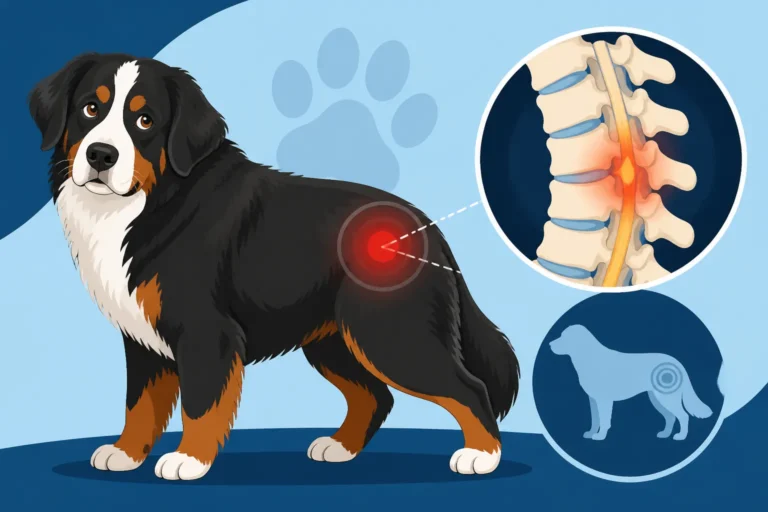
The Weeks Left After a Bernese Mountain Dog’s Diagnosis
Hearing the words "your Bernese Mountain Dog has cancer" is one of the most gut-wrenching moments any Berner parent can face. It plunges you into a world of fear, uncertainty, and a desperate search for answers, the most immediate and painful being: "How much time do we have left?" This guide is here to walk you through the difficult realities of a Bernese Mountain Dog's prognosis after a cancer diagnosis, helping you understand what factors influence their remaining time and how to make the most of every precious moment.
Understanding the Stark Reality of a Bernese Mountain Dog Cancer Diagnosis
Bernese Mountain Dogs, as beautiful and sweet-natured as they are, unfortunately, carry a significant genetic predisposition to certain aggressive cancers. It’s a heartbreaking truth that many Berner families face, and it often feels incredibly unfair. You bring home this majestic, loving creature, and all too soon, you're confronted with a diagnosis that can dramatically shorten their already too-brief lives. While the average lifespan of a Bernese Mountain Dog is already shorter than many breeds, often around seven or eight years, a cancer diagnosis can make that window feel impossibly small.
The most common culprit, and one that strikes fear into the hearts of many Berner owners, is Histiocytic Sarcoma in a Bernese Mountain Dog. This aggressive cancer is particularly prevalent in the breed, often appearing quickly and spreading rapidly. But it's not the only type; Berners can also be affected by lymphoma, mast cell tumors, osteosarcoma, and other malignancies. Each type presents its own set of challenges, symptoms, and, most critically, a different potential timeline. It's why getting a precise diagnosis from your veterinary oncologist is the absolute first step, no matter how hard it is to hear.
When you receive that diagnosis, it's natural to feel overwhelmed. Many owners describe a sense of shock, disbelief, and profound sadness. You might replay every little symptom you dismissed, wondering if you could have caught it sooner. Please know that these feelings are valid. Berners are stoic dogs and can often hide discomfort until a disease is quite advanced. This isn't your fault; it's just part of the challenging journey of having a giant breed susceptible to these conditions.
Factors Influencing Your Bernese Mountain Dog's Prognosis
The question of "how long" is complex, and there's no single answer that applies to every Bernese Mountain Dog with cancer. The prognosis hinges on several critical factors, creating a unique situation for each dog and family.
Type and Aggressiveness of Cancer
As mentioned, Berners are prone to various cancers, and each comes with its own typical prognosis.
- Histiocytic Sarcoma (HS): This is the one that truly defines the breed's cancer challenge, with The One in Four Bernese Mountain Dogs With Histiocytic Sarcoma statistics showing its grim prevalence. HS can manifest in various forms, including localized (often affecting a limb, joint, or organ) or disseminated (spreading rapidly throughout the body). The latter, particularly, has a very poor prognosis, often measured in weeks to a few months even with aggressive treatment. If it's a rapidly progressing form, like what's described in How Fast Histiocytic Sarcoma Moves in a Bernese Mountain Dog, the time frame can be incredibly short.
- Lymphoma: While still serious, lymphoma can sometimes have a more favorable prognosis than HS, especially with specific chemotherapy protocols. Depending on the type (B-cell or T-cell) and stage, dogs might live for several months to over a year, though it is rarely cured.
- Osteosarcoma (Bone Cancer): This aggressive bone cancer is common in large breeds. Prognosis is generally poor, often 3-6 months, even with amputation and chemotherapy, due to its tendency to metastasize rapidly to the lungs.
- Mast Cell Tumors: These can range from low-grade and easily curable with surgery to high-grade and highly aggressive, with a prognosis of months. Location and grade are key determinants.
Understanding the specific type of cancer your Berner has is paramount. Your vet will usually perform biopsies, imaging (X-rays, ultrasounds, CT scans), and sometimes aspirates to determine the exact diagnosis and stage.
Stage of Cancer at Diagnosis
Just like in humans, the stage of cancer significantly impacts prognosis.
- Localized vs. Metastatic: If the cancer is caught early and is confined to one area (localized), the chances of successful treatment and a longer survival time are much higher. For example, a small, low-grade mast cell tumor removed completely with wide margins might offer a good long-term prognosis. However, if the cancer has already spread to other organs (metastasized), the prognosis is generally much poorer, as it indicates a more advanced and aggressive disease. For a Berner with What Histiocytic Sarcoma Does Inside a Bernese Mountain Dog, finding it when it's already widespread in the lungs, spleen, or lymph nodes changes everything.
- Tumor Size and Location: Larger tumors, especially those in critical areas (like a joint, vital organ, or spinal cord), can be more challenging to treat and may already be causing significant discomfort or impairing function. A tumor in an easily accessible location might be removed surgically, potentially extending life significantly more than one deeply embedded in an organ.
Overall Health and Age of Your Bernese Mountain Dog
Your Berner's general health, beyond the cancer itself, plays a huge role.
- Pre-existing Conditions: Does your Bernese Mountain Dog have other health issues like severe arthritis, heart disease, or kidney problems? These can complicate cancer treatment, as aggressive chemotherapy or surgery might be too taxing on their system.
- Age: While cancer can strike at any age, older Berners might have a harder time bouncing back from intensive treatments. Their immune systems might be weaker, and recovery from surgery can be slower. However, age alone isn't always the deciding factor. A vibrant, otherwise healthy eight-year-old Berner might be a better candidate for treatment than a sickly five-year-old.
- Temperament: A dog's spirit and willingness to fight can also make a difference. Some dogs tolerate treatments better than others, which directly impacts their quality of life during therapy.
Here's a simplified table outlining typical prognoses for common Bernese Mountain Dog cancers. Remember, these are averages and individual outcomes can vary wildly.
| Cancer Type | Typical Prognosis (Without Treatment) | Typical Prognosis (With Treatment) | Key Factors Influencing Prognosis |
|---|---|---|---|
| Histiocytic Sarcoma | Weeks to 1-2 months | Localized: 3-6 months; Disseminated: Weeks to 2-4 months | Location, Stage, Aggressiveness |
| Lymphoma (High-Grade) | 4-6 weeks | 6-12 months (remission duration varies) | Immunophenotype (B-cell/T-cell), Stage, Response to Chemo |
| Osteosarcoma | 1-3 months | Amputation + Chemo: 6-12 months (often less for large breeds) | Presence of Metastasis, Location of Tumor |
| Mast Cell Tumor | Varies: Weeks to years | Low-Grade: Excellent with surgery; High-Grade: 4-12 months with surgery + chemo | Tumor Grade, Location, Completeness of Surgical Removal |
Navigating Treatment Options and Quality of Life Decisions
Once you have a clear diagnosis, the hard conversations begin about treatment. For many Bernese Mountain Dog owners, this is where the financial and emotional toll becomes immense. You want to do everything you can, but you also have to consider your dog's quality of life and your own resources. For guidance on potential costs, you might want to read What Oncology Bills Reach for a Bernese Mountain Dog.
Aggressive Treatment Options and Their Impact
- Surgery: If the tumor is localized and removable, surgery can offer the best chance for extending life, sometimes significantly. For example, if your Berner has a lump that needs removing and it turns out to be a low-grade mast cell tumor, surgical removal might be curative. However, surgery on a large breed like a Berner can be extensive, require considerable recovery time, and sometimes still won't remove all cancer cells or prevent recurrence. For bone cancers, Whether Amputation Buys a Bernese Mountain Dog Time is a question many owners grapple with, often adding months but not a cure.
- Chemotherapy: Often used in conjunction with surgery or for systemic cancers like lymphoma or disseminated histiocytic sarcoma. Whether Chemotherapy Helps a Bernese Mountain Dog depends heavily on the type of cancer and the dog's individual response. Chemotherapy aims to kill cancer cells, but it also impacts healthy cells, leading to side effects like nausea, lethargy, or decreased appetite. While many dogs tolerate chemo better than humans, maintaining their quality of life during treatment is crucial. Some newer targeted therapies are also emerging, offering hope with potentially fewer side effects.
- Radiation Therapy: Used primarily for localized tumors that are difficult to remove surgically or for pain management (e.g., bone cancer). It can shrink tumors and reduce discomfort, but requires multiple anesthetic events and is usually only available at specialized oncology centers.
The goal of aggressive treatment is often to achieve remission, slow progression, and extend life while maintaining a good quality of life. This balance is key. If treatment makes your Berner miserable, the added time may not be worth the suffering. This is where pet insurance, like plans from Healthy Paws, can be an absolute lifesaver, helping to cover the often exorbitant costs of these advanced treatments and allowing you to make decisions based on your dog's needs, not just your wallet.
Palliative Care and Comfort
Sometimes, aggressive treatment isn't an option, or it's simply not what you want for your beloved companion. In these cases, shifting focus entirely to palliative care becomes the most compassionate choice. Palliative care is about managing pain, discomfort, and symptoms to ensure your Bernese Mountain Dog enjoys the best possible quality of life for the time they have left, however short that may be.
This can involve:
- Pain Management: This is paramount. Strong pain medications, anti-inflammatory drugs, and sometimes even nerve blocks can significantly improve comfort. Your vet can guide you on combinations and dosages.
- Appetite Stimulation: Many cancer patients lose their appetite. Offering highly palatable foods, appetite stimulants, or even anti-nausea medications can help keep them eating and maintaining strength.
- Mobility Support: If tumors are affecting movement, aids like supportive harnesses, ramps, or orthopedic beds can make a huge difference. For more insights, refer to Palliative Care for a Bernese Mountain Dog.
- Nutritional Support: Working with your vet on a supportive diet can help maintain muscle mass and energy levels.
Choosing palliative care isn't "giving up"; it's a conscious, loving decision to prioritize comfort and dignity. It means accepting that you might only have weeks or a few months, and dedicating that time to making them as happy and comfortable as possible. This approach often allows families to create cherished memories without the stress and side effects of aggressive treatments.
Supporting Your Bernese Mountain Dog Through Their Final Weeks or Months
Once you have an understanding of the potential timeline, the focus shifts to making every day count. This period, whether it's weeks or a few months, is incredibly precious.
Creating a Comfortable and Happy Environment
Your Berner relies on you for comfort and security. During their final weeks, doubling down on what makes them happy is essential.
- Routine and Familiarity: Keep their routine as consistent as possible. Berners thrive on predictability.
- Cozy Spaces: Ensure they have soft, comfortable places to rest, away from drafts or excessive noise. An orthopedic bed can be a game-changer for older or ailing dogs.
- Gentle Exercise: If they're still mobile, short, gentle walks or simply time in the yard can be beneficial, but don't push them. Follow their lead.
- Favorite Things: Offer their favorite treats, toys, or even just extra cuddles on the couch. Sometimes, the simplest things bring the most joy.
Remember that their ability to enjoy life is the ultimate measure. If they still greet you with a wagging tail, enjoy their food, and seek out your company, you're doing well.
Monitoring Quality of Life
This is perhaps the hardest part. You need to be vigilant in monitoring your Bernese Mountain Dog's quality of life. It’s easy to get caught up in hope or denial, but an honest assessment is critical.
Look for changes in:
- Appetite and Hydration: Are they eating and drinking enough?
- Pain Levels: Are they showing signs of discomfort even with medication (e.g., restlessness, panting, reluctance to move, guarding a body part)?
- Mobility: Are they struggling more to get up, walk, or go to the bathroom?
- Joy and Engagement: Are they still interested in their favorite activities, interacting with the family, or do they seem withdrawn and unhappy?
- Hygiene: Are they able to keep themselves clean? Incontinence can be a difficult challenge.
It's helpful to keep a journal of these observations. Share these notes with your veterinarian regularly. They can help you assess their quality of life objectively and adjust pain management or other supportive care as needed. Many vets use quality of life scales to help families make these difficult decisions.
Making the Toughest Decision
The decision of Deciding When to Stop Treating a Bernese Mountain Dog or when to say goodbye is agonizing. There's no right or wrong answer, and it's intensely personal. The goal is to prevent suffering. It’s better to say goodbye a day too early than an hour too late. This is a topic that weighs heavily on every Berner owner's heart, especially with a breed prone to these short lifespans and aggressive diseases. Knowing when it's time to consider Saying Goodbye to a Bernese Mountain Dog at Seven or any age is a profound act of love.
Talk openly with your family and your vet. They can help you understand when the bad days start to outnumber the good, and when their quality of life has diminished beyond what you can comfortably manage. Support groups and pet bereavement resources can also offer solace during this incredibly difficult time. Remember, your Healthy Paws insurance might even offer some coverage for end-of-life care, alleviating one small part of the burden during such a painful period.
No matter how much time you have left with your Bernese Mountain Dog after a cancer diagnosis, focus on love, comfort, and creating lasting memories. Every single day is a gift.
Disclaimer
This guide provides general information and insights into the prognosis following a Bernese Mountain Dog's cancer diagnosis. It is not a substitute for professional veterinary advice. Always consult with a qualified veterinarian or veterinary oncologist for accurate diagnosis, treatment plans, and personalized advice for your specific pet's condition.