The Height a Bernese Mountain Dog Should Not Jump From
It’s a sight that warms any Berner owner's heart: your big, beautiful Bernese Mountain Dog bounding with joy, leaping effortlessly over a fallen log, or enthusiastically jumping to greet you. But beneath that momentary delight, a flicker of worry often crosses our minds. We know these magnificent dogs are prone to joint issues, and the thought of them landing awkwardly from a jump can send shivers down our spine. This guide is here to shed light on the realities of jumping for Berners, helping you understand the risks and how to protect their precious joints.
The Unique Vulnerability of a Bernese Mountain Dog's Structure
Bernese Mountain Dogs are undeniably majestic, but their rapid growth rate and substantial size, often weighing between 80 to 120 pounds, come with a built-in vulnerability. Their skeletal structure, while robust, is not designed for repeated high-impact activities like jumping from significant heights. It's a fundamental difference from smaller, more agile breeds, and understanding this is the first step in protecting your furry friend.
The Critical Period of Puppyhood and Growth Plate Risks
When your Bernese Mountain Dog is a puppy, their bones are still developing, and this is a particularly sensitive time. Instead of fully ossified bone, puppies have what are called "growth plates" at the ends of their long bones. These are areas of cartilage where new bone is formed, allowing the bones to lengthen. They don't fully close and harden until a Berner is typically 18 to 24 months old, sometimes even later for larger individuals.
During this crucial period, high-impact activities, especially jumping from heights, can easily damage these delicate growth plates. A fracture or injury to a growth plate can lead to abnormal bone development, causing lifelong lameness, angular limb deformities, or an increased risk of arthritis down the line. Imagine a young sapling trying to grow straight after being bent and twisted; it might never quite recover its perfect form. This is why strict exercise management and avoiding jumping during puppyhood are paramount. You can learn more about What Fast Growth Costs a Bernese Mountain Dog's Joints and why controlled activity is so important.
Predisposition to Joint Diseases
It's no secret that Bernese Mountain Dogs are genetically predisposed to certain orthopedic conditions, primarily hip and elbow dysplasia. These are complex conditions where the joints don't develop properly, leading to looseness, pain, and eventually degenerative joint disease like arthritis.
Even with excellent breeding and clearances, the sheer size and weight of a Bernese Mountain Dog mean their joints are under constant stress. Every step, every twist, and especially every landing from a jump, puts immense pressure on these already susceptible areas. If a dog has even mild dysplasia, a hard landing can accelerate the wear and tear, exacerbating the condition significantly. We often talk about Joint Disease in a Hundred Pound Bernese Mountain Dog because it's such a common concern, and a significant contributor to The Bernese Mountain Dog Whose Back Legs Give Out. The integrity of their hips, in particular, is a major concern as Hips That Fail Under a Bernese Mountain Dog's Weight can drastically impact their mobility and quality of life.
The Impact of Weight on Joints
Let's be frank: a hundred-pound dog landing from a jump generates a lot of force. Imagine dropping a 100-pound bag of potatoes from a height – the impact is considerable. Now imagine that impact being absorbed by delicate cartilage and bone in your dog's joints, repeatedly. This is the reality for Berners.
Their substantial body mass, which is part of their charm and imposing presence, becomes a liability when gravity enters the equation through jumping. While a smaller dog might absorb the shock of a jump with relative ease, the same height for a Bernese Mountain Dog means a significantly greater load on their elbows, shoulders, hips, and knees. This cumulative stress contributes heavily to the development of painful conditions like Arthritis in a Bernese Mountain Dog by Six, often much earlier than in smaller breeds. Understanding that Every Pound a Bernese Mountain Dog's Hips Carry adds to the impact stress really helps put this into perspective.
Defining the "Forbidden" Heights for Bernese Mountain Dogs
It's frustrating when you're looking for a simple answer to a complex question like "what height is too high?" Unfortunately, there isn't a universally agreed-upon numerical height that instantly becomes "unsafe" for all Bernese Mountain Dogs. This is because individual factors like age, existing joint health, muscle condition, and even the surface they land on all play a role. However, we can establish some very clear guidelines and scenarios that pose significant risks.
The "No-Jump Zone" and Critical Heights
For puppies under 18-24 months, the general rule of thumb is to avoid any forced jumping, especially from significant heights. This means discouraging them from jumping off furniture, out of cars, or going up and down stairs frequently. Think about "the five-minute rule" for exercise, which is equally applicable to protecting growth plates from jumping strain.
For adult Bernese Mountain Dogs, the critical height isn't a fixed number but rather anything that causes a hard landing or an uncontrolled descent. This includes:
- Jumping from a truck bed or high SUV tailgate: This is a major culprit for shoulder, elbow, and knee injuries. Even if they clear the jump, the impact of hitting the ground from such a height is jarring for their large frame.
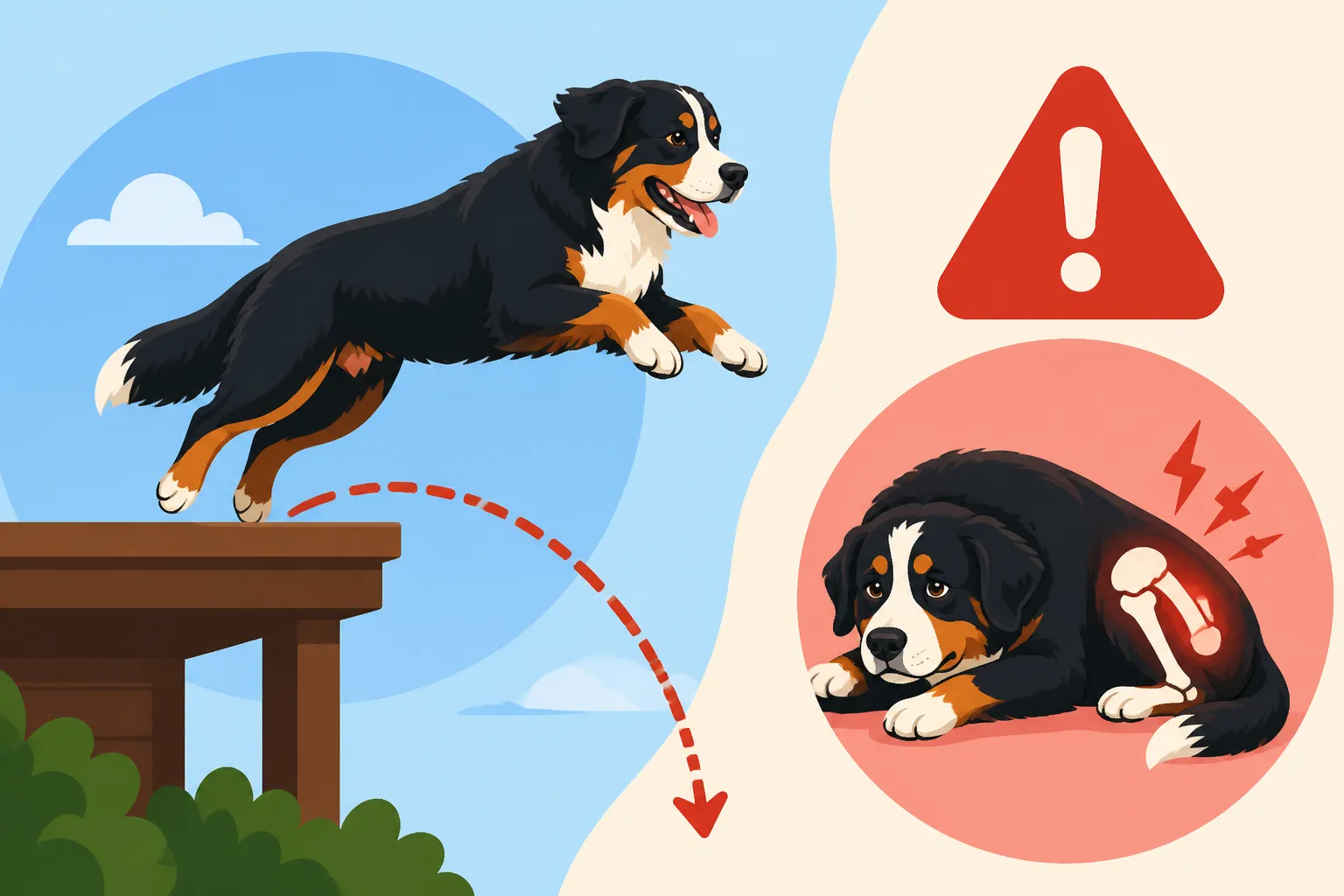
- Leaping off high decks or porches: Similar to vehicles, the drop can be substantial, leading to excessive force on their joints.
- Consistently jumping off tall furniture (beds, couches): While seemingly minor, repeated impacts can add up over time, contributing to wear and tear.
- Jumping out of windows (even low ones): Not only can this cause falls, but the angle and landing are rarely controlled.
- Repeated, uncontrolled jumping over obstacles in competitive sports (e.g., agility): While Berners can enjoy some sports, high-impact jumps in agility are generally not recommended for the breed due to their structure and joint predispositions.
As a general guideline, any jump where the dog's body experiences a significant drop (more than a few inches) and a noticeable jolt upon landing should be avoided. For a Berner, this could even be as little as 12-18 inches if the landing is awkward or on a hard surface. The key is controlled movement and minimizing impact.
Everyday Scenarios and How to Mitigate Risk
Many of the dangerous jumps aren't in a competition ring but happen in our daily lives.
- Getting In and Out of Vehicles: This is probably the biggest offender. Whether it's a sedan, an SUV, or a truck, the height can be too much. The solution is simple: a sturdy dog ramp or steps. Invest in a good quality ramp that provides secure footing and doesn't wobble. Even if your Berner can jump out, training them to use a ramp or lifting them is a preventative measure that pays dividends in the long run. We know Lifting a Hundred Pounds of Bernese Mountain Dog isn't easy, but it's often safer.
- Furniture Hopping: Many Berners love to snuggle on the couch or bed. While the joy of having them close is wonderful, jumping off can be hard on their joints. Consider dog steps or a low-profile dog bed right next to your furniture as an alternative. Encouraging them to "off" gently rather than leaping is key.
- Stairs: While not technically jumping, repetitive stair climbing, especially descending rapidly, can also stress joints. For puppies, restrict stair access entirely if possible. For adults, encourage a slow, controlled pace. If you live in a multi-story home, this might be a situation where you train your dog to wait or use a ramp if they have mobility issues later in life.
- Rough Play: While healthy play is important, avoid games that involve excessive twisting, sudden stops, or high vertical jumps, especially on slippery surfaces. Fetch is great, but try to keep it on soft ground and avoid throwing the ball straight up.
Remember, prevention is always better than cure. Veterinary bills for joint surgeries like Cruciate Surgery on a Hundred Pound Bernese Mountain Dog can be astronomical, easily running into thousands of dollars. Having robust pet insurance, like a comprehensive plan from Healthy Paws, can be a lifesaver in these scenarios, covering a significant portion of unexpected accident and illness costs. It's a pragmatic way to plan for the unexpected.
Here’s a quick overview of common jumping scenarios and their associated risks:
| Scenario | Height Range (Approximate) | Risk Level for Berners | Recommended Action |
|---|---|---|---|
| Off a high truck bed/SUV tailgate | 25-35+ inches | High | ALWAYS use a ramp or specialized dog steps. Lift if possible for smaller dogs. |
| Off a deck/porch | 12-24 inches | Medium-High | Encourage walking down steps. Consider a ramp for frequent use or older dogs. |
| Off a couch/bed | 15-25 inches | Medium | Train "off" command gently. Use dog steps/ramp. Provide orthopedic dog bed nearby. |
| Over small obstacles (e.g., logs) | 6-12 inches | Low-Medium | Supervise closely. Ensure soft landing. Discourage repetitive high-impact jumps. |
| On/Off stairs (down) | Varies | Medium | Encourage slow descent. Restrict for puppies. Use baby gates if needed. |
| Vertical jumps (e.g., for ball) | Varies | Medium-High | Avoid high vertical jumps. Keep play low-impact. |
The Long-Term Consequences of High-Impact Jumping
The effects of uncontrolled jumping aren't always immediate. Sometimes, an acute injury happens—a sudden yelp, a limp, and an emergency vet visit for a sprain, strain, or even a fracture. However, more often, it's the cumulative damage that slowly, insidiously takes its toll, leading to a diminished quality of life for your beloved Berner.
Accelerated Degeneration and Early Arthritis
Every time a Bernese Mountain Dog lands hard from a jump, it creates microtrauma in their joints. This repeated stress wears down the protective cartilage that cushions the bones. Over months and years, this accelerated degeneration can lead to the early onset or worsening of osteoarthritis. This isn't just about aging; it's about preventable damage.
Arthritis manifests as pain, stiffness, reluctance to move, and a visible decrease in activity levels. Your once-spry Berner might struggle to get up after resting, show lameness after exercise, or avoid stairs. Managing arthritis can become a significant part of your dog's care regimen, involving pain medications, anti-inflammatories, and physical therapy. This is where early intervention, including joint supplements like those mentioned in Starting a Bernese Mountain Dog on Joint Medication Young, can be crucial. These treatments can be ongoing and costly, making robust pet insurance from Healthy Paws a valuable asset to help manage the financial burden of chronic conditions.
Acute Injuries: Cruciate Tears, Sprains, and More
Beyond long-term degeneration, high-impact jumping is a direct cause of acute injuries. A common and devastating injury in large breeds like Berners is a torn cranial cruciate ligament (CCL), often compared to an ACL tear in humans. This happens when the ligament stabilizing the knee joint ruptures, often due to an awkward landing or a sudden twist during a jump. The recovery from a CCL tear almost always involves expensive surgery and a long, difficult rehabilitation period. Cruciate Surgery on a Hundred Pound Bernese Mountain Dog is a procedure many owners unfortunately face.
Other acute injuries can include:
- Sprains and strains: Affecting muscles and ligaments in the legs, shoulders, or back.
- Bone bruises or fractures: While less common from typical jumping, a severe fall or landing could cause this.
- Spinal issues: The impact can also affect their spine, potentially leading to disc problems, especially as they age.
These incidents are not only painful for your dog but also incredibly stressful and financially taxing for you. Being prepared for these emergencies with a good pet insurance plan from Healthy Paws can alleviate some of that stress, allowing you to focus on your dog's recovery without the added worry of prohibitive costs.
Impact on Overall Quality of Life
Ultimately, recurrent pain and mobility issues stemming from joint damage profoundly affect your Bernese Mountain Dog's quality of life. A dog in constant discomfort can become withdrawn, irritable, or even aggressive. They might lose interest in walks, play, or interaction, which are vital for their mental and physical well-being.
Watching your once-joyful Berner struggle with basic movements is heartbreaking. Our goal as owners is to ensure they live their lives to the fullest, and that includes being able to move comfortably. Protecting their joints by minimizing risky jumps isn't just about preventing vet bills; it's about preserving their happiness and longevity, giving them the best chance to enjoy their (all too short) time with us.
Practical Strategies for Protecting Your Berner's Joints
Knowing the risks is one thing, but actively implementing strategies to protect your Bernese Mountain Dog's joints is where you can make a real difference. It requires a mindful approach to their daily life, from training to environmental adjustments, and always being proactive with their health.
Smart Training and Management Techniques
Training plays a huge role in preventing jumping injuries. It’s not about stifling their natural exuberance, but about channeling it safely and teaching them alternative, less impactful behaviors.
- Ramp Training: Start early with ramp training for getting into and out of vehicles. Make it a positive experience with treats and praise. Many dogs are initially hesitant, but patience pays off. Even if they can jump into your car, the controlled movement of a ramp is far superior for their joints.
- "Off" Command: Teach a strong "off" command to gently get them off furniture rather than letting them leap down. Reward them for placing all four paws on the floor calmly. This also ties into Stopping a Bernese Mountain Dog Jumping Up on people, which is another common cause of uncontrolled impact on their joints and yours!
- Controlled Play: Encourage games like "hide and seek" or tracking exercises that engage their minds and bodies without high-impact jumps. If playing fetch, keep the throws low and on soft surfaces. Avoid sudden changes in direction during play.
- Leash Manners: Good leash manners help prevent sudden lunges and uncontrolled jumps on walks, especially if they see a squirrel or another dog. A well-trained Berner is less likely to put themselves in risky situations. Consider reading Training a Bernese Mountain Dog Without Breaking It for more insights on their sensitive nature.
Creating a Supportive Home Environment
Your home environment can be a major factor in joint health. Small changes can make a big difference for a large breed dog.
- Orthopedic Beds: Invest in high-quality orthopedic dog beds. These provide superior support for their heavy bodies and alleviate pressure on their joints during rest. Look for beds with dense, supportive foam that won't flatten easily.
- Non-Slip Flooring: Slippery floors (hardwood, tile) can be treacherous for Berners, especially puppies and older dogs with compromised joints. They can slip, splay their legs, and injure themselves, or simply struggle to gain traction, which stresses their muscles and joints. Consider runners, area rugs, or anti-slip mats in high-traffic areas.
- Stairs and Ramps: As mentioned, use baby gates to block off stairs for puppies. For adult dogs who use stairs, ensure they have good traction. Consider a custom ramp if stairs are a major part of your home and your dog is showing signs of discomfort or aging.
- Outdoor Safety: Ensure your yard is safe, free from hazards they might jump over or into. Provide shaded areas for rest, especially in warmer climates, as Heat Stroke in a Bernese Mountain Dog is a serious concern.
Proactive Veterinary Care and Supplements
Regular veterinary check-ups are paramount, especially as your Bernese Mountain Dog ages. Your vet can monitor their joint health, assess their gait, and recommend appropriate interventions.
- Regular Check-ups: These allow your vet to catch early signs of joint issues, discuss weight management (excess weight adds significant strain), and recommend preventative measures.
- Joint Supplements: Many Berner owners find success with joint supplements containing ingredients like glucosamine, chondroitin, MSM, and omega-3 fatty acids. While not a cure-all, they can support joint cartilage and reduce inflammation. Your vet can advise on the best type and dosage for your individual dog.
- Physical Therapy: If your Berner does develop joint issues, physical therapy, including hydrotherapy or therapeutic exercises, can significantly improve mobility and comfort.
- Pain Management: For dogs with diagnosed arthritis or other painful joint conditions, your vet can prescribe pain medication or anti-inflammatory drugs to manage discomfort and improve their quality of life.
The cost of managing chronic joint conditions, diagnostic imaging, and potential surgeries can be substantial. This is where pet insurance providers like Healthy Paws truly demonstrate their value. Their comprehensive coverage for accidents and illnesses can provide peace of mind, allowing you to prioritize the best possible care for your Bernese Mountain Dog without financial strain becoming an obstacle. Proactive health management and having a safety net like insurance are two of the best gifts you can give your Berner.
Disclaimer
The information provided in this article is for general informational purposes only and is not a substitute for professional veterinary advice. Always consult with a qualified veterinarian regarding your Bernese Mountain Dog's specific health conditions, exercise needs, and any concerns you may have.