What Von Willebrand Disease Means for a Bernese Mountain Dog
Discovering that your beloved Bernese Mountain Dog might have a bleeding disorder is a truly frightening prospect. The thought of a minor injury turning into a life-threatening emergency, or the anxiety of a routine surgery, can keep any Berner owner up at night. This guide aims to demystify Von Willebrand Disease, a common genetic condition in our big, fluffy companions, helping you understand what it means for your dog and how you can best manage it.
Understanding Von Willebrand Disease in Bernese Mountain Dogs
When you first hear "bleeding disorder," it's natural for your mind to jump to the worst-case scenarios. But with Von Willebrand Disease (vWD), especially the type most commonly found in Bernese Mountain Dogs, understanding the specifics can go a long way in managing your dog's health and easing your worries. It's a condition that affects how their blood clots, which is a crucial process for stopping bleeding after an injury.
What is Von Willebrand Disease (vWD)?
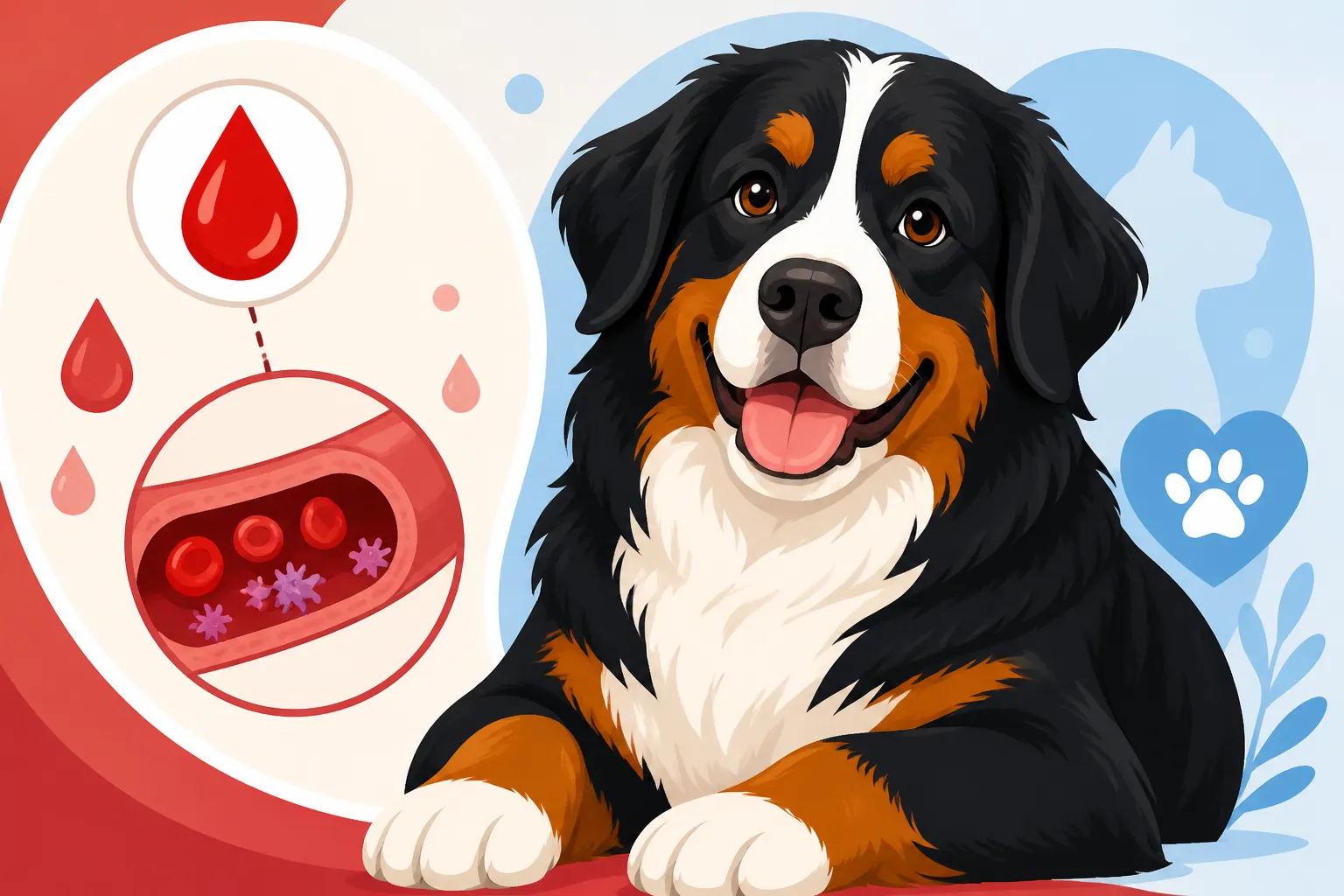
At its core, Von Willebrand Disease is a genetic disorder that impacts the blood's ability to form clots. Think of blood clotting as a complex dance where many different factors need to come together in the right sequence. One of the most important players in this dance is a protein called von Willebrand factor, or vWF. This protein has a couple of key jobs: it acts like glue, helping platelets (tiny cells that stop bleeding) stick to the site of an injury, and it also carries another important clotting protein, Factor VIII, protecting it from being broken down too quickly.
In dogs with vWD, there's either not enough vWF, or the vWF that is present doesn't work correctly. This means that when a blood vessel is damaged, the initial plug of platelets might not form properly, and the overall clotting process can be delayed or insufficient. For a Bernese Mountain Dog, this can mean anything from minor, easily overlooked issues to significant, dangerous bleeding episodes. Imagine your Berner, happy and playful, gets a small scratch on their paw while romping in the yard, and it just keeps oozing. Or maybe after a vigorous chew session with a favorite bone, you notice a persistent trickle of blood from their gums. These are the kinds of subtle signs that can hint at a problem with their clotting ability. It's not always a dramatic bleed, but a prolonged or unusual amount of blood loss that can be concerning.
The Genetic Link: Type I vWD in Berners
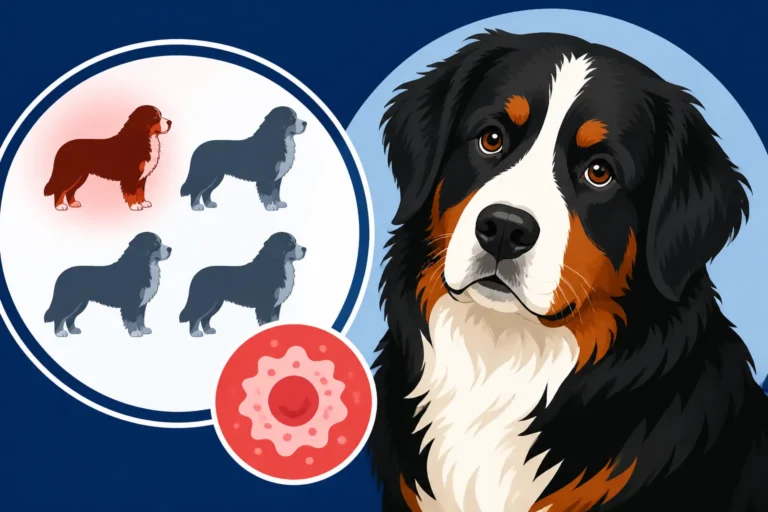
Bernese Mountain Dogs are particularly susceptible to a specific form of the condition called Type I Von Willebrand Disease. This type is generally considered the mildest, meaning dogs still produce some functional vWF, but at lower-than-normal levels. While this might sound reassuring, it doesn't mean it's without risk. The severity of bleeding can vary greatly among affected dogs, even within the same litter, because the inheritance pattern for Type I vWD is autosomal dominant with incomplete penetrance. This fancy term simply means that while a dog only needs one copy of the affected gene to potentially show symptoms, not all dogs with the gene will bleed equally, or even at all. This variability makes it a tricky condition to predict without proper testing.
Responsible breeders are keenly aware of this genetic predisposition in Berners. Many will undertake genetic testing of their breeding stock to ensure they are not passing on the gene that causes vWD. Knowing the genetic status of parent dogs is a critical step in reducing the incidence of this disease in future generations. For instance, a breeder might have two seemingly healthy parent dogs, but if one carries the gene for vWD, there's a chance their puppies could inherit it. By using genetic tests, breeders can make informed decisions, potentially avoiding breeding two carriers together or ensuring that at least one parent is clear. This proactive approach helps protect the health of the breed as a whole. While some genetic tests, like the What the SOD1 Result Means for a Bernese Mountain Dog, are crucial for other conditions like Degenerative Myelopathy, Von Willebrand Disease has its own specific genetic screening, which focuses on the gene responsible for vWF production.
Recognizing the Signs and Symptoms
One of the challenges with Von Willebrand Disease in Bernese Mountain Dogs is that the signs aren't always glaringly obvious. Because Type I vWD can manifest with varying degrees of severity, some dogs might go their entire lives without a major bleeding crisis, while others experience recurrent issues. Learning to recognize both the subtle and the more serious indicators is key to prompt intervention and effective management.
Subtle vs. Severe Bleeding Episodes
Bleeding episodes can range from the barely noticeable to the frankly alarming. Subtle signs might include a Bernese Mountain Dog who seems to bruise more easily than expected after a wrestling match with a housemate, or a tiny cut on their paw from a stray twig that takes an unusually long time to clot and stop oozing. Persistent nosebleeds without a clear cause, or bleeding gums when they chew on a hard toy, are also potential red flags. Some owners might notice a bit of blood in their dog's urine or stool, or perhaps an unexplained limp due to bleeding into a joint after seemingly normal activity.
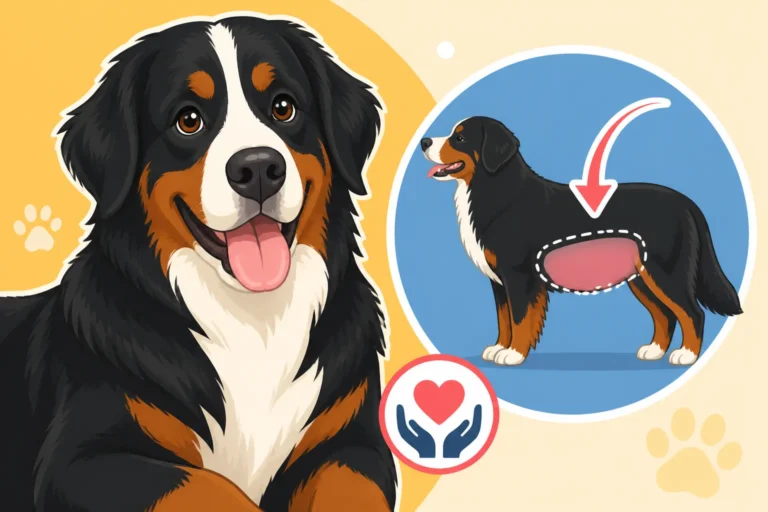
On the more severe end of the spectrum, you might encounter significant, uncontrolled bleeding from a wound that just won't staunch, or large hematomas forming under the skin after a bump or fall. Internal bleeding, though harder to detect, can also occur and might manifest as lethargy, pale gums, or a distended abdomen. It's not uncommon for a Bernese Mountain Dog with vWD to show a prolonged bleeding time from a minor cut, where a healthy dog's blood would clot quickly. If you ever find yourself wondering Whether a Bernese Mountain Dog Bleeds Longer From a Cut, and the answer seems to be yes, it’s definitely worth a conversation with your vet.
Surgical and Injury Risks
The real danger of Von Willebrand Disease often becomes apparent when a Bernese Mountain Dog undergoes surgery or experiences a significant injury. Procedures that are routine for other dogs, such as spaying or neutering, dental cleanings, or even minor lump removals, can become high-risk events for a Berner with vWD. The controlled trauma of surgery can trigger excessive and prolonged bleeding, which can be life-threatening if not anticipated and managed correctly. Imagine taking your otherwise healthy young Berner in for a routine spay, only to get a call hours later that she's bleeding uncontrollably, and the veterinary team is struggling to stop it. This scenario is a pet owner's nightmare, and it highlights why pre-surgical screening is so incredibly important.
Before any scheduled procedure, especially one involving incisions, it's crucial to discuss your concerns about bleeding disorders with your veterinarian. They might recommend specific Clotting Tests Before a Bernese Mountain Dog's Surgery to assess your dog's clotting ability. These tests can help the veterinary team prepare for potential complications, ensuring they have appropriate medications or blood products on hand if needed. Even for unplanned emergencies, like an injury requiring stitches, letting the veterinary staff know about a suspected or confirmed vWD diagnosis beforehand can make a huge difference in the outcome. Understanding Whether a Bernese Mountain Dog Can Be Spayed Safely or undergo any other procedure safely hinges on this proactive communication and testing.
Diagnosis and Management
Once Von Willebrand Disease is suspected, confirming the diagnosis and establishing a comprehensive management plan is the next crucial step. This often involves specific veterinary tests and a careful approach to your Bernese Mountain Dog's ongoing care.
Diagnostic Testing for vWD
To accurately diagnose Von Willebrand Disease in a Bernese Mountain Dog, veterinarians typically rely on two main types of tests: the von Willebrand factor antigen (vWF:Ag) assay and genetic testing.
The vWF:Ag assay is a blood test that measures the actual amount of von Willebrand factor present in your dog's blood. This quantitative test provides a direct measure of how much of this critical clotting protein is circulating. Results are usually expressed as a percentage of normal levels. Dogs with vWD will have significantly reduced levels. For instance, a dog with severe vWD might have less than 10% of normal vWF, while those with Type I, like most Berners, might have levels between 10% and 50%. It’s worth noting that stress, excitement, or certain medications can temporarily affect vWF levels, so your vet might recommend retesting or taking samples at specific times.
Genetic testing is another powerful tool, especially for Type I vWD in Bernese Mountain Dogs. This test looks directly for the specific gene mutation associated with the disease. A genetic test can determine if your dog is "clear" (no mutation), a "carrier" (one copy of the mutation, usually doesn't show symptoms but can pass it on), or "affected" (two copies of the mutation, typically showing symptoms). The beauty of genetic testing is that it can be done at any age, provides definitive results that don't fluctuate, and helps identify carriers who might otherwise go undetected. This is invaluable for breeders, as discussed earlier, but also for individual pet owners who want a clear picture of their dog's health status. Your vet might recommend a genetic test for your Bernese Mountain Dog puppy, especially if there's a family history of bleeding issues, to give you peace of mind and help plan for their future care.
Here's a quick comparison of these diagnostic tests:
| Test Type | What it Measures | Purpose | Pros | Cons |
|---|---|---|---|---|
| vWF:Ag Assay | Quantity of von Willebrand factor | Confirm vWD presence, assess severity | Direct measure, can assess bleeding risk | Levels can fluctuate, not a genetic test |
| Genetic Test | Presence of specific gene mutation | Identify clear, carrier, or affected status | Definitive, non-fluctuating, identifies carriers | Only confirms genetic predisposition, doesn't measure vWF directly |
Living with a Bernese Mountain Dog with vWD
Managing a Bernese Mountain Dog with Von Willebrand Disease means being proactive and vigilant, but it doesn't mean they can't live a full, happy life. The cornerstone of management is working closely with your veterinarian to develop a tailored care plan.
One key aspect is being mindful of medications. Certain drugs, particularly non-steroidal anti-inflammatory drugs (NSAIDs) like carprofen or meloxicam, can interfere with platelet function and exacerbate bleeding. Your vet will advise you on which medications to avoid and which are safe alternatives if your Berner needs pain relief or anti-inflammatory treatment for other conditions, such as arthritis, which is common in large breeds.
Careful handling is also important. While you don't need to wrap your Berner in cotton wool, being aware during rough play, walks in dense brush, or around sharp objects can help prevent injuries. Regular, gentle grooming, especially nail trims, should be done with extra care. Always have styptic powder or cornstarch on hand to quickly stop bleeding from a nail if you cut it too short.
Developing an emergency protocol with your vet is paramount. This should include knowing what to do if a bleeding crisis occurs, where to go for emergency care, and what specific treatments might be needed. Sometimes, a drug called desmopressin (DDAVP) can be administered to temporarily increase vWF levels in dogs with Type I vWD, making it useful before planned procedures or in an emergency. In more severe cases, or during major bleeding, transfusions of fresh frozen plasma (which contains vWF) might be necessary to stabilize your dog. This kind of specialized care, while vital, can quickly lead to significant veterinary bills. This is where a good pet insurance plan, such as one from providers like Healthy Paws, can be an absolute lifesaver. Having robust coverage for accidents and illnesses can help you make critical health decisions based on your dog's needs, rather than solely on your wallet. While the focus here is on vWD, it's worth noting that What Oncology Bills Reach for a Bernese Mountain Dog can be astronomical, and having insurance like Healthy Paws in place for all potential health issues is always a smart choice for these beautiful dogs. Considerations like What a Bernese Mountain Dog Costs to Insure at Seven or Whether a Bernese Mountain Dog Policy Is Worth Renewing at Six often factor in the breed's predispositions to conditions that require ongoing or emergency care.
Responsible Breeding and Prevention
The best way to combat inherited diseases like Von Willebrand Disease is through responsible breeding practices and informed choices by prospective owners. It's a collective effort that helps ensure the long-term health and well-being of the Bernese Mountain Dog breed.
The Role of Genetic Screening in Breeders
Reputable Bernese Mountain Dog breeders are the first line of defense against genetic conditions. They understand the importance of genetic screening for their breeding stock, and Von Willebrand Disease is high on that list. Before breeding, ethical breeders will have their dogs tested for the vWD gene mutation. This allows them to identify if a dog is clear, a carrier, or affected. By carefully selecting breeding pairs, they can work to reduce the prevalence of the disease in puppies. For instance, a responsible breeder would never breed two affected dogs together, nor would they typically breed two carriers together, as that significantly increases the chance of producing affected puppies. Instead, they might breed a carrier with a clear dog, ensuring no affected puppies are produced, and then test the offspring to identify which ones are carriers for future breeding decisions.
This level of commitment to health testing, including for conditions like vWD, is part of What Health Testing a Bernese Mountain Dog Breeder Pays For and is a strong indicator of a breeder's dedication. When you're looking for a Bernese Mountain Dog puppy, always ask the breeder about their health testing protocols and to see the results for the parent dogs. Don't be shy about asking specific questions about vWD screening. Reputable breeders will be transparent and proud to share their health clearances. This proactive approach by breeders is also crucial in the broader context of breed health, addressing concerns like Whether Cancer Is Bred Into the Bernese Mountain Dog by trying to remove genetic predispositions where possible.
Advocating for Your Berner's Health
As an owner, you are your Bernese Mountain Dog's strongest advocate. Being informed about conditions like Von Willebrand Disease empowers you to make the best decisions for their health. If your Berner has been diagnosed with vWD, or if they come from a line where it's present, openly communicate this information to every veterinarian they see – not just your primary vet, but also any emergency clinic or specialist. Keeping this information readily available, perhaps even on a tag attached to their collar or in their medical records, can be critical in an emergency.
Consider discussing the benefits of pet insurance with your vet. Companies like Healthy Paws offer comprehensive plans that can cover a significant portion of diagnostic tests, emergency treatments, and ongoing care for conditions like vWD. While it's easy to dismiss insurance when your puppy is young and healthy, the financial safety net it provides becomes invaluable when unexpected health challenges arise. Policies, even from reliable providers like Healthy Paws, are generally best secured before any symptoms appear to avoid pre-existing condition clauses. This foresight can be incredibly beneficial for a breed known for its health challenges. Learning more about topics like Insuring a Bernese Mountain Dog Against Cancer and Why Insurers Rate the Bernese Mountain Dog So High can help you understand the long-term value of a good policy for a Berner, especially given the various health issues they can face. Your proactive involvement in understanding and communicating your Bernese Mountain Dog's health profile, including vWD status, is vital for ensuring they receive the best possible care throughout their lives.
Disclaimer
This article is for general informational purposes only and does not constitute professional advice. Laws, prices and regulations vary by location and change over time. Consult a qualified professional for guidance on your specific situation.