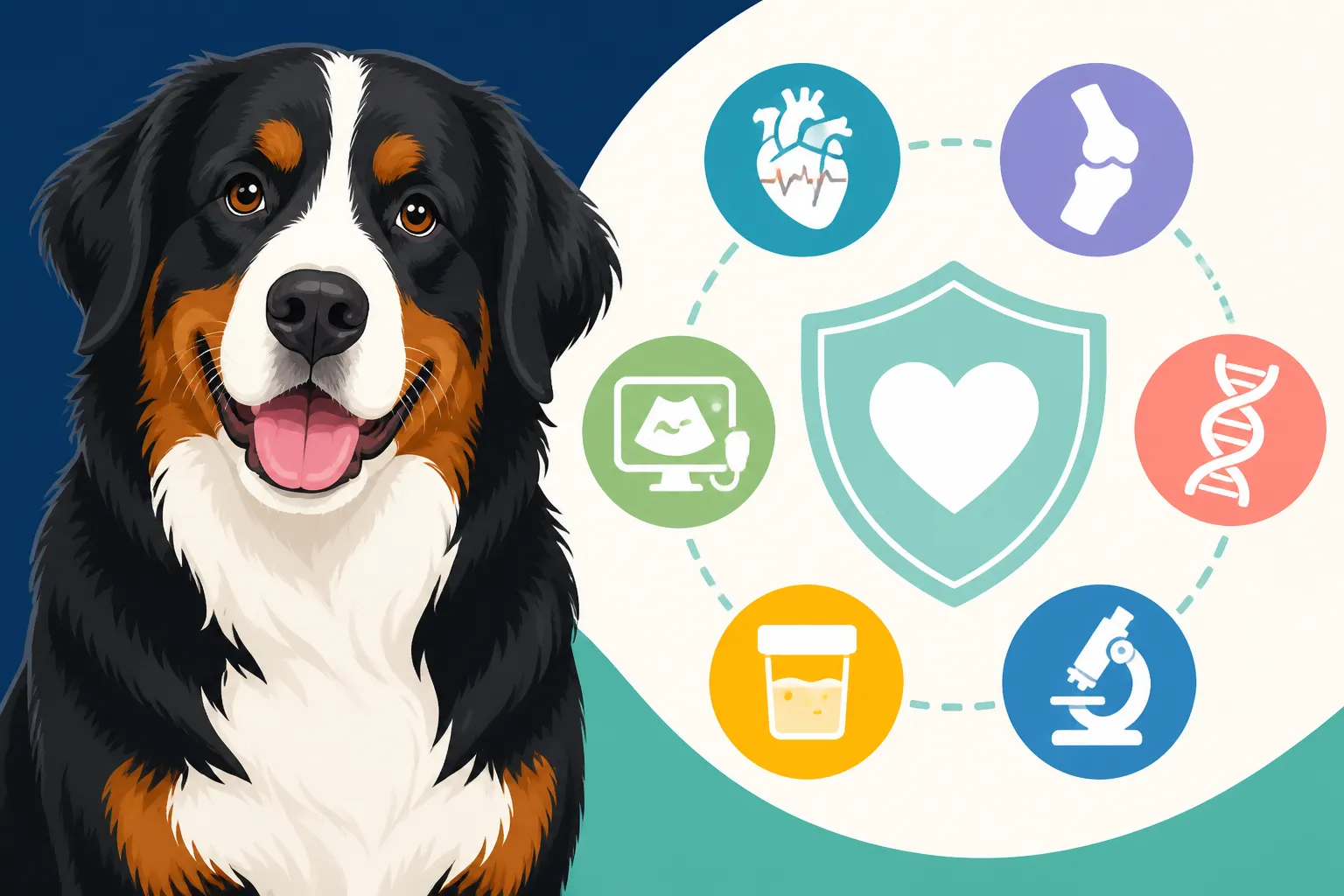
What Health Testing a Bernese Mountain Dog Breeder Pays For
Bringing a Bernese Mountain Dog into your life is an incredible joy, but the heartbreak and financial strain of unexpected health issues can be devastating. Many prospective owners feel overwhelmed trying to navigate the world of responsible breeding, wondering exactly what steps a good breeder takes to ensure the health of their puppies. This comprehensive guide will meticulously break down the essential health tests and responsible breeding practices that ethical Bernese Mountain Dog breeders undertake, helping you understand the investment they make and what to look for when choosing your future companion.
Understanding the Breeder's Responsibility in Bernese Health
When you’re dreaming of that fluffy, tri-color puppy, it's easy to get lost in the cuteness and forget the serious health considerations that come with the Bernese Mountain Dog breed. These magnificent dogs, while brimming with personality and charm, are unfortunately predisposed to a number of significant health challenges. A truly dedicated breeder understands this deeply and takes proactive steps to mitigate these risks, long before a puppy ever enters your home.
Why Health Testing is Crucial for Berners
Let's be brutally honest: Bernese Mountain Dogs, as a breed, face some tough genetic cards. We're talking about things like various forms of cancer, debilitating joint issues such as hip and elbow dysplasia, and other inherited conditions that can severely impact their quality of life and shorten their already too-brief lifespans. It's a heavy truth for any Berner lover. Without diligent health testing, breeders are essentially playing roulette with their puppies' futures and, by extension, with your heart and wallet.
An ethical breeder doesn't just hope for the best; they invest in the best. They see health testing not as an optional add-on, but as a foundational pillar of their breeding program. This isn't about cutting corners or trying to find the cheapest way to produce puppies. It’s about a deep commitment to the welfare of the breed and to the families who will welcome these dogs into their lives. They understand that a healthy puppy is the best legacy they can provide. Imagine the emotional anguish of watching your beloved Berner struggle with painful arthritis at a young age, or worse, face a cancer diagnosis before their prime. Now, consider the financial burden: multiple specialist visits, medications, surgeries, and potentially months or years of palliative care. These are the very real, often devastating, consequences that thorough health testing aims to prevent or at least significantly reduce. It's a testament to a breeder's integrity and foresight, recognizing that the initial investment in testing saves immense heartache and expense down the line for the new owners.
The Ethical Breeder vs. The Backyard Breeder
Navigating the world of Bernese Mountain Dog breeders can feel like a minefield. On one side, you have the ethical, responsible breeder; on the other, the backyard breeder or, even worse, the puppy mill. The distinction, especially when it comes to health testing, is stark and incredibly important for prospective owners to understand. An ethical breeder sees themselves as a steward of the breed. They meticulously research pedigrees, understand genetic lines, and invest considerable time, effort, and money into ensuring their breeding dogs are as healthy as possible. This means comprehensive health screenings for both parents, often extending back several generations. They openly share all test results, explain what they mean, and are transparent about any potential risks within their lines. They are not just selling a puppy; they are offering a carefully planned family member, backed by a commitment to health and temperament.
In stark contrast, a backyard breeder often operates with little to no understanding of genetics, breed-specific health issues, or responsible breeding practices. Their primary motivation might be to make a quick buck, or they might simply be uneducated about the true cost and responsibility of breeding. You'll often find their puppies advertised at suspiciously low prices, a huge red flag that should immediately trigger alarm bells. When you ask about health testing, they might offer vague answers, claim their vet said the parents are "healthy," or even dismiss testing as unnecessary. They won't have OFA certificates or genetic test results readily available, and they might even be evasive when pressed. This lack of transparency and investment is a massive gamble, not just for the puppies' future owners but for the entire Bernese Mountain Dog breed. While the initial cost of a puppy from an ethical breeder might seem higher, remember that you are paying for years of health research, genetic screening, and dedicated care that dramatically reduces the likelihood of future, far more expensive, health crises. Choosing a puppy from a backyard breeder is a shortcut that almost invariably leads to pain and expense later on, and often contributes to the proliferation of preventable genetic diseases within the breed.
Core Orthopedic Screenings for Bernese Mountain Dogs
Bernese Mountain Dogs are large, magnificent animals, and with great size often come unique orthopedic challenges. Their substantial weight puts considerable strain on their joints, making conditions like hip and elbow dysplasia particularly prevalent and painful if not properly managed or, ideally, bred out. Responsible breeders are hyper-focused on these specific areas, understanding that sound structure is paramount to a Berner's quality of life.
Hip Dysplasia Evaluations
Hip dysplasia is a notoriously common and debilitating condition in large breeds, and Bernese Mountain Dogs are certainly no exception. It's a complex, multifactorial disease where the ball and socket joint of the hip doesn't develop correctly, leading to looseness, pain, and eventually crippling arthritis. No owner wants to see their cherished companion limping or struggling to get up, especially not when they’re still relatively young. This is precisely why ethical breeders put such a strong emphasis on hip evaluations.
The most widely recognized method for evaluating hip health in breeding dogs is through the Orthopedic Foundation for Animals (OFA) certification. Another highly respected option is PennHIP. Both require specialized X-rays of the dog's hips, performed under sedation by a veterinarian, to ensure proper positioning and minimize discomfort. The X-rays are then sent to a panel of expert radiologists who meticulously examine the joint structure for signs of dysplasia. The OFA assigns grades ranging from Excellent, Good, and Fair (all considered passing for breeding) to Borderline, Mild, Moderate, and Severe (all considered dysplastic). PennHIP, on the other hand, measures hip laxity quantitatively, providing a Distraction Index (DI) score that indicates how loose the hips are, allowing breeders to select dogs with tighter hips, which are less prone to developing dysplasia. A responsible breeder will have at least an OFA Fair rating, but ideally Good or Excellent, for both parents. They will be eager to show you the official certificates, often displaying them prominently or making them easily accessible online. When looking into a puppy's lineage, knowing that their parents and even grandparents have solid hip clearances provides a huge sigh of relief. It doesn't guarantee your puppy will never have hip issues – no test can offer a 100% guarantee given the multifactorial nature of the disease – but it significantly stacks the odds in your favor, and shows that the breeder is actively working to improve the health of their lines. For more detailed information on what these certifications entail, you can refer to resources like "OFA Clearances a Bernese Mountain Dog Should Have".
Elbow Dysplasia Screenings
Just as critical as hip health for a large, active breed like the Bernese Mountain Dog are their elbows. Elbow dysplasia is another genetic, often painful, condition characterized by abnormal development of the elbow joint, leading to lameness, pain, and early-onset arthritis. It's not a single disease but rather a collection of developmental abnormalities that manifest in the elbow. If left unaddressed in breeding lines, it can cause immense suffering for the dog and significant veterinary bills for the owner.
The OFA also offers an elbow dysplasia database, which is the gold standard for screening in North America. Similar to hip evaluations, this process involves taking specific X-rays of the elbow joints, typically performed when the dog is at least 24 months old (the same age requirement as for hip clearances, to ensure skeletal maturity). These X-rays are then reviewed by OFA-certified radiologists. The elbows are graded as Normal (Grade 0), Grade I (mild dysplasia), Grade II (moderate dysplasia), or Grade III (severe dysplasia). Only dogs with an OFA Normal (Grade 0) elbow rating should be used in a breeding program. Any dog showing signs of elbow dysplasia, even mild, should be removed from breeding. An ethical breeder will not only ensure both parent dogs have clear elbow certifications but will also often look back at the elbow health of previous generations in their pedigrees. They understand that passing on even a predisposition to elbow issues can lead to a lifetime of discomfort for a large, heavy dog like a Berner. Seeing those clear elbow certifications is a strong indicator that the breeder is committed to producing puppies with the best possible start to a mobile and pain-free life. It’s a vital piece of the puzzle in ensuring a long, happy life for your Bernese Mountain Dog.
Patellar Luxation Examinations
While hip and elbow dysplasia are the primary orthopedic concerns that Bernese Mountain Dog breeders rigorously screen for, it’s worth noting that other joint issues, such as patellar luxation, can sometimes be found in larger breeds, even if less common for Berners than, say, smaller breeds. Patellar luxation refers to a condition where the kneecap (patella) dislocates or slips out of its normal groove in the thigh bone (femur). When the patella moves out of place, it can cause pain, lameness, and an abnormal gait.
Although not as prevalent or a top-tier concern for Bernese Mountain Dogs compared to hips and elbows, a truly comprehensive health screening protocol for any breeding dog might include an examination for patellar luxation. This examination is usually performed by a veterinarian who manually manipulates the kneecap to check for instability. The OFA maintains a registry for patellar luxation, with findings categorized by severity. Responsible breeders aim for dogs with normal patellas (Grade 0). While it might not be the first test a Berner breeder highlights, if they are going above and beyond to ensure overall soundness, they may include this as part of a general orthopedic workup. It simply shows a thoroughness in approach, ensuring all major joints are considered for optimal health in a breed that already carries a lot of weight. This extra layer of screening demonstrates a commitment to not just addressing the most common issues but building a robust foundation for their puppies’ skeletal health, minimizing the chances of any surprises down the road.
Cardiac and Ocular Health Assessments
Beyond the crucial orthopedic screenings, responsible Bernese Mountain Dog breeders extend their health evaluations to include vital internal systems, ensuring that potential breeding dogs have sound hearts and healthy eyes. These areas, while perhaps not as immediately obvious as a limp from hip dysplasia, can significantly impact a dog's quality of life and longevity. Overlooking them would be a serious lapse in a comprehensive breeding program.
Comprehensive Cardiac Screenings
Heart health is another critical area for Bernese Mountain Dogs, as certain cardiac conditions can unfortunately affect the breed. One condition of particular concern for some large breeds, including occasionally Berners, is subvalvular aortic stenosis (SAS), a narrowing of the aorta that can lead to heart murmurs, exercise intolerance, and even sudden death in severe cases. While not as universally prevalent as cancer or joint issues in the breed, a diligent breeder will not ignore the potential for inherited cardiac problems.
This is where a board-certified veterinary cardiologist comes into play. A comprehensive cardiac screening typically involves several components. First, a thorough auscultation (listening to the heart with a stethoscope) to detect any murmurs or abnormal rhythms. If a murmur is detected, further diagnostics are essential. The next step is often an echocardiogram, which is an ultrasound of the heart. This non-invasive procedure allows the cardiologist to visualize the heart's structure and function in detail, measuring chamber sizes, assessing valve function, and checking blood flow patterns. Through these advanced evaluations, conditions like SAS, dilated cardiomyopathy, or other congenital heart defects can be identified. Only dogs with a clear bill of health from a specialist cardiologist should ever be considered for breeding. An ethical breeder will openly provide documentation of these cardiac clearances, demonstrating their proactive approach to preventing the transmission of inherited heart disease. If you want to delve deeper into cardiac health, you can explore resources like "Heart Screening for a Bernese Mountain Dog" to understand the nuances of these critical examinations. It’s an assurance that your future Berner has the strongest possible heart, ready for a lifetime of love and adventure.
Eye Examinations by a Board-Certified Ophthalmologist
Just like with hearts and joints, a Bernese Mountain Dog's eyes require careful attention from responsible breeders. Certain inherited eye conditions can cause discomfort, impair vision, or even lead to blindness, diminishing a dog’s quality of life. An ethical breeder understands the importance of clear vision for a dog’s overall well-being and includes thorough ocular examinations in their health screening protocol.
The gold standard for eye health evaluation in breeding dogs is a comprehensive examination performed by a board-certified veterinary ophthalmologist. This specialist uses specialized equipment to examine all parts of the eye, from the eyelids and cornea to the lens and retina. Common conditions they look for in Bernese Mountain Dogs, and other breeds, include entropion (where the eyelids roll inward, causing irritation) and ectropion (where the eyelids roll outward, leading to dryness and exposure). More serious conditions like Progressive Retinal Atrophy (PRA), which can lead to blindness, are also screened for, though less prevalent in Berners than some other breeds. The results of these exams are often recorded and submitted to organizations like the OFA, which maintains a Canine Eye Registry Foundation (CERF) database. A breeder should be able to provide documentation showing that their breeding dogs have current, clear eye certifications. These certifications are typically recommended annually, as some conditions can develop or progress over time. Asking about these eye clearances and seeing the official paperwork provides peace of mind that your puppy's lineage is free from known inherited eye diseases. For more in-depth information on specific ocular conditions, you might find valuable insights in articles such as "Eye Conditions in a Bernese Mountain Dog". It’s another layer of protection, ensuring your Berner will greet the world with bright, healthy eyes.
Genetic Testing for Inherited Diseases
While orthopedic and organ health are vital, modern veterinary science allows us to look even deeper, into the very genetic code of our Bernese Mountain Dogs. Genetic testing is a powerful tool for responsible breeders, enabling them to identify carriers of specific inherited diseases and make informed breeding decisions that protect future generations. This proactive approach is a cornerstone of ethical breeding, preventing the heartache of conditions that can be devastating.
Von Willebrand Disease vWD Testing
Among the various genetic conditions that can affect Bernese Mountain Dogs, Von Willebrand Disease (vWD) is one that demands particular attention. This is a common inherited bleeding disorder, affecting the ability of blood to clot properly. Dogs with vWD can experience prolonged bleeding from minor cuts, excessive bleeding during surgery (such as spaying or neutering), or even spontaneous bleeding from the nose or gums. It's a scary prospect for any dog owner, facing a situation where a routine procedure could become life-threatening.
Thankfully, there's a reliable genetic test for vWD. This test typically involves a simple cheek swab or blood sample, which is then sent to a specialized veterinary genetics laboratory. The results categorize dogs as "clear" (meaning they do not carry the gene and will not be affected), "carrier" (meaning they carry one copy of the gene but typically do not show symptoms, though they can pass it on to offspring), or "affected" (meaning they have two copies of the gene and are likely to suffer from the disease). An ethical Bernese Mountain Dog breeder will test all their breeding stock for vWD. They will only breed "clear" dogs to "clear" dogs, or "clear" dogs to "carrier" dogs. They would never breed two carriers together, as that significantly increases the risk of producing affected puppies. Likewise, affected dogs should never be bred. When reviewing a puppy's parents, seeing vWD test results as "clear" or "carrier" (with the other parent being "clear") is a critical indicator of a breeder's commitment to avoiding this serious bleeding disorder. For a deeper dive into understanding this condition, you can refer to "What Von Willebrand Disease Means for a Bernese Mountain Dog". This simple genetic test offers immense peace of mind and is a non-negotiable part of a responsible Berner breeding program.
Degenerative Myelopathy DM Screening
Another deeply concerning genetic condition that affects Bernese Mountain Dogs is Degenerative Myelopathy (DM). This is a progressive neurological disease that sadly mirrors aspects of Lou Gehrig's disease in humans. It primarily affects the spinal cord, leading to gradual weakness, incoordination, and eventually paralysis, typically in the hind limbs. The heartbreaking reality is that DM is progressive, irreversible, and ultimately fatal, stealing mobility and quality of life from affected dogs, often in their senior years. No one wants to witness their beloved dog's back legs give out from under them, and the emotional toll is immense.
Fortunately, a genetic test for DM is available, specifically for mutations in the SOD1 gene. Like the vWD test, it typically involves a cheek swab or blood sample. The results classify dogs as "clear" (N/N, meaning they have two normal copies of the gene), "carrier" (A/N, meaning they have one copy of the mutation), or "at-risk" (A/A, meaning they have two copies of the mutation and are highly likely to develop DM symptoms in their lifetime). A responsible Bernese Mountain Dog breeder will rigorously screen all their breeding dogs for DM. While a "carrier" dog typically won't develop symptoms themselves, they can pass the gene to their offspring. Therefore, a carrier dog should only be bred to a "clear" dog, ensuring that no puppies will be "at-risk" for developing DM. Breeding two "at-risk" dogs or an "at-risk" dog with a "carrier" or "clear" is irresponsible, as it dramatically increases the chances of producing affected puppies. Seeing those clear or appropriately paired carrier test results for the parent dogs provides a powerful assurance that your future Berner has the best possible genetic start against this devastating disease. To learn more about the specifics of this testing, you might find "The SOD1 Test for a Bernese Mountain Dog" to be an incredibly helpful resource.
Other Emerging Genetic Tests
The field of canine genetics is constantly evolving, and what's considered standard today might be expanded tomorrow. While Von Willebrand Disease and Degenerative Myelopathy are the most common and established genetic tests for Bernese Mountain Dogs, responsible breeders are always staying abreast of new research and emerging screening opportunities. They understand that a commitment to health is an ongoing journey, not a static checklist.
One area of intense focus and ongoing research for Berners is, of course, cancer. Bernese Mountain Dogs unfortunately have a high predisposition to certain types of cancer, particularly Histiocytic Sarcoma. While there isn't yet a simple "clear/carrier/affected" genetic test like for vWD or DM that breeders can use to definitively screen for cancer risk in breeding dogs, researchers are actively working towards this goal. Ethical breeders will keep a close eye on studies and participate in research initiatives, submitting samples from their dogs to contribute to the scientific understanding of these complex diseases. They might also track the longevity and causes of death in their pedigrees, aiming to breed from lines with a history of longer, healthier lives. Beyond cancer, as genetic mapping becomes more sophisticated, it’s possible that tests for other conditions may emerge, such as those related to kidney disease or other breed-specific ailments. A truly dedicated breeder will discuss their awareness of these ongoing research efforts and any additional tests they might perform or participate in, even if they aren't yet universally adopted breed-wide. This proactive engagement underscores their dedication to the long-term health and vitality of the Bernese Mountain Dog breed. For those interested in the broader scientific efforts, learning about "Research Funding for Bernese Mountain Dog Cancer" can provide insight into the complexities and hopes for future breakthroughs in this critical area.
The Financial Investment in Health Testing
When you first start looking for a Bernese Mountain Dog puppy, the price tag from a reputable breeder might seem substantial. It's natural to wonder why some puppies cost significantly more than others. The truth is, a large portion of that cost isn't profit; it's a direct reflection of the immense financial investment an ethical breeder makes in health testing. This investment is crucial, and understanding it can help prospective owners appreciate the true value of a well-bred puppy.
Breaking Down the Costs for a Breeder
Let's pull back the curtain on the actual expenses a responsible Bernese Mountain Dog breeder incurs for health testing. These aren't one-time fees; many tests are performed on multiple dogs in their breeding program, and some are repeated annually. First, consider the orthopedic screenings. OFA Hip and Elbow X-rays alone can cost anywhere from $200 to $400 or more per dog, per evaluation, especially when factoring in the required sedation and veterinary fees for proper positioning. If a breeder opts for PennHIP, that can add another $150 to $250. Then there are the cardiac clearances. A full cardiac evaluation by a board-certified veterinary cardiologist, including an echocardiogram, can easily run between $300 and $600 per dog. Eye examinations by a specialist ophthalmologist typically cost $50 to $100 per dog, and these are often recommended annually.
Moving on to genetic testing, individual tests for conditions like Von Willebrand Disease and Degenerative Myelopathy usually cost between $50 and $100 each per dog, although some laboratories offer panel tests that bundle several common genetic screenings together, which can range from $150 to $300 for a comprehensive panel. And don't forget the general veterinary care: annual check-ups, vaccinations, parasite prevention, and quality nutrition for the breeding dogs themselves – all significant ongoing costs that support overall health. When you add up these numbers for multiple breeding adults, potentially over several years, the total investment quickly climbs into the thousands, or even tens of thousands, of dollars. These expenses are then carefully factored into the price of a puppy. This explains, in part, "What a Fully Cleared Bernese Mountain Dog Litter Sells For" and why a puppy from a truly health-focused program commands a higher price than one from a backyard breeder who skips these vital steps. This isn't about making a fortune; it's about covering the substantial, non-negotiable costs of producing healthy, well-adjusted puppies.
The Value Proposition for Puppy Buyers
Now, you might be thinking, "That's a lot of money to pay for a puppy upfront!" And you're absolutely right, it is a significant investment. However, when you truly grasp the value proposition behind a health-tested Bernese Mountain Dog, you'll see it as an investment in peace of mind, reduced future heartache, and potentially, substantial financial savings down the road. The breeder's upfront costs are essentially your insurance policy against many of the most devastating and expensive health problems common in the breed.
Imagine getting a puppy from an untested lineage, only to find out at two years old that they have severe hip or elbow dysplasia, requiring costly surgeries, lifelong pain management, and specialized care. A single hip replacement surgery can cost upwards of $4,000 to $7,000 per hip, not including follow-up vet visits, physical therapy, and medication. Or consider a cancer diagnosis: treatments, consultations with veterinary oncologists, chemotherapy, or radiation can easily climb into the tens of thousands of dollars. While health testing doesn't guarantee a completely problem-free dog (no living creature comes with such a promise), it dramatically reduces the risk of these debilitating and financially ruinous conditions. A puppy from health-tested parents means you're far less likely to face these scenarios, allowing you to focus on enjoying your Bernese Mountain Dog rather than constantly worrying about their health or draining your savings account. Even with a well-screened dog, considering pet insurance from providers like Healthy Paws is a smart move, offering an extra layer of financial protection for unexpected accidents or illnesses. While the breeder's investment significantly reduces the likelihood of inherited diseases, life still happens, and having a plan for those unforeseen circumstances is always wise. It's a common topic to discuss "Insuring a Bernese Mountain Dog Against Cancer", for instance, because even with the best breeding, cancer sadly remains a leading cause of death. Ultimately, choosing a puppy from a breeder who embraces rigorous health testing isn't just about paying more upfront; it's about buying into a healthier future for your beloved companion.
Beyond the Tests: Breeder Practices for Lifelong Health
While formal health testing is undeniably critical, an exceptional Bernese Mountain Dog breeder goes further. They don't just check boxes; they embody a holistic approach to breeding that considers every aspect of a dog's well-being, from the longevity of their ancestors to the environment in which their puppies are raised. These additional practices demonstrate a true dedication to the breed and ensure the best possible start for every puppy.
Longevity in Pedigrees
For Bernese Mountain Dog enthusiasts, few topics spark more passion and sorrow than their tragically short average lifespan. These wonderful dogs typically only live seven or eight years, a heartbreaking reality that responsible breeders are constantly striving to improve. Beyond simply screening for specific diseases, an ethical breeder looks critically at the longevity of their breeding dogs' ancestors, searching for lines that consistently live longer, healthier lives. This isn't an easy task, but it's a profound commitment to the future of the breed.
They delve deep into pedigree research, not just looking at titles or superficial health clearances, but investigating the age and cause of death for as many dogs as possible in a dog's family tree. This meticulous research is often facilitated by invaluable resources like the Berner-Garde database. This incredible open database, maintained by volunteers, collects health and longevity information on Bernese Mountain Dogs from around the world. Responsible breeders submit their own dogs' records and then use the database to analyze potential breeding pairs, looking for patterns of good health and extended lifespans. They are transparent about the longevity in their lines and are willing to discuss the challenges and successes they've had in this area. It's a constant effort, as genetics are complex and many factors influence longevity, but a breeder who prioritizes a long life for their dogs is demonstrating an extraordinary level of commitment. This dedication goes far beyond simply avoiding specific diseases; it's about actively "Reading Longevity Into a Bernese Mountain Dog Pedigree" and making breeding decisions that aim to extend those precious years for future generations.
The Role of Environment and Early Puppy Care
Even with impeccable genetic health clearances, a puppy’s environment and early care play an enormous role in their lifelong well-being. A responsible Bernese Mountain Dog breeder understands that their job doesn’t end with selecting healthy parents; it extends to nurturing their puppies in a way that optimizes their growth and development, particularly for a large, rapidly growing breed.
One of the most critical aspects is nutrition. Bernese Mountain Dog puppies grow at an astonishing rate, sometimes gaining several pounds a week. While exciting, this rapid growth can put undue stress on their developing joints and bones if not managed correctly. Ethical breeders feed their puppies a high-quality, large-breed specific puppy food (brands like Chewy or Ollie offer excellent options that cater to large breed nutritional needs) that is formulated to support slower, more controlled growth. They meticulously monitor the puppies' weight and body condition, avoiding overfeeding, which can exacerbate orthopedic problems. Discussions about "Why a Bernese Mountain Dog Puppy Needs Controlled Calcium" are crucial, as too much calcium can be detrimental to their skeletal development. Furthermore, these breeders provide a stimulating yet safe environment. This means controlled exercise, avoiding excessive jumping or stair climbing in young puppies, which can put strain on their still-forming joints. They also prioritize early socialization, exposing puppies to a variety of sights, sounds, people, and gentle experiences to build a confident and well-adjusted temperament. They start basic potty training and introduce concepts like crate training, setting the puppy up for success in their new homes. Understanding "How Fast a Bernese Mountain Dog Puppy Should Grow" is fundamental, and a breeder committed to best practices will guide new owners on how to continue this careful management. It’s an holistic approach that recognizes health is a product of both genetics and environment, giving each puppy the very best start in life.
How to Verify Health Clearances
Okay, so you've learned about all the important health tests a Bernese Mountain Dog breeder should be doing. But how do you, as a prospective puppy buyer, actually verify these claims? It’s not enough for a breeder to simply say their dogs are health tested; you need to see the proof. A responsible breeder will be completely transparent and eager to share this information with you. In fact, if they aren't, that's a major red flag.
The most straightforward way to verify orthopedic and some eye clearances is through the Orthopedic Foundation for Animals (OFA) public database. You can visit the OFA website (offa.org) and search by the registered name or registration number of the parent dogs. This will pull up their official OFA certificates for hips, elbows, patellas, and eye exams (CERF). You should look for results that indicate a passing grade for hips (Fair, Good, or Excellent) and normal for elbows (Grade 0). For genetic tests like vWD and DM, breeders should provide copies of the laboratory reports from reputable testing companies like Embark, Canine HealthCheck, or other specialized veterinary genetic labs. These reports will clearly state whether the dog is clear, a carrier, or affected. Don't be shy about asking for these documents directly. A good breeder will have them organized and ready to share, often including them in a puppy packet. They should also be happy to discuss what the results mean and how they inform their breeding decisions. Beyond just seeing the paperwork, engage in direct conversations with the breeder. Ask them specific questions about their health protocols, what health issues they've seen in their lines, and what they are doing to address them. Ask for veterinary references, and consider reaching out to other owners who have puppies from that breeder. This diligence on your part is a critical step in ensuring you're getting a puppy from a truly reputable source committed to breed health.
Summary of Key Health Tests
To help visualize the array of health tests we've discussed, here's a handy table outlining the primary screenings a Bernese Mountain Dog breeder should undertake, what they screen for, and the typical age at which these tests are performed on breeding dogs.
| Health Test Category | Specific Test/Condition | What it Screens For | Minimum Age for Testing | Typical Frequency |
|---|---|---|---|---|
| Orthopedic | OFA Hips | Hip Dysplasia | 24 months | Once |
| OFA Elbows | Elbow Dysplasia | 24 months | Once | |
| OFA Patella | Patellar Luxation | 12 months | Once | |
| Cardiac | OFA Cardiac (Echo/Auscultation) | Inherited Heart Conditions (e.g., SAS) | 12 months | Annually (preferred) |
| Ocular | OFA Eye Certification (CERF) | Inherited Eye Conditions (e.g., Entropion, PRA) | 12 months | Annually |
| Genetic | Von Willebrand Disease (vWD) | Bleeding Disorder | Any age | Once |
| Degenerative Myelopathy (DM) | Progressive Neurological Disorder | Any age | Once |
Disclaimer
Please remember that this information is for educational purposes only and is not a substitute for professional veterinary advice. Always consult with a qualified veterinarian regarding your Bernese Mountain Dog's health and any specific concerns you may have. Health testing significantly reduces risks but cannot guarantee a completely problem-free dog.