Sizing a Household Up for a Bernese Mountain Dog
Bringing a Bernese Mountain Dog into your life is an incredibly exciting prospect, filled with visions of a loyal, cuddly companion. However, the reality of living with a large, double-coated breed often comes with practical considerations many new owners might not fully grasp until their fluffy puppy is suddenly a hundred-pound adolescent. This comprehensive guide is here to help you honestly assess your current living situation, daily routine, and financial readiness to ensure your household is truly equipped to provide a loving and thriving environment for a Bernese Mountain Dog.
Space Requirements: More Than Just Square Footage
One of the first things people think about when considering a large dog is, "Do I have enough space?" And while the literal dimensions of your home are important, it's about much more than just square footage. It's about how that space functions for a dog of significant size and energy level, even if they're known for being calm indoors.
Indoor Living: Managing a Gentle Giant in Your Home
Berners might be gentle, but they are substantial. A full-grown Bernese Mountain Dog can weigh anywhere from 70 to 115 pounds (and sometimes more) and stand 23 to 27.5 inches tall at the shoulder. That's a lot of dog to navigate around furniture, through doorways, and up and down stairs. You need to consider clear pathways, ample room for them to stretch out (which they love to do, often dramatically across a doorway), and enough space for their extra-large dog bed without it becoming an obstacle course for the humans.
Think about your current home layout. Is it open-plan, or do you have narrow hallways and crowded rooms? A Berner will inevitably bump into things, swipe items off coffee tables with a wagging tail, and take up a surprising amount of floor space just by existing. They need a designated "safe zone" or quiet corner where they can retreat when they need peace, especially important in busy households. This might mean a large crate in a low-traffic area or a dedicated dog bed in a quiet room. Without adequate space, both you and your Berner can feel cramped and frustrated, leading to stress for everyone.
Outdoor Space: Fenced Yards and Safe Exploration
While Bernese Mountain Dogs aren't typically "yard dogs" in the sense of being left alone outside all day, a securely fenced yard is a huge asset. It provides a safe area for them to relieve themselves, enjoy some fresh air, and engage in supervised play. A simple chain-link fence might not be enough; a sturdy, at least 4-6 foot tall fence is generally recommended to contain a large, determined dog, even if they aren't known jumpers. Remember, Berners love to explore with their noses, and an unsecured boundary can quickly become an invitation for an unplanned adventure.
Beyond containment, consider what your yard offers. Does it have shade? Berners, with their thick double coats, are prone to overheating, especially in warmer climates. Trees, awnings, or even a shaded dog house are crucial if they'll be spending any time outdoors during the day. Access to fresh water is non-negotiable. While a yard is fantastic for quick potty breaks and supervised zoomies, it doesn't replace structured walks and mental enrichment. They still need to get out and about to see the world, sniff new smells, and socialize.
Vehicle and Travel Accommodations: Getting Around with a Large Dog
This is one often-overlooked aspect of owning a giant breed. Your compact sedan simply won't cut it for a Bernese Mountain Dog, especially not comfortably or safely. You'll need a vehicle with ample cargo space – think SUVs, minivans, or trucks with secure caps. Even then, you'll likely need a large dog crate or a sturdy travel harness and seat belt designed for large breeds to ensure their safety and yours while on the road.
Imagine taking your Berner to the vet, on a road trip, or even just to the park. Can they comfortably get in and out of your vehicle? Do they have enough space to lie down or turn around? Consider the logistics of vacationing with a large dog; not all hotels or rental properties accommodate giant breeds, and finding appropriate boarding facilities can be a challenge. Planning for these transportation needs well in advance will save you a lot of headaches and ensure your Berner can join you on life's adventures safely and comfortably.
Time Commitment: A Devoted Companion's Needs
Bernese Mountain Dogs are known for their devotion to their families, but that devotion comes with an expectation of reciprocal time and attention. They are not dogs that can be left to their own devices for extended periods without consequences.
Exercise Requirements: Balancing Activity and Joint Health
Despite their size, Berners are moderately active dogs. They need daily exercise, but it needs to be the right kind of exercise. While a sprawling sprint in an open field might sound appealing, intense, high-impact activities are often discouraged, especially during their crucial growth phases, due to the breed's predisposition to joint issues like hip and elbow dysplasia. Instead, think of consistent, moderate activities.
A good daily routine would include a couple of brisk walks totaling 45-60 minutes, along with some supervised playtime in the yard. Fetch, gentle tug-of-war, or even just exploring a new scent trail are excellent ways to meet their physical and mental needs. For puppies, the rule of thumb is often five minutes of exercise per month of age, twice a day, to protect developing joints. This means a four-month-old puppy might only get two 20-minute walks a day. Over-exercising a growing Bernese Mountain Dog can have lasting negative impacts on their joint health. For more on this, you might find The Five Minute Rule and a Bernese Mountain Dog Puppy helpful. It's about quality over quantity and understanding their unique needs.
Training and Socialization: Shaping a Well-Adjusted Berner
Consistent, positive reinforcement training is non-negotiable for a Bernese Mountain Dog. A hundred-pound dog that hasn't learned basic manners can quickly become unmanageable. Starting early, as soon as you bring your puppy home, is key. They are generally intelligent and eager to please, but they can also be sensitive and will shut down if training is harsh or inconsistent. Short, fun training sessions are far more effective than long, repetitive drills.
Socialization is equally crucial. Berners are typically good-natured, but a lack of exposure to different people, places, sounds, and other dogs during their critical developmental period can lead to shyness or fearfulness later on. Enroll in puppy classes, expose them to a variety of positive experiences, and encourage polite interactions with strangers. Be prepared for a long puppy phase; Berners often retain their puppy-like exuberance until they are two or even three years old. You'll want to get a handle on behaviors like mouthing early on, as a playful nibble from a puppy can become a painful grab from an adult. For insights on managing this, consider reading A Bernese Mountain Dog Puppy That Mouths Hands.
Grooming and Maintenance: Managing That Beautiful Coat
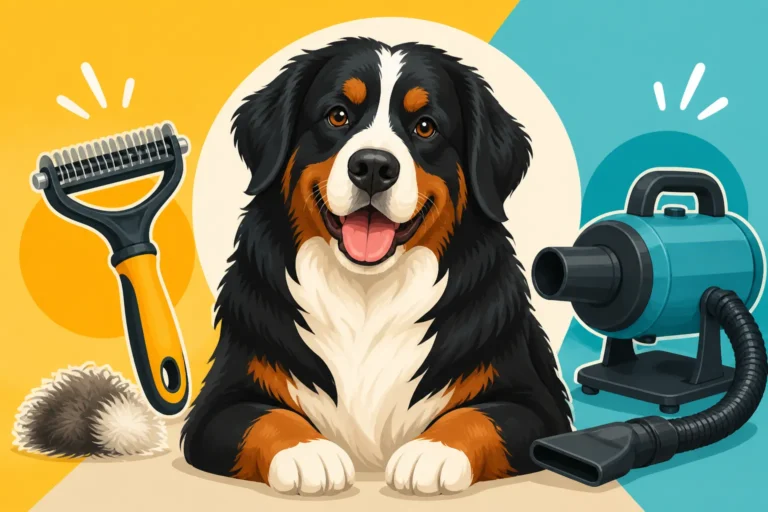
That gorgeous, flowing tricolor coat is one of the most striking features of a Bernese Mountain Dog, but it's also a significant time commitment. Berners have a thick double coat that sheds, often profusely, year-round, with heavier "blow-outs" in spring and fall. Regular grooming is essential not just for aesthetics but for their health and comfort.
You should expect to brush your Berner at least a few times a week, ideally daily, to prevent mats and tangles, especially behind the ears, under the legs, and in their "trousers" (the feathering on their hindquarters). A good quality slicker brush, a wide-toothed comb, and an undercoat rake are your best friends. Bathing will be less frequent, perhaps every 1-3 months, but when you do, prepare for a significant undertaking due to their size and coat density. Regular nail trims (at least every 2-4 weeks) are also vital to prevent discomfort and joint issues. If you're wondering about the frequency of brushing, How Often a Bernese Mountain Dog Should Be Brushed can provide more detailed guidance. Grooming isn't just about making them look good; it's a bonding experience and a crucial part of their overall well-being.
Financial Preparedness: The Real Cost of a Berner
Let's be blunt: Bernese Mountain Dogs are not cheap to own. Their size, specific health needs, and even their sheer capacity to consume resources mean they come with a significant financial commitment over their lifetime. It’s important to go into this with open eyes and a realistic budget.
Initial Investment: Purchase Price and Setup Costs
The initial cost of a well-bred Bernese Mountain Dog puppy from a reputable breeder can be substantial. You're not just paying for a puppy; you're contributing to the breeder's extensive health testing, quality care for the dam and litter, and their dedication to the breed's future. Expect to pay anywhere from $2,000 to $4,000 or more, depending on your region and the breeder's reputation and clearances. Trying to save money on the purchase price often leads to much higher veterinary bills down the line due to unforeseen health issues from poor breeding practices. For a deeper dive into what influences puppy prices, check out What a Fully Cleared Bernese Mountain Dog Litter Sells For.
Beyond the puppy itself, there are significant setup costs. You'll need a large crate, appropriately sized food and water bowls, an extra-large orthopedic dog bed, leashes, collars, ID tags, initial vaccines, deworming, and possibly microchipping. Don't forget the first round of toys and grooming tools. This initial outlay can easily add up to several hundred to over a thousand dollars before your puppy even settles in.
Ongoing Expenses: Food, Vet Care, and More
This is where the costs really start to accumulate. A hundred-pound dog eats a lot of food. High-quality large-breed specific kibble can be expensive, and you'll go through bags quickly. Expect to spend $80-$150 per month just on food, depending on the brand and your dog's activity level. For example, brands like Orijen or Taste of the Wild might be on the higher end, while a company like Chewy offers a vast selection across various price points, often with subscription options to save you time and money. Some owners even opt for fresh food delivery services like Ollie, which can significantly increase food costs but offer tailored nutrition.
Routine veterinary care includes annual check-ups, vaccinations, flea/tick prevention, and heartworm medication. These can run several hundred dollars a year. Add to that the cost of treats, replacement toys, grooming supplies, and potentially professional grooming if you can't manage it all yourself. The day-to-day expenses for a Bernese Mountain Dog are easily in the range of $150-$300+ per month, assuming your dog is perfectly healthy. It truly adds up, and it's something to budget for meticulously. You can learn more about this in The Running Costs of a Hundred Pound Bernese Mountain Dog.
Insurance Considerations: Peace of Mind for Health Challenges
Given the Bernese Mountain Dog's unfortunately short lifespan and propensity for certain health issues, particularly cancers and orthopedic problems, pet insurance is a wise, if not essential, investment. While it adds a monthly premium, it can be a lifesaver when unexpected medical emergencies or chronic conditions arise. A cancer diagnosis, for example, can quickly lead to veterinary bills in the tens of thousands of dollars, making insurance invaluable.
When choosing a policy, look for one with good coverage for hereditary conditions, accident, and illness. Companies like Healthy Paws are popular choices among large breed owners due to their comprehensive coverage and unlimited lifetime benefits. Be sure to enroll your puppy as young as possible, before any pre-existing conditions develop, as these are typically excluded from coverage. While you hope you'll never need it, knowing you can provide the best possible care without financially crippling your family offers immense peace of mind. For a comprehensive look at this topic, read Insuring a Bernese Mountain Dog Against Cancer.
Here's a quick overview of potential monthly costs:
| Category | Estimated Monthly Cost Range | Notes |
|---|---|---|
| Food | $80 – $150+ | High-quality large breed kibble, fresh food (e.g., Ollie) will be higher. |
| Treats & Chews | $20 – $50 | Depending on training needs and dog's chew habits. |
| Preventatives (Flea/Tick/HW) | $30 – $60 | Monthly cost, typically purchased in 6-12 month supplies. |
| Pet Insurance | $50 – $100+ | Varies by age, location, and coverage level. Essential for Berners. (e.g., Healthy Paws) |
| Toys | $10 – $30 | For enrichment and mental stimulation. Larger, more durable toys are often needed. |
| Grooming Supplies | $5 – $15 | Brushes, shampoo, nail clippers (or professional grooming costs if outsourcing). |
| Miscellaneous/Savings | $50 – $100+ | Contingency for unexpected minor vet visits, training classes, new leashes, etc. |
| Total Estimated Monthly | $245 – $500+ | This doesn't include one-time large expenses like initial puppy purchase, emergency surgeries, or major illnesses. |
Lifestyle Compatibility: Integrating a Berner into Your Life
A Bernese Mountain Dog isn't just a pet; they become an integral part of your family. Their needs and temperament should align with your lifestyle to ensure a harmonious relationship for everyone involved.
Family Dynamics: Children, Other Pets, and Visitors
Bernese Mountain Dogs are famously good with children. They have a patient, gentle demeanor that makes them excellent family companions. However, their sheer size can be a factor. A rambunctious puppy, or even an overly excited adult, can accidentally knock over a small child with an enthusiastic tail wag or clumsy leap. Supervision is always essential, teaching both the dog and the children how to interact respectfully and safely. A helpful resource on this topic is A Bernese Mountain Dog Around Children.
They generally get along well with other pets, including cats and other dogs, especially if introduced properly and socialized from a young age. Their heritage as farm dogs often means they're adaptable to various household dynamics. However, every dog is an individual, so proper introductions and management are key. When visitors come over, Berners are typically friendly but can be a bit reserved initially. Once they accept someone, expect to be leaned on for affection.
Social Needs and Separation Anxiety: A Dog That Hates Being Alone
Bernese Mountain Dogs thrive on companionship and being part of the family action. They are known as "Velcro dogs" who want to be wherever you are, often following you from room to room. This strong bond, while endearing, also means they are prone to developing separation anxiety if left alone for extended periods too frequently. They are not suited for households where everyone works long hours and the dog is left alone for 8-10 hours a day.
If your lifestyle requires you to be away for several hours, consider hiring a dog walker, utilizing doggy daycare, or having a trusted friend or family member check in on them. Crate training can help provide a safe den for them when you're out, but it's not a substitute for human interaction. Gradually acclimating them to alone time from a young age, starting with short durations, can help prevent severe anxiety. Addressing A Bernese Mountain Dog Left Alone is critical for their well-being.
Climate Considerations: Where a Berner Thrives
Originating from the chilly Swiss Alps, Bernese Mountain Dogs are built for cold weather. Their thick double coat, designed to protect them from harsh mountain winters, becomes a liability in hot, humid climates. They are highly susceptible to overheating and heatstroke. If you live in a region with consistently high temperatures or oppressive humidity, a Bernese Mountain Dog might not be the right fit for your home.
Even in more temperate climates, special precautions are needed during warmer months. Walks should be relegated to early mornings or late evenings, avoiding the midday heat. Access to air conditioning, cooling mats, and plenty of fresh, cool water is crucial. They will seek out cool, tiled floors or shaded areas to lie down. If you live in an area that experiences significant heat, understanding Getting a Bernese Mountain Dog Through Summer is absolutely essential for their health and comfort.
Emotional Readiness: The Heart of the Matter
Beyond the practicalities of space, time, and money, there's a profound emotional investment that comes with owning a Bernese Mountain Dog. These dogs capture your heart like few others, and understanding the emotional landscape of their ownership is vital.
The Joy and Responsibility: More Than Just a Pet
The joy of a Bernese Mountain Dog is immense. Their gentle nature, goofy antics, and unwavering loyalty are incredibly rewarding. They will greet you with enthusiasm every time you walk through the door, offer a comforting paw when you're down, and bring endless laughter with their playful spirit. This bond runs deep, making them true family members rather than just pets.
However, with this deep connection comes significant responsibility. You are responsible for their physical health, their mental well-being, their training, and ensuring they live a fulfilled life. This means making sacrifices, adjusting your schedule, and prioritizing their needs, sometimes over your own immediate desires. It's a commitment that lasts for their entire, albeit often too short, life. It's a journey of unconditional love, but also one of constant care and dedication.
Dealing with Health Challenges: Navigating a Shorter Lifespan
This is perhaps the hardest truth of Bernese Mountain Dog ownership. As a breed, they are sadly known for their relatively short lifespan, often only living 7-8 years. While some lucky individuals may reach 10 or 12, it's not the norm. They are prone to several serious health conditions, most notably various forms of cancer (especially histiocytic sarcoma), and orthopedic issues like hip and elbow dysplasia, and degenerative myelopathy. Learning about Why a Bernese Mountain Dog Lives Only Seven or Eight Years is crucial for setting realistic expectations.
You must be emotionally prepared to potentially face significant health challenges with your Berner, possibly as early as middle age. This can mean frequent vet visits, difficult diagnoses, expensive treatments, and the heartbreaking reality that you might not have as many years with them as you would with other breeds. For instance, The Cancer That Kills Half of All Bernese Mountain Dogs highlights the stark reality of their genetic predispositions. This knowledge shouldn't deter you from considering a Berner, but it absolutely must inform your emotional and financial preparedness.
Saying Goodbye: Preparing for the Inevitable
The flip side of their wonderful but tragically short lives is the inevitable goodbye. Having a pet with a shorter expected lifespan means you need to mentally and emotionally prepare for that day much sooner than with many other breeds. It’s a profound grief, and it’s one that Berner owners experience perhaps more acutely and frequently.
Part of being a responsible owner is recognizing when your dog's quality of life has diminished beyond what treatment can reasonably improve. This involves having difficult conversations with your vet and making humane decisions. It's an act of love, though it feels like the hardest thing you'll ever do. Topics like Deciding When to Let a Paralyzed Bernese Mountain Dog Go illustrate the tough decisions many Berner owners face. Understanding this emotional journey from the outset, rather than being blindsided, can help you cherish every moment you have together even more deeply.
Practical Preparations: Setting Up for Success
Once you've considered the big picture, it's time to drill down into the tangible preparations you'll need to make your home a safe, comfortable, and stimulating environment for your new Bernese Mountain Dog.
Essential Gear: Crates, Beds, and Bowls
For a Bernese Mountain Dog, everything needs to be "extra-large."
- Crate: A large wire or airline-style crate (typically 48-54 inches long) will be necessary for crate training, safe travel, and providing a secure den.
- Dog Bed: Invest in a high-quality orthopedic dog bed. Their large joints need excellent support, especially as they age. Cheap, flimsy beds won't cut it. Consider brands that specialize in supportive beds for large breeds. For choices, look into Beds, Crates and Gates Sized for a Bernese Mountain Dog.
- Food and Water Bowls: Stainless steel bowls are hygienic and durable. Consider elevated bowls to aid digestion, but consult your vet first, as some studies suggest they might contribute to bloat risk, though this is debated. Slow-feeder bowls can be very helpful if your Berner tends to gobble down their food too quickly.
- Leash and Collar/Harness: A sturdy 6-foot leash made of durable material, and a comfortable, well-fitting harness (front-clip harnesses can help with pulling) are essential. A flat collar for ID tags is also a must.
- Grooming Tools: As mentioned, a slicker brush, undercoat rake, wide-toothed comb, nail clippers/grinder, and dog-specific shampoo and conditioner.
- Toys: Durable chew toys (like Kongs or Nylabones) and enrichment toys are key. Berners have strong jaws, so cheap toys won't last. Puzzle toys can also provide excellent mental stimulation.
Safety Proofing Your Home: Protecting Your Berner and Your Belongings
Bringing a puppy or even an adult Berner into your home requires some serious safety adjustments. Puppies, in particular, are notorious for exploring with their mouths.
- Secure Cabinets: Lock low cabinets, especially those containing cleaning supplies, medications, or chemicals.
- Electrical Cords: Secure or hide all electrical cords to prevent chewing and potential electrocution.
- Toxic Plants: Remove any houseplants that are toxic to dogs.
- Choking Hazards: Pick up small items that could be swallowed, like coins, small toys, or anything that could become a choking hazard.
- Gates: Baby gates or pet gates are invaluable for containing your Berner to certain areas of the house, especially during house training or when you can't supervise them directly. This is particularly useful for managing access to stairs or keeping them out of a room where you don't want them.
- Trash Cans: Invest in sturdy, lidded trash cans that are difficult for a large dog to tip over or open.
Remember, a Bernese Mountain Dog can reach counters easily as they grow, so anything left within reach is fair game!
Building a Support Network: Vets, Sitters, and Trainers
You can't do this alone, nor should you. Building a reliable support network is fundamental to successful Bernese Mountain Dog ownership.
- Veterinarian: Find a veterinarian who has experience with large breeds, understands their specific health concerns, and ideally, is knowledgeable about Bernese Mountain Dogs. Establishing a good relationship with your vet from day one is paramount. Regular check-ups, even twice a year for older dogs, are crucial for early detection of potential health issues. For more details on routine visits, see Seeing the Vet Twice a Year With a Berner.
- Emergency Vet: Know the location and contact information for the nearest 24/7 emergency veterinary clinic. Emergencies, like bloat, can strike quickly and require immediate attention.
- Trainers: Seek out positive reinforcement trainers who have experience with giant breeds. Group classes are excellent for socialization, and private sessions can address specific behavioral challenges.
- Pet Sitters/Boarding: Identify trusted pet sitters or boarding facilities that are equipped to handle large dogs. If you travel, you'll need someone reliable to care for your Berner, especially if they have separation anxiety.
- Community: Connect with other Bernese Mountain Dog owners, either through local breed clubs or online forums. They can be an invaluable source of advice, support, and friendship.
Building this network ensures that you and your Bernese Mountain Dog have the best possible support system for a happy and healthy life together.
Disclaimer
This guide offers general information and recommendations. Always consult with a qualified veterinarian, professional dog trainer, or breed expert for advice tailored to your specific Bernese Mountain Dog and household situation.