What a Bernese Mountain Dog Biopsy Costs
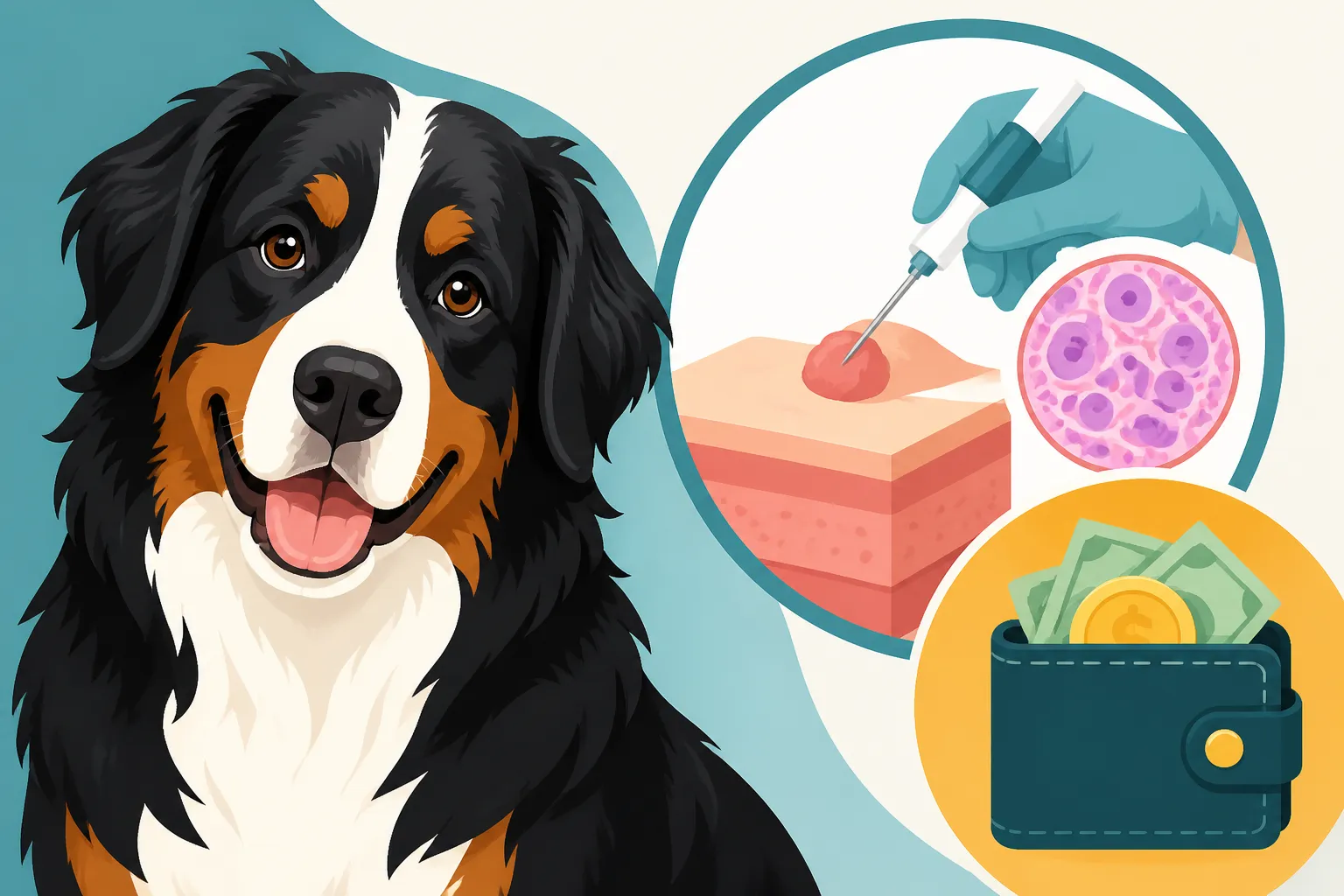
The word "biopsy" can send a shiver down any Bernese Mountain Dog owner's spine. It immediately conjures up fears about your beloved companion's health and, let's be honest, anxieties about the potentially steep veterinary bills that often come with advanced diagnostics. When your vet suggests a biopsy for a new lump, an ongoing internal issue, or something that just doesn't feel right, it’s natural to feel overwhelmed. This guide is here to break down what a biopsy entails for your big, furry friend and, perhaps most importantly, what kind of financial commitment you might be looking at to get those crucial answers.
Understanding the Need for a Biopsy in Your Bernese Mountain Dog
When your Bernese Mountain Dog shows a suspicious symptom, whether it's a new growth, persistent lameness, or unexplained internal issues, a veterinarian's goal is to get a definitive diagnosis. Often, initial tests like bloodwork or X-rays might suggest a problem but can't pinpoint the exact nature of it. This is where a biopsy becomes essential. It's the process of removing a tissue sample from your dog's body for microscopic examination by a veterinary pathologist. This examination is often the only way to distinguish between benign conditions and more serious ones, such as various forms of cancer that are unfortunately common in the breed.
Imagine you've found a lump on your Berner's leg. It's been there for a few weeks, and it's starting to concern you. The vet might first perform a fine needle aspirate, which is quick and less invasive. But if that test is inconclusive, or if the vet suspects something more aggressive like a Histiocytic Sarcoma in a Bernese Mountain Dog, a biopsy is the next logical step. It provides a much larger and more representative tissue sample, allowing the pathologist to identify cell types, grade tumors, and determine if the growth is cancerous and, if so, how aggressive it might be. This information is vital for deciding on the best course of treatment, whether it's surgical removal, chemotherapy, or other palliative care.
The decision to proceed with a biopsy is never taken lightly. It involves a discussion with your veterinarian about the risks, the information they hope to gain, and the potential impact on your Bernese Mountain Dog's health and quality of life. For a breed known for its predisposition to certain health challenges, getting a clear picture early can make all the difference. Sometimes, a biopsy might reveal a perfectly harmless fatty tumor, bringing immense relief. Other times, it might confirm a difficult diagnosis, but at least provides a path forward with informed treatment options.
Different Types of Biopsies and Their Cost Implications
The world of biopsies isn't a one-size-fits-all scenario, and the specific type recommended for your Bernese Mountain Dog will significantly influence the overall cost. Each method has varying levels of invasiveness, requires different types of anesthesia, and involves distinct lab procedures, all of which factor into the final bill.
Fine Needle Aspirate (FNA)
This is often the first step for evaluating lumps and bumps. A very thin needle is inserted into the suspicious mass, and a small sample of cells is aspirated into a syringe. The cells are then spread onto a slide and sent to a lab for cytology. This procedure is minimally invasive, often requires little to no sedation (though a squirmy Berner might need a mild tranquilizer), and can sometimes be done during a regular office visit.
The cost for an FNA is generally the lowest among biopsy types because it avoids the need for general anesthesia and extensive surgical prep. You'll typically pay for the vet's time, the supplies, and the cytology lab fees. While an FNA is quick and cost-effective, it doesn't always yield a definitive diagnosis because the sample size is very small. If the results are inconclusive, or if the vet strongly suspects a serious condition, a more invasive biopsy will be recommended. This initial, lower-cost step can sometimes save you money by ruling out more serious concerns without a full surgical procedure.
Punch Biopsy
A punch biopsy involves using a specialized circular blade to remove a small core of tissue. This method is common for skin lesions or growths that are easily accessible. It provides a more substantial tissue sample than an FNA, increasing the chances of a definitive diagnosis. However, because it removes actual tissue, it requires local anesthesia and sometimes a few stitches to close the small wound. For a very nervous or pain-sensitive Bernese Mountain Dog, light sedation might also be necessary.
The cost of a punch biopsy falls in the mid-range. It includes the local anesthetic, the punch tool itself, any sedation, the closure of the wound, and the histopathology lab fees. While more expensive than an FNA, it’s still less invasive and costly than a full surgical biopsy, making it a good option when an FNA isn't sufficient but a large surgery isn't yet warranted. It's a balance between getting more reliable information and managing procedural costs.
Incisional and Excisional Biopsies
These are the most invasive types of biopsies and therefore carry the highest costs. Both involve surgical procedures performed under general anesthesia. An incisional biopsy removes only a portion of the suspicious tissue, aiming to get a diagnostic sample while minimizing the impact on the mass itself before a full treatment plan is devised. An excisional biopsy, on the other hand, removes the entire mass or lesion along with a margin of healthy tissue. This is often done when the vet is fairly confident the mass is cancerous and wants to remove it completely at the time of biopsy, effectively making the biopsy also the treatment.
These surgical biopsies incur a wide range of costs due to the need for general anesthesia, surgical suite time, sterile supplies, pre-anesthetic bloodwork (especially important when Putting a Hundred Pound Bernese Mountain Dog Under), post-operative pain medication, and comprehensive histopathology. Factors like the size and location of the mass, the complexity of the surgery, and the need for specialized surgical skills can all drive up the price. For a Bernese Mountain Dog, given their size and potential for complications like Bloat in a Deep-Chested Bernese Mountain Dog under anesthesia, these procedures require careful planning and monitoring, which adds to the expense.
| Biopsy Type | Invasiveness Level | Anesthesia Required | Typical Cost Factors | Diagnostic Certainty |
|---|---|---|---|---|
| Fine Needle Aspirate | Minimal | None or light sedation | Vet's time, supplies, cytology lab fee | Low to Moderate |
| Punch Biopsy | Moderate | Local anesthesia +/sedation | Local anesthetic, sedation, surgical supplies, histopathology lab fee | Moderate to High |
| Incisional Biopsy | High | General anesthesia | Anesthesia, surgical suite, vet's time, surgical supplies, histopathology lab fee, post-op care | High |
| Excisional Biopsy | High | General anesthesia | Anesthesia, surgical suite, vet's time, surgical supplies, histopathology lab fee, post-op care, potentially curative | High |
Key Factors Influencing Biopsy Costs for Your Bernese
Beyond the type of biopsy, several other significant factors come into play when determining the total cost for your Bernese Mountain Dog. These can cause the price to vary widely, sometimes even doubling or tripling the initial estimate. It's crucial to discuss these elements with your vet when you're getting a quote.
Geographic Location and Clinic Type
Just like human healthcare, veterinary costs are heavily influenced by where you live. A biopsy performed in a large metropolitan area, such as New York City or Los Angeles, will almost invariably cost more than the same procedure in a rural town or smaller city. This is due to differences in overhead costs, rent, staff wages, and general cost of living.
Moreover, the type of veterinary clinic matters. A general practice veterinary clinic will typically have lower fees than a specialized veterinary oncology or surgical center. While a specialist might offer advanced techniques, equipment, and expertise, those come at a premium. For complex cases or rare conditions in your Bernese, a referral to a specialist might be recommended despite the higher cost, as their focused expertise can lead to a more accurate diagnosis and better outcomes. Your vet should be able to give you an idea of typical costs in your region and whether a specialist is truly necessary.
Anesthesia and Monitoring
For any biopsy requiring general anesthesia, the cost of the anesthesia itself, along with the necessary monitoring during the procedure, is a significant component of the bill. Bernese Mountain Dogs, being large breed dogs, require higher doses of anesthetic agents, which adds to the material cost. Furthermore, monitoring a large dog under anesthesia is critical. This includes continuous monitoring of heart rate, respiration, blood pressure, oxygen saturation, and temperature by a dedicated veterinary technician.
Pre-anesthetic bloodwork is almost always required to ensure your Berner's organs, particularly the liver and kidneys, are healthy enough to process the anesthetic drugs. Any underlying health conditions in your Bernese Mountain Dog, such as a heart murmur or kidney issues, can complicate anesthesia and require more intensive monitoring, further increasing costs. Putting a Hundred Pound Bernese Mountain Dog Under is a serious undertaking, and proper protocols are essential for safety, impacting the overall expense.
Laboratory and Pathologist Fees
Once the tissue sample is collected, it needs to be processed and examined by a veterinary pathologist. This involves preparing the tissue slides, staining them, and then a specialist pathologist interpreting the findings under a microscope. Their expertise is paramount in providing an accurate diagnosis, which is the entire point of the biopsy.
Pathology fees can vary based on the complexity of the case, the urgency of the results (some labs offer rush services at an extra charge), and whether specialized staining or genetic testing is required. For certain types of cancers, like Histiocytic Sarcoma in a Bernese Mountain Dog, additional immunochemistry stains might be needed to confirm the diagnosis, which will add to the lab costs. Some clinics use in-house labs for basic analysis, while others send all samples to external reference laboratories, each with its own pricing structure.
Additional Diagnostic Imaging and Post-Operative Care
Before a surgical biopsy, your vet might recommend additional diagnostic imaging, such as X-rays, ultrasound, or even a CT scan or MRI, to better assess the extent of the mass or to guide the biopsy procedure. For example, if the lesion is internal, an ultrasound might be used to precisely locate the area for biopsy or to determine if the cancer has spread. A Whether a Limping Bernese Mountain Dog Should Be Scanned might reveal bone changes that require a bone biopsy, a more complex procedure. These imaging services come with their own costs, which can significantly add to the total.
After a surgical biopsy, your Bernese Mountain Dog will need post-operative care, including pain medication, antibiotics, and sometimes anti-inflammatory drugs. There will also be follow-up appointments to check the incision site and remove sutures. If complications arise, such as infection or delayed healing, these will incur additional veterinary visits and treatment costs. The larger your Bernese, the more challenging certain aspects of care can be, and ensuring compliance with medication and rest can be a task in itself.
Planning for the Financial Impact: Insurance and Other Considerations
Facing the potential costs of a biopsy for your Bernese Mountain Dog can be daunting, but there are ways to prepare and mitigate the financial strain. Being proactive and understanding your options can make a difficult time a little easier to manage.
The Role of Pet Insurance
Pet insurance can be an absolute lifesaver when unexpected medical issues, like the need for a biopsy, arise. If you have a policy that covers illnesses and accidents, a significant portion of your Bernese Mountain Dog's biopsy costs—from consultations and anesthesia to the lab fees and post-operative care—could be reimbursed. Companies like Healthy Paws are well-regarded for their comprehensive plans, but it's crucial to understand your specific policy's deductible, reimbursement percentage, and annual limits.
However, pet insurance works best when you enroll your dog before any symptoms or diagnoses appear. Most policies have waiting periods, and pre-existing conditions are typically not covered. If your Bernese has already developed a suspicious lump or illness, it might be considered pre-existing, and the biopsy for that particular issue might not be covered. This highlights the importance of Insuring a Bernese Mountain Dog Against Cancer early in their life, especially given the breed's health predispositions. Regularly reviewing your policy and understanding what it covers is key to avoiding unpleasant surprises.
Creating an Emergency Fund
For those without pet insurance, or even as a supplement to it, maintaining a dedicated emergency fund for your Bernese Mountain Dog is an excellent strategy. Setting aside a certain amount each month, even a small one, can accumulate into a substantial buffer for unexpected veterinary expenses. Consider this fund as your dog's personal savings account for healthcare.
An emergency fund gives you the peace of mind that you won't have to make critical decisions about your Bernese's health based solely on financial constraints. Many owners find that knowing they have funds available for diagnostics like The Bernese Mountain Dog Health Panel or emergency procedures helps them feel more prepared for the unpredictable nature of pet ownership. Think about what The Two Years a Bernese Mountain Dog Costs Most might be, typically around ages five to seven when more serious health issues often arise, and try to have funds built up for those times.
Discussing Payment Plans and Financial Aid
Don't hesitate to openly discuss costs with your veterinary team. Many clinics understand the financial burden of advanced veterinary care and can offer various solutions. This might include in-house payment plans, though these are less common for very large bills, or partnerships with third-party financing options like CareCredit. These options allow you to pay off the bill over time, often with deferred interest if paid within a certain period.
Additionally, some breed-specific rescues and national organizations may offer financial assistance for Bernese Mountain Dog owners facing significant veterinary expenses, especially for conditions common to the breed like cancer or joint issues. Resources like the Berner-Garde Database might not directly offer financial aid but often list organizations that do support the breed. It's always worth asking your vet if they are aware of any local or national programs that could help. Even if you regularly get supplies from retailers like Chewy or feed your dog a premium diet from providers like Ollie, these routine expenses are very different from the sudden, high costs of a biopsy, making external aid or financial planning even more important.
What to Expect During and After Your Bernese's Biopsy
Understanding the process involved in your Bernese Mountain Dog's biopsy can help alleviate some of the stress and prepare you for what's to come, both medically and financially.
The Biopsy Procedure Day
On the day of the biopsy, especially if it's a surgical one requiring general anesthesia, your Bernese Mountain Dog will typically need to be fasted for a period beforehand, usually 8-12 hours, to prevent complications like aspiration during anesthesia. Your vet will perform a thorough physical exam and review any pre-anesthetic bloodwork. For big dogs like Berners, this pre-screening is vital to ensure they are good candidates for anesthesia.
Once admitted, your Berner will be sedated, and then general anesthesia will be administered. During the procedure, the veterinary team will monitor their vital signs continuously. The area for the biopsy will be prepped and sterilized. The vet will then perform the specific type of biopsy—FNA, punch, incisional, or excisional—carefully collecting the tissue sample. The Biopsy That Confirms a Bernese Mountain Dog's Diagnosis is a detailed process, and the vet's precision is key to getting a good sample. After the sample is secured and any incisions are closed, your dog will be moved to recovery where they will be closely monitored as they wake up from anesthesia.
Recovery and Waiting for Results
The recovery time for your Bernese will depend heavily on the type of biopsy. An FNA might have no discernible recovery, while a surgical biopsy will require more careful management. You'll likely receive instructions for post-operative care, including wound management, activity restrictions, and medication schedules. Keeping your Bernese calm and preventing them from licking or chewing the incision site is crucial for proper healing. This might mean using an Elizabethan collar (e-collar) or a recovery suit, which adds to the comfort and safety of your dog.
The most challenging part for many owners is the waiting period for the pathology results. This can take anywhere from a few days to a couple of weeks, depending on the lab and the complexity of the case. During this time, it's normal to feel anxious. Your vet will contact you as soon as the results are in to discuss the findings and outline the next steps, whether that's relief at a benign diagnosis, or a conversation about treatment options for a more serious condition. This is often when you'll begin to understand the full scope of any ongoing costs, such as what What Oncology Bills Reach for a Bernese Mountain Dog might look like.
Follow-Up Care and Long-Term Management
Regardless of the biopsy outcome, follow-up care is essential. If the mass was benign, your vet might recommend simply monitoring the area. If a diagnosis of cancer or another serious illness is made, the follow-up will involve discussing treatment protocols, which could range from further surgery, chemotherapy, or radiation, to palliative care. This is a critical time for decision-making, and your vet will guide you through the options, helping you understand the prognosis and the financial implications of each path. Deciding When to Stop Treating a Bernese Mountain Dog is a conversation many owners unfortunately face, and it is a deeply personal one.
Long-term management will vary greatly depending on the diagnosis. It could involve regular check-ups, ongoing medication, or dietary changes. Even if the biopsy yields a good outcome, it's a stark reminder of the importance of Screening an Older Bernese Mountain Dog and maintaining a vigilant approach to their health. Regular vet visits and prompt attention to any new symptoms are key to catching potential issues early and managing them effectively for the best possible quality of life for your cherished Bernese.
Disclaimer
This article is for general informational purposes only and does not constitute professional advice. Laws, prices and regulations vary by location and change over time. Consult a qualified professional for guidance on your specific situation.