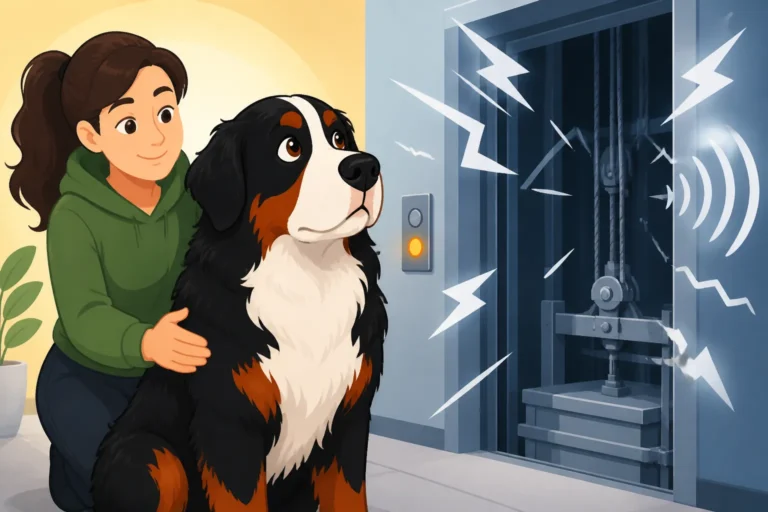
Socializing a Reserved Bernese Mountain Dog Puppy
Bringing home a Bernese Mountain Dog puppy is usually a dream come true, filled with visions of a gentle giant who adores everyone. But sometimes, you find yourself with a little fluffball who seems to shrink back from new experiences, people, or places, leaving you wondering if you're doing something wrong. This comprehensive guide is here to walk you through understanding, supporting, and lovingly socializing your reserved Bernese Mountain Dog puppy so they can grow into a confident, well-adjusted companion.
Understanding Your Reserved Bernese Mountain Dog Puppy
It’s easy to feel a pang of worry when your Bernese puppy isn't the boisterous, outgoing social butterfly you might have imagined. Before we dive into solutions, let's take a moment to really understand what "reserved" might mean for your particular puppy and how it ties into their beautiful breed.
Is "Reserved" the Same as "Shy" or "Fearful"?
This is a really important distinction, and it's one that many new owners grapple with. "Reserved" often describes a dog who is cautious, takes their time to assess new situations, and prefers to observe before engaging. They might not rush up to every new person or dog with tail-wags and licks, but they're not necessarily panicking. They're just discerning. Think of it like a polite person at a party who doesn't immediately jump into the center of attention but is perfectly happy once they've had a moment to take it all in.
"Shy," on the other hand, often implies a deeper level of discomfort. A shy puppy might actively avoid interactions, perhaps ducking behind your legs or turning their head away. They might show subtle signs of stress, like lip-licking, yawning, or panting when faced with new stimuli. If not addressed, shyness can easily escalate into fear.
"Fearful" is a more extreme reaction. A truly fearful puppy might shake, try to escape, vocalize (whining, barking), or even snap if they feel cornered. This isn't just caution; it's a genuine emotional response to perceived threat. It's crucial to identify if your puppy is genuinely fearful, as their socialization approach will need to be even more gentle and gradual. Reading Fear in a Bernese Mountain Dog That Retreats can offer more insights into recognizing these subtle cues. Our goal with a reserved Berner is to build confidence and positive associations before shyness or fear ever takes root.
The Breed's Natural Tendencies
Bernese Mountain Dogs, by their very nature, are often described as good-natured, calm, and loyal. However, the breed standard also sometimes uses words like "self-confident and good-natured, never sharp or shy." This "never shy" part is key. While they are usually tolerant and gentle, they aren't always the "everyone's best friend" type right off the bat, especially as puppies. They were bred as farm dogs in the Swiss Alps, working alongside people and livestock, but perhaps not constantly greeting strangers with effusive enthusiasm.
Some Berners can indeed be naturally a bit more watchful or aloof with people they don't know, a trait that's perfectly acceptable and even desirable within the breed's temperament, as long as it doesn't manifest as fear or aggression. This innate tendency means that early, positive socialization is absolutely paramount. It's not about forcing them to be something they're not, but rather helping them feel secure and comfortable in a wide variety of circumstances, even if they choose to observe from a slight distance rather than dive headfirst into every new encounter. Understanding this inherent disposition helps you set realistic expectations and tailor your socialization efforts to their unique personality.
The Critical Window: Early Socialization Done Right
You've heard it a million times, but it bears repeating: those first few months of a puppy's life are incredibly influential. For a reserved Bernese Mountain Dog puppy, this window isn't just important; it's absolutely critical for shaping their adult personality and their ability to cope with the world.
Why the First Few Months Matter Immensely
Puppies go through various developmental stages, and the "socialization period," typically between 3 and 16 weeks of age, is when their brains are like sponges, absorbing information and forming associations at an incredible rate. During this time, positive exposures to new sights, sounds, smells, people, and other animals are paramount. For a reserved puppy, every single interaction carries more weight because they are naturally more sensitive. A negative experience during this time can have a lasting impact, potentially solidifying their cautious nature into true fear or anxiety.
Think of it as laying the foundation for a skyscraper. If the foundation is weak or incomplete, the building might stand, but it will always be prone to instability. For your Bernese puppy, a robust and positive socialization foundation means they'll be better equipped to handle novel situations throughout their life. It means they'll learn that the world is generally a safe and interesting place, full of things to explore rather than fear. Skipping or rushing this crucial period, especially with a naturally reserved dog, can lead to a dog who is perpetually anxious about new things, barks at strangers, or is uncomfortable in busy environments. What a Bernese Mountain Dog Puppy Should Meet Early delves deeper into the types of experiences beneficial during this time.
Quality Over Quantity in Puppy Experiences
This is perhaps the most vital principle when socializing a reserved Bernese puppy. It's not about bombarding them with every possible stimulus, but rather carefully orchestrating positive, gentle, and controlled exposures. One bad experience can undo weeks of good work, especially for a sensitive soul.
Imagine this scenario: you want your puppy to be good with kids. A "quantity" approach might be taking your puppy to a busy park and letting a group of loud, excited children swarm them. Even if well-intentioned, this could overwhelm a reserved Berner puppy, leading to a negative association with children for life. A "quality" approach would be to introduce your puppy to one calm, dog-savvy child in a quiet environment. Have the child sit on the floor, offer a high-value treat, and let the puppy approach when they are ready. The child should ignore the puppy initially, letting curiosity win out. This calm, positive interaction, even if brief, builds a much stronger and healthier foundation.
This principle extends to all areas of socialization. Instead of a chaotic dog park filled with unknown dogs and energy levels, opt for controlled playdates with known, stable, vaccinated adult dogs who are good with puppies. Instead of dragging your puppy through a loud, bustling street fair, start with a quiet walk around a less busy block, gradually increasing the complexity of the environment. Always prioritize your puppy's comfort, keep sessions short, and end on a positive note, even if it means cutting an interaction short. Use high-value treats (like small pieces of cooked chicken or cheese) to create strong positive associations with new experiences.
| Aspect of Socialization | Quality Approach (Recommended for Reserved Berners) | Quantity Approach (Potentially Harmful) |
|---|---|---|
| People | One calm, quiet stranger offering treats, letting puppy approach at own pace. | Group of loud, excited strangers crowding and petting forcefully. |
| Environments | Short, calm walks in quiet areas; gradual exposure to gentle sounds/sights. | Dragging puppy to a bustling fair or loud construction zone. |
| Other Dogs | Supervised play with known, gentle adult dogs; controlled puppy classes. | Uncontrolled off-leash park with unknown, boisterous dogs. |
| Sounds | Low-volume recordings of common sounds, paired with treats and play. | Sudden, unexpected exposure to loud, jarring noises without warning. |
| Handling | Gentle, short grooming/vet checks with positive reinforcement. | Forceful restraint or unpleasant procedures without preparation. |
| Duration | Brief, positive sessions (5-10 minutes), ending on a high note. | Extended, overwhelming sessions where the puppy becomes visibly stressed. |
Practical Steps for Building Confidence
Once you understand the importance of quality over quantity, it's time to put that into practice. Building confidence in a reserved Bernese Mountain Dog puppy requires patience, consistency, and a keen eye for their comfort level.
Controlled Encounters with People
Your Bernese puppy needs to learn that humans are generally kind and safe, even new ones. For a reserved puppy, this means making every introduction positive and low-pressure. Don't let well-meaning friends or strangers rush up to your puppy, lean over them, or grab at them. This is often the biggest mistake people make, and it can scare a cautious puppy.
Instead, when introducing your puppy to a new person, ask the person to crouch down or even sit on the floor, making themselves less imposing. Have them offer a very high-value treat (something truly irresistible, like small bits of cooked chicken or cheese) with an open hand, palm up. Critically, instruct the person to ignore the puppy initially. No direct eye contact, no reaching, no talking directly to the puppy. Let the puppy approach on their own terms. If the puppy takes the treat and then retreats, that's okay. Don't push it. You want the puppy to associate new people with positive outcomes (tasty treats, no pressure) rather than scary invasions of space. Keep these encounters short and sweet, always ending before your puppy shows signs of discomfort. Teaching Strangers How to Greet a Bernese Mountain Dog offers more in-depth advice on this. With consistent positive interactions, your Berner will learn that new faces bring good things.
Navigating New Environments and Sounds
The world is full of new places and sounds, and it can be overwhelming for a reserved puppy. The key here is gradual exposure and positive association. Start small. Take your puppy to a quiet, new location for a few minutes. Maybe it's a calm corner of a local park or a friend's quiet backyard. Let them explore at their own pace. Bring treats and a favorite toy. Praise them for showing any curiosity.
As they become comfortable, gradually increase the complexity. Drive to a quiet shopping center parking lot and just sit in the car with your puppy, windows down, letting them observe the sounds and sights from a safe distance. Give them treats for being calm. Then, maybe a short walk on the perimeter. The goal isn't to force them into the hustle and bustle, but to show them that these places exist and aren't inherently threatening.
When it comes to sounds, sudden loud noises can be particularly startling. You can use sound desensitization techniques at home. Play recordings of common sounds – city traffic, crying babies, thunder, sirens – at a very low volume while your puppy is relaxed and engaged in a fun activity or eating a meal. Gradually increase the volume over days or weeks, always ensuring your puppy remains comfortable. If they show any signs of stress, lower the volume or stop the session. This helps them build resilience to everyday noises without being traumatized.
Positive Interactions with Other Dogs
For a reserved Bernese Mountain Dog puppy, interactions with other dogs need to be carefully curated. Avoid chaotic environments like dog parks, especially in the early stages, as a bad experience there can be incredibly damaging. Instead, arrange controlled playdates with vaccinated, calm, and well-socialized adult dogs who have a history of being good with puppies. A mature, stable dog can teach a reserved puppy a lot about appropriate canine social cues without being overbearing.
Observe the interaction closely. Is your puppy initiating play, or constantly trying to disengage? Are they comfortable, or are they showing signs of stress? Keep play sessions short, especially if your puppy tires easily or becomes overwhelmed. If your puppy seems to be enjoying themselves, that's fantastic! If they start to hide or appear stressed, it's time for a break.
Puppy classes led by experienced, positive reinforcement trainers are also an excellent option. These classes are typically designed with safe, supervised playtimes that help puppies learn appropriate social behavior. The trainers can also offer valuable insights into your puppy's specific body language and guide you on when to intervene or allow interactions to continue. Whether a Bernese Mountain Dog Suits a Dog Park provides more detail on why dog parks aren't always ideal.
Tools and Techniques to Support Socialization
Socializing a reserved Bernese Mountain Dog isn't just about exposure; it's about how you facilitate that exposure. The right tools and techniques can make all the difference in building a confident, happy companion.
Harnessing Positive Reinforcement
Positive reinforcement is your absolute best friend when working with any dog, but especially a sensitive, reserved Bernese. This means rewarding desired behaviors with something your puppy loves, whether it's high-value treats, praise, or a favorite toy. The goal is to create positive associations with new experiences. If your puppy approaches a new person and takes a treat, that's a win! Lavish them with praise and another treat. If they calmly observe a new sight, reward that calm behavior.
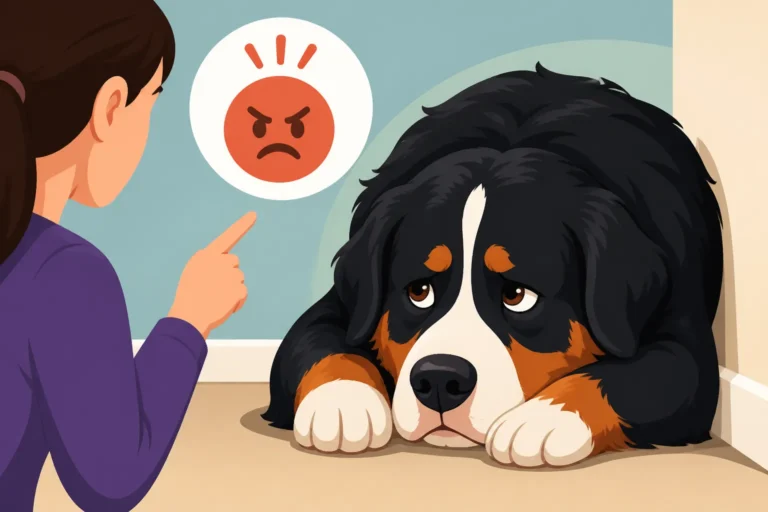
Never, ever punish your reserved Bernese puppy for being cautious or fearful. Punishing fear will only intensify it and teach them to suppress their natural reactions, which can lead to unpredictable behavior later on. If your puppy is exhibiting fear, gently remove them from the situation, give them space, and try again later with less intensity. Focus on rewarding brave, curious, and calm behaviors. You're teaching them that being confident and engaging with the world brings good things. This consistent approach helps them trust you implicitly and feel safe exploring under your guidance. Remember, The Bernese Mountain Dog That Quits After One Correction highlights just how sensitive these dogs can be to harsh methods.
Training Programs and Online Resources
Sometimes, navigating the world of puppyhood and socialization can feel overwhelming, and that's okay! There are fantastic resources available to guide you. Online training programs can be particularly helpful, especially for those living in areas with limited access to in-person classes or for puppies who are too reserved for a busy class setting initially. Programs like BAXTER & Bella offer comprehensive online puppy training and socialization courses that you can do at your own pace, in the comfort of your home. They provide structured lessons, live Q&A sessions, and a supportive community, allowing you to build your puppy's confidence gradually before tackling more public environments.
Beyond structured programs, a quick browse on Amazon can reveal a treasure trove of useful tools. Look for engaging puzzle toys that can distract and reward your puppy in new environments, high-quality treat pouches for easy access to rewards during outings, or even calming pheromone diffusers for their crate or resting area. These supplementary items can make your socialization efforts smoother and more effective. Just ensure that any tools you use are designed for positive reinforcement and don't rely on force or fear.
When to Seek Professional Guidance
Despite your best efforts, some reserved Bernese Mountain Dog puppies might need a little extra help. If your puppy's reserved nature is leaning more towards consistent shyness, or if they are showing signs of genuine fear (excessive shaking, cowering, hiding, aggression), it's time to bring in a professional. A certified professional dog trainer (CPDT-KA) or a veterinary behaviorist (DACVB) can assess your puppy's specific temperament and provide a tailored plan.
They can help you understand the nuances of your puppy's body language, identify triggers, and teach you advanced techniques for counter-conditioning and desensitization. Sometimes, there might be an underlying anxiety that medication could help manage, especially if the fear is severe and significantly impacting your puppy's quality of life. Don't view seeking professional help as a failure; it's a proactive and loving step towards ensuring your Bernese has the best possible chance at a happy, confident life. Whether a Reserved Bernese Mountain Dog Copes in Class is a good read if you're wondering about group class suitability.
Common Pitfalls and How to Avoid Them
Socializing a reserved Bernese Mountain Dog puppy can be a delicate dance. It’s easy to inadvertently make mistakes that can set them back. Being aware of these common pitfalls can help you navigate the process more effectively.
The Danger of Overwhelm
One of the biggest mistakes well-meaning owners make is trying to do too much, too fast. We often hear advice about exposing puppies to "100 different things" by a certain age, but for a reserved Bernese, this can be a recipe for disaster. Overwhelm happens when a puppy is exposed to too many new stimuli, too intensely, or for too long. Signs of overwhelm can include:
- Excessive yawning, lip-licking, or panting (stress signals)
- Trembling or tucking their tail
- Trying to hide or escape
- Refusing treats (a big red flag for a Berner!)
- Freezing in place or becoming unresponsive
If you see these signs, it's crucial to immediately remove your puppy from the situation and let them decompress in a safe, quiet space. Pushing a puppy beyond their comfort zone doesn't make them braver; it often makes them more fearful and less trusting of you. Remember the quality over quantity rule: aim for brief, positive exposures and always end on a good note. It’s better to have five successful, short outings than one long, traumatic one.
Avoiding Punishment or Force
This point is so critical for a reserved Bernese that it deserves its own section. A sensitive breed like the Bernese Mountain Dog, when displaying caution or fear, responds incredibly poorly to punishment or force. Yelling at your puppy for barking at a stranger, tugging forcefully on their leash when they hesitate to approach a new object, or physically forcing them into an interaction will not make them more confident. Instead, it teaches them:
- You are a source of fear/discomfort: Your puppy will start to associate scary situations with your presence, damaging your bond and their trust in you.
- Their natural reactions are wrong: They will learn to suppress their fear, which can lead to "sudden" aggressive outbursts later when they feel they have no other warning signals left.
- New experiences are terrifying: It reinforces the idea that the world is a dangerous place.
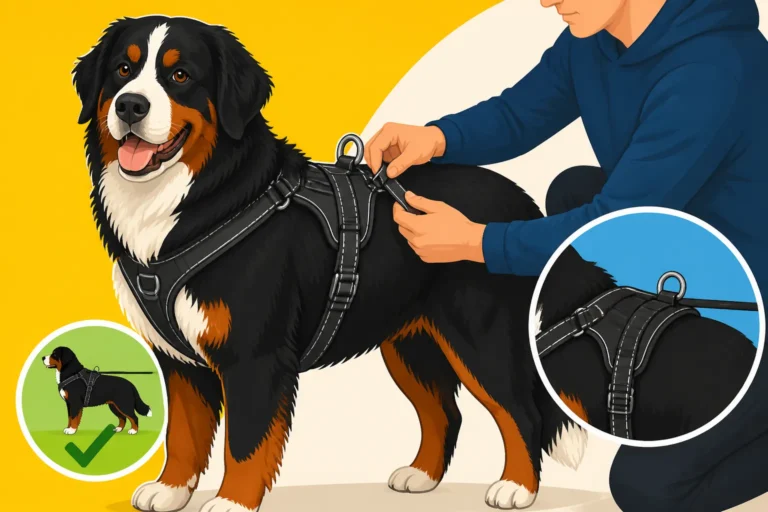
Instead, always rely on positive reinforcement. If your puppy is unsure, give them space, lure them with a treat, or simply remove them and try a different, less intense approach next time. Use a comfortable harness (many excellent options are available on Amazon) rather than a harsh collar, to ensure any pressure is distributed safely and comfortably. Your Berner needs to feel safe and supported by you, not afraid of your reactions.
Managing Family and Friends' Expectations
The classic Bernese charm makes everyone want to greet and pet them. This can be a huge challenge when you have a reserved puppy who needs gentle introductions. It's often difficult to tell well-meaning family and friends, "Please don't rush him," or "Let her come to you." Yet, it's absolutely essential for your puppy's successful socialization.
Have a clear script ready. "He's still a puppy and a bit shy, so we're working on slow introductions. Could you please ignore him for a moment and then gently toss him a treat if he approaches?" Or, "She's learning that new people are good, so if you could just sit down and not make eye contact for a bit, she'll probably come say hello when she's ready." Carry high-value treats and hand them out to people to give to your puppy. This not only controls the interaction but also gives your puppy a positive association with new people.
Educate those around you about canine body language, especially the subtle signs of stress that a reserved Berner might display. Explain that a calm, confident dog who chooses to interact is far better than a stressed dog who is forced into interaction. Protecting your puppy's mental well-being during these critical stages is your top priority. Remember that The Bernese Mountain Dog That Leans on Everyone often develops that comfort and trust over time, not through forced interactions.
Disclaimer
This article is for general informational purposes only and does not constitute professional advice. Laws, prices and regulations vary by location and change over time. Consult a qualified professional for guidance on your specific situation.