Grooming a Bernese Mountain Dog Too Big to Lift
The sheer size of a Bernese Mountain Dog is undeniably part of their charm, but when it comes to grooming, that hundred-pound-plus body can feel like an immovable mountain, especially if you're trying to lift them into a tub or wrestle them onto a grooming table. Many Berner owners face the daunting reality of a dog too large to easily manage during baths, brushing, and nail trims, leading to frustration and often neglected coats. This comprehensive guide will walk you through practical strategies, essential tools, and helpful tips to groom your magnificent Bernese Mountain Dog without needing a forklift, ensuring both you and your furry companion have a more positive and manageable experience.
Understanding the Bernese Coat's Unique Demands
Before we dive into the nitty-gritty of grooming, it's crucial to truly understand the magnificent coat your Bernese Mountain Dog wears. It's not just long and beautiful; it's a finely tuned system designed by centuries of evolution to protect them from the harsh Swiss elements. This understanding is the first step toward effective and less strenuous grooming.
The Double Coat's Purpose and Pitfalls
Your Bernese Mountain Dog sports a luxurious double coat, consisting of a longer, slightly wavy or straight outer coat and a thick, woolly undercoat. The outer coat acts as a protective barrier, shedding water and dirt, while the dense undercoat provides insulation, keeping them warm in winter and surprisingly helping to regulate body temperature in milder weather by trapping cool air. This incredible natural insulation is also why The Case Against Shaving a Bernese Mountain Dog in June is so important—shaving can actually disrupt their natural cooling system and expose delicate skin to sunburn.
However, this wonderful double coat is also the source of many grooming challenges. The density means it easily traps loose hair, dirt, debris, and moisture close to the skin. If not regularly brushed, the undercoat can quickly become a matted mess, especially in areas where friction occurs. These mats can pull at the skin, causing discomfort and pain, and can lead to skin infections if left untended. Imagine trying to untangle a ball of yarn the size of a dinner plate from your own hair – that's what a large mat feels like to your Berner.
Seasonal Shedding Cycles
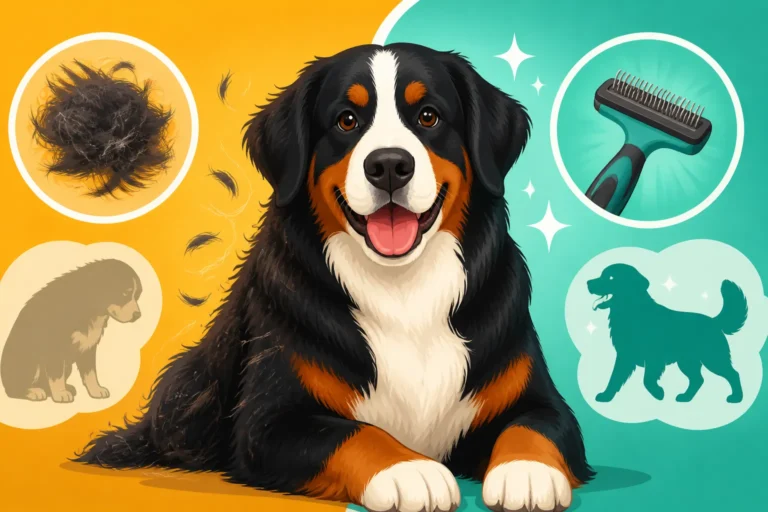
Bernese Mountain Dogs are renowned for their shedding, and it's not a myth – they shed, and they shed a lot. This shedding isn't constant at the same intensity throughout the year, but rather follows distinct seasonal cycles. You'll typically experience two major "blows" of coat annually: once in the spring as they shed their thick winter undercoat in preparation for warmer weather, and again in the fall to make way for a new, denser winter coat. During these periods, it can feel like you're literally raking handfuls of hair off your dog daily, and you often are! The Bernese Mountain Dog Shed and What It Fills isn't an exaggeration; it can truly feel like it fills your home.
Even outside these major shedding seasons, Bernese Mountain Dogs still shed moderately year-round. Regular brushing is your best defense against having your home completely taken over by Berner tumbleweeds. Consistent removal of dead hair not only keeps your home cleaner but also prevents mats from forming and keeps your dog's skin healthy by allowing it to breathe. Neglecting this routine during shedding season can quickly turn a manageable situation into an overwhelming, matted catastrophe that might require professional intervention.
Common Areas for Mats and Tangles
Given their dense coat and active lifestyle, certain areas on a Bernese Mountain Dog are practically magnet for mats and tangles. Knowing these hotspots allows you to be proactive and give them extra attention during your grooming sessions. The areas behind the ears are notorious for developing The Felt That Forms Behind a Bernese Mountain Dog's Ear. This spot often goes unnoticed until it's a solid mass, painful to brush out. The "trousers" on their hind legs and the feathering on their legs are also prone to tangles, picking up burrs, mud, and debris, leading to knots and mats, especially Tangles Behind a Bernese Mountain Dog's Elbows.
Other common problem areas include the armpits, the chest, the tail plume, and any area where harnesses or collars rub. Moisture, dirt, and friction are the perfect recipe for mat formation. After a walk, especially in damp weather, always check these areas. If you feel a clump or resistance when running your fingers through the coat, it’s likely the start of a mat that needs immediate attention. Addressing small tangles before they become massive, painful mats is key to keeping grooming manageable and comfortable for your large companion.
Essential Grooming Tools for a Giant Breed
Attempting to groom a Bernese Mountain Dog without the right tools is like trying to chop down a tree with a butter knife – ineffective and frustrating for everyone involved. Investing in quality, breed-appropriate grooming equipment is not just a luxury; it's a necessity when you have a large, double-coated dog. Having the right arsenal will save you time, effort, and prevent unnecessary discomfort for your Berner.
Brushes, Rakes, and Combs
For a Bernese Mountain Dog, a single brush simply won't cut it. You'll need a combination of tools to effectively manage their unique coat.
First, a good quality slicker brush is excellent for general brushing and smoothing the topcoat, helping to remove loose hair and minor tangles. Look for one with coated tips to prevent scratching your dog's skin.
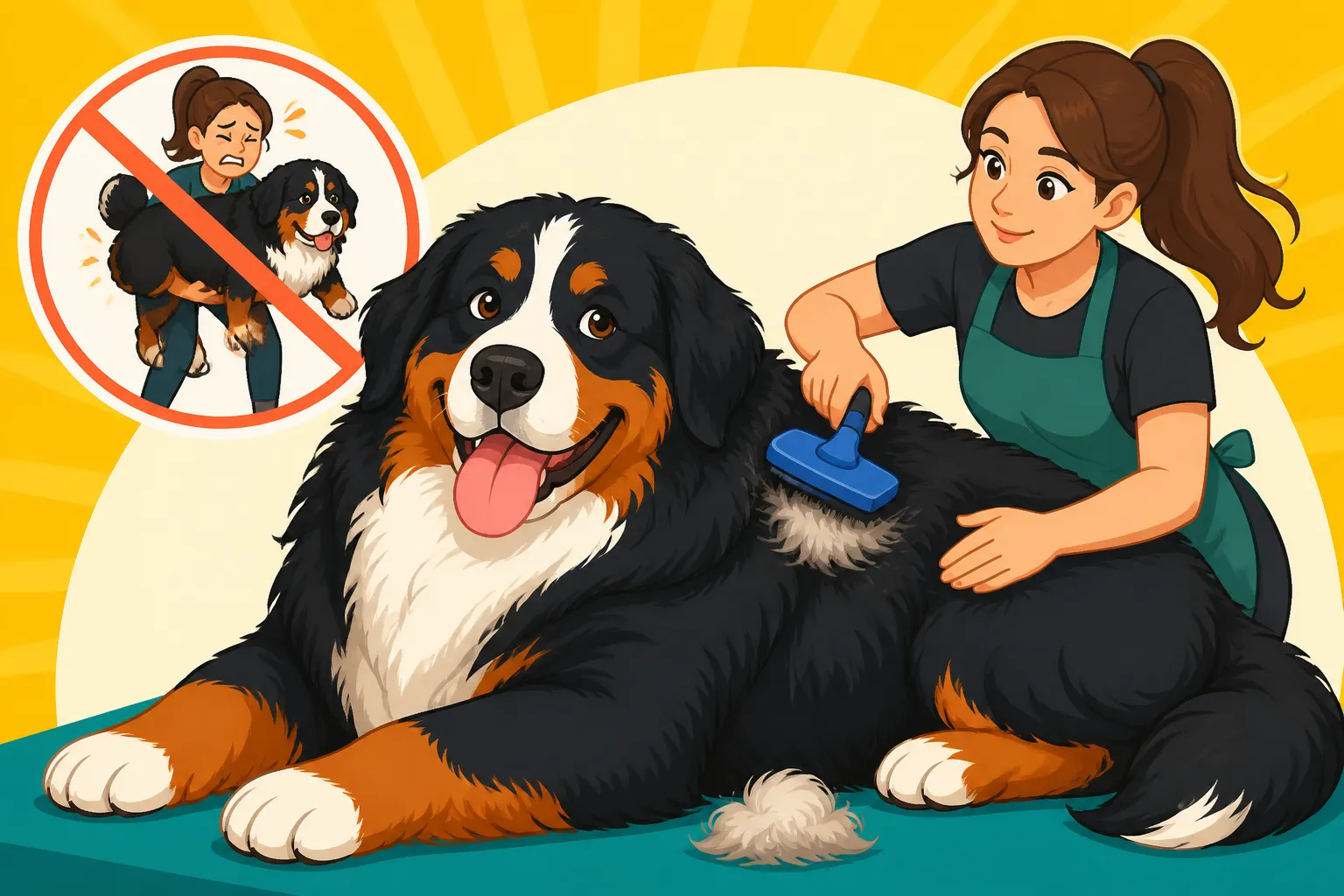
Second, and arguably most important, is an undercoat rake. This tool is specifically designed to penetrate the topcoat and reach down into the dense undercoat, pulling out all that dead, loose hair that would otherwise form mats. When selecting a rake, consider one with rotating teeth, as these can be more comfortable for your dog and prevent pulling. Regular use of an undercoat rake, particularly during shedding seasons, is crucial for Brushing Out a Bernese Mountain Dog's Undercoat effectively. Brands like Furminator offer popular shedding tools, but many other high-quality rake options are available on platforms like Chewy or Amazon.
Finally, a sturdy metal comb with both wide and fine teeth is indispensable for checking your work and for carefully working out smaller tangles. Use the wide-toothed side first, then the finer side to ensure the coat is smooth and free of knots all the way to the skin.
Nail Care Essentials
Neglecting nail care on a large breed like a Bernese Mountain Dog can lead to serious health issues, including splayed toes, painful walking, and even skeletal problems as they shift their weight to compensate. Long nails are not only uncomfortable but can also make it difficult for your Berner to get proper traction on hard surfaces, leading to slips and falls.
You'll need a heavy-duty nail clipper or a grinder designed for large breeds. Scissor-style clippers or guillotine clippers are both options; it really comes down to what you feel most comfortable using. For many Berner owners, a Dremel-style nail grinder is a game-changer. It allows you to gradually file down the nail, reducing the risk of cutting into the quick (the sensitive part of the nail that bleeds). If you opt for clippers, always have styptic powder on hand just in case you cut a little too deep. The biggest challenge with black nails is seeing the quick, making careful, gradual trimming or grinding essential. Cutting a Bernese Mountain Dog's Nails Without a Fight often requires patience, positive reinforcement, and starting early in puppyhood.
Shampoos, Conditioners, and Drying Aids
Bathing a Bernese Mountain Dog is an undertaking, and the right products can make a huge difference in the outcome and your effort.
Look for a high-quality shampoo specifically formulated for dogs, preferably one that is moisturizing and perhaps designed for double coats. Avoid human shampoos, as they can be too harsh and disrupt your dog's skin pH. A good conditioner is also vital to help soften the coat, making it easier to brush and reducing static, which can contribute to tangles.
Given their size, a diluted shampoo and conditioner system can help ensure even distribution and easier rinsing. You'll also want an abundance of super-absorbent towels. Microfiber drying towels can significantly cut down on initial drying time. However, for a Bernese, even several towels won't be enough to get them truly dry. This is where a high-velocity force dryer comes in. This isn't a human hairdryer (which can burn their skin); it's a powerful blower that blasts water out of the coat. This tool is a lifesaver for quickly and thoroughly drying a thick-coated dog, helping prevent mildew and skin issues that can arise from incomplete drying. Many great options for these products can be found on Chewy.
Creating a Grooming Routine That Works for You
Consistency is the absolute cornerstone of successful Bernese Mountain Dog grooming. Trying to tackle a completely matted, neglected coat once a month is a recipe for disaster and discomfort. Instead, break down the daunting task into smaller, more manageable regular habits. This approach not only keeps your Berner looking their best but also transforms grooming from a stressful ordeal into a bonding experience.
Daily Brushing Habits
While a full groom isn't necessary every day, a quick daily brush-through is highly recommended. Think of it as preventative maintenance for their coat. Just 5-10 minutes each day can make a world of difference. Focus on those problem areas: behind the ears, armpits, trousers, and the feathering on their legs. Use your slicker brush to remove any surface dirt and loose hair, then follow with your metal comb to ensure no small tangles are starting to form.
This daily ritual does more than just keep mats at bay. It gets your Bernese Mountain Dog accustomed to being handled, touched, and brushed, making longer grooming sessions much easier. It also allows you to check their skin for any lumps, bumps, or irritations that might need veterinary attention. Plus, it's a lovely opportunity for quiet connection and petting, reinforcing your bond. Even if it's just a quick run-through while you're watching TV, the consistency will pay dividends.
Weekly and Monthly Tasks
Beyond daily brushing, there are weekly and monthly tasks that form the backbone of a comprehensive grooming routine for your Bernese.
Weekly: Dedicate at least one longer session, perhaps 30-60 minutes, to a thorough brushing with your undercoat rake. Work in sections, ensuring you're getting all the way down to the skin to remove dead undercoat. This is where you really prevent the formation of large mats. Also, weekly checks of their ears for redness or odor, and a quick wipe with a dog-safe ear cleaner, are important. If their nails are growing quickly, this might also be the time for a quick trim or grind.
Monthly: This is typically when most Bernese Mountain Dogs need a bath, depending on their activity level and how dirty they get. For a dog that fills a tub, plan this well in advance. Following the bath, a thorough blow-dry and extensive brushing are essential. This monthly session is also a good time for a more in-depth check of their teeth, eyes, and paw pads. Remember, What a Bernese Mountain Dog Groom Costs can be substantial if you opt for professional services, making a consistent home routine a smart financial choice, too.
The Importance of Consistency and Patience
The phrase "Rome wasn't built in a day" certainly applies to grooming a Bernese Mountain Dog. You can't expect your dog to instantly love grooming if it's only done when they're already matted and uncomfortable. Start grooming tasks, even just gentle handling and light brushing, from puppyhood. Keep sessions short, positive, and always reward your dog with praise and high-value treats. I've found that even a few small pieces of freeze-dried beef liver or a dollop of peanut butter on a Lickimat can work wonders for keeping a Berner engaged and calm during grooming.
If your Berner is already resistant to grooming, you'll need a systematic approach to desensitization. Break down the process into tiny steps and reward heavily for compliance. For example, just touching their paw might be step one. Then touching with the clipper, then a single clip, and so on. Never force your dog, as this can create a negative association that makes future grooming even harder. A consistent, patient approach builds trust and helps your Bernese understand that grooming is a normal, non-threatening part of their life.
| Grooming Task | Frequency | Key Tools | Benefits |
|---|---|---|---|
| General Brushing | Daily | Slicker brush, Metal comb | Removes loose hair, prevents minor tangles, bonding, skin checks |
| Undercoat Raking | Weekly | Undercoat rake | Prevents mats, reduces shedding, promotes healthy skin and coat |
| Nail Trimming/Grind | Weekly/Bi-weekly | Large dog nail clippers, Dremel grinder | Prevents splayed toes, improves posture, comfortable walking |
| Ear Cleaning | Weekly | Dog-safe ear cleaner, Cotton balls | Prevents infections, checks for irritations |
| Full Bath & Dry | Monthly | Dog shampoo/conditioner, High-velocity dryer | Deep cleans coat, removes allergens/dirt, prevents skin issues |
| Dental Check | Monthly | Toothbrush, Dog toothpaste | Checks for gum disease, fresh breath, overall health |
Bathing a Bernese Mountain Dog That Fills a Tub
The image of a fluffy, wet Bernese Mountain Dog in a standard bathtub is often a comedic one for those who've tried it – usually resulting in a soaked bathroom and a still-dirty dog. Because they're Bathing a Bernese Mountain Dog That Fills a Tub, you need a strategy that acknowledges their size and manages the logistical challenges.
Pre-Bath Preparation
Before you even think about turning on the water, a significant amount of preparation needs to happen. First and foremost, brush your Bernese thoroughly! This is non-negotiable. Any mats or tangles that are present before the bath will only get tighter and harder to remove once wet, making the post-bath brush-out a nightmare. Use your undercoat rake and metal comb to ensure the coat is as tangle-free as possible.
Gather all your supplies: shampoo (diluted in a pitcher for easier application if you wish), conditioner, plenty of towels, cotton balls for their ears (to prevent water from getting in), and a non-slip mat for the tub or wash area. Consider where you'll bathe them. A walk-in shower, a utility sink, or even bathing them outdoors in warm weather with a hose and a large plastic tub can be more practical than trying to hoist them into a traditional bathtub. If bathing indoors, lay down old towels or bath mats to absorb splashing and give yourself traction. Having treats ready for positive reinforcement is also a great idea.
The Actual Bathing Process
Once prepared, slowly introduce your Berner to the water. A handheld shower sprayer is invaluable for thoroughly wetting and rinsing their thick coat. Start from the neck down, making sure the water penetrates all the way to the skin. Apply the diluted shampoo, working it in with your hands. Pay special attention to their belly, legs, and undercarriage, which tend to get the dirtiest. Many Berner owners find it helpful to use a large sponge or even a rubber curry brush to really work the shampoo through the dense fur. Remember, you're not just cleaning the surface; you need to clean the undercoat too.
Rinsing is perhaps the most critical step and often the most challenging due to their dense coat. You must rinse, rinse, and rinse again until the water runs completely clear and you feel no suds when squeezing the coat. Any shampoo residue left behind can cause skin irritation, itching, and lead to dull fur. This is where the handheld sprayer truly shines, allowing you to direct powerful streams of water deep into the coat. Be patient; this step often takes longer than the actual washing.
Safety and Comfort During the Bath
Ensuring your Bernese Mountain Dog feels safe and comfortable during the bath is paramount, especially if they are already wary of water or the process. Use lukewarm water – not too hot, not too cold. Speak to them in a calm, reassuring voice. If you're bathing them in a tub, a non-slip mat will prevent them from slipping and potentially injuring themselves or becoming scared. For particularly anxious dogs, a lick mat smeared with peanut butter or a soft cheese spread stuck to the shower wall can be a fantastic distraction, keeping them occupied and happy while you work.
If you're finding it difficult to manage their size and strength, consider using a grooming loop or a leash attached to a secure anchor point to keep them gently in place, preventing them from jumping out or spinning uncontrollably. Never leave your Berner unsupervised during a bath, even for a moment. If you're physically struggling, don't be afraid to enlist a second pair of hands. A partner can help steady the dog, offer praise, or assist with rinsing. Making bath time a positive, calm experience will go a long way in ensuring future cooperation.
Drying a Bernese Mountain Dog: The Never-Ending Task
After the monumental effort of bathing your Bernese Mountain Dog, you might think the hard part is over. Oh, if only! Drying a Berner's thick double coat is a whole other challenge, and doing it properly is vital to prevent skin issues like hot spots, mildew, and matting. How Long a Wet Bernese Mountain Dog Takes to Dry naturally can be hours, even a full day, leading to a lingering damp smell and potential problems.
Towel Drying Strategies
The first step after rinsing is to remove as much excess water as possible with towels. Don't just dab; gently squeeze sections of the coat to press the water out. Have a stack of clean, absorbent towels ready. Microfiber towels designed for pets are particularly effective at wicking away moisture. You'll likely go through several towels, especially with a large Berner. Wrap them in a large towel like a burrito and let them shake off some water outside if possible, but be prepared for a wide spray!
While towel drying helps significantly, it's merely the first pass. Their dense undercoat retains a surprising amount of water. Towel drying alone is rarely sufficient to get them completely dry, and attempting to air dry a Bernese Mountain Dog, particularly indoors, can take an incredibly long time and leave them feeling perpetually damp. In cooler weather, allowing them to remain damp for too long can also put them at risk of getting chilled.
The Power of a High-Velocity Dryer
For a Bernese Mountain Dog, a high-velocity force dryer (also known as a "blaster") is not a luxury; it's a game-changer and arguably the most crucial drying tool. These dryers are designed to push water out of the coat with a powerful stream of unheated or lightly heated air. Unlike human hairdryers, they won't burn your dog's skin, and they are incredibly efficient.
Start by introducing the dryer slowly, especially if your Berner is new to it. Many dogs are initially wary of the noise and sensation. Turn it on low, away from them, and offer treats. Gradually bring it closer. Direct the nozzle towards the coat, lifting sections of fur to ensure the air reaches the skin. Work in small sections, moving the dryer constantly to prevent skin irritation. As you dry, use a brush or comb to gently work through the coat, helping to separate the hairs and speed up the drying process. You'll be amazed at how much water these dryers literally blast off your dog.
Ensuring Full Dryness to Prevent Skin Issues
Incomplete drying is a leading cause of skin problems in double-coated breeds. Trapped moisture against the skin creates a warm, humid environment that is a breeding ground for bacteria and fungi, leading to hot spots, yeast infections, and a general musty "wet dog" smell that persists for days. It's especially critical to ensure the undercoat is bone dry.
Continue using the force dryer until you can no longer feel any dampness when you fluff their fur. Pay extra attention to dense areas like the ruff, the tail, the armpits, and the "trousers." Run your fingers deep into their coat to check for any residual dampness. A properly dried Bernese Mountain Dog will feel light, airy, and their coat will lie beautifully. This thorough drying not only promotes skin health but also makes their coat much easier to brush and maintain until the next bath. While it's a lengthy process, the peace of mind knowing your Berner is truly dry and healthy is worth every minute.
Addressing Specific Grooming Challenges in a Large Dog
Grooming a Bernese Mountain Dog isn't just about general brushing and bathing; it involves tackling specific challenges that arise from their coat type, size, and sometimes their reluctance. Being prepared for these common issues can prevent them from becoming overwhelming problems.
Tackling Stubborn Mats and Undercoat
Despite your best efforts, mats can and sometimes will happen. For stubborn Mats in a Bernese Mountain Dog's Ruff or other areas, never try to pull them out with a regular brush, as this is incredibly painful for your dog. Instead, you'll need a systematic approach.
First, try to gently separate the mat with your fingers. If it's a surface mat, a detangling spray designed for dogs can help loosen the hair. Work from the outside edges of the mat inward, using a metal comb or a special mat-breaking tool. A seam ripper can be surprisingly effective for carefully splitting mats into smaller sections, making them easier to brush out. Always hold the hair at the base of the mat close to the skin to minimize pulling on your dog's skin while you work.
For truly dense, felted mats, especially if they are large and close to the skin, sometimes the kindest option is to carefully cut them out. Cutting a Mat Out of a Bernese Mountain Dog's Coat requires extreme caution. Use blunt-nosed scissors, point them away from the skin, and always place a comb between the mat and the skin as a guard to prevent accidental nicks. If you're uncomfortable or the mats are extensive, it's always best to seek professional help from a groomer or veterinarian. They have specialized tools and expertise to remove mats safely without injuring your dog.
Conquering Nail Trims
Trimming the nails of a hundred-pound Bernese Mountain Dog can be intimidating, both for you and your dog. Their thick, often black nails make it hard to see the quick, and a bad experience can make future trims a battle.
Start by creating a positive association. Let your Berner sniff the clippers or grinder, give a treat, and put them away. Repeat this several times over days. Then, touch their paws, then touch the nails with the tool, always rewarding. When you're ready to trim, take off tiny slivers at a time, or use the grinder in short bursts. Err on the side of caution; it's better to do frequent, small trims than one large, potentially painful one. For black nails, look at the underside of the nail. As you trim, you'll see a white or grey ring, then a small black dot appears in the center – that's the quick. Stop before you reach it.
If your Bernese is struggling, try doing one or two nails at a time, then taking a break. You don't have to do them all in one go. Some owners find success with two people: one to hold and distract with treats, the other to trim. For dogs that truly cannot tolerate nail trims at home, your veterinarian or a professional groomer can perform this task. This is one area where consistency in desensitization and positive reinforcement pays huge dividends over time.
Ear Cleaning and Dental Care
Regular ear cleaning and dental care are crucial for preventing health issues in Bernese Mountain Dogs. Their floppy ears provide a warm, moist environment that can be prone to infections if not kept clean and dry. Weekly ear checks are important. Look for redness, swelling, discharge, or any foul odor. Use a veterinarian-approved ear cleaner and a cotton ball (never a cotton swab, which can push debris further into the ear canal) to gently wipe the visible parts of the ear. Cleaning a Bernese Mountain Dog's Ear Flaps is usually straightforward, but deep cleaning should only be done by a vet.
Dental hygiene is often overlooked, but just like in humans, periodontal disease can lead to serious health problems. Ideally, you should brush your Bernese Mountain Dog's teeth several times a week with a dog-specific toothpaste and toothbrush. Their large mouths can make Reaching the Back Teeth in a Bernese Mountain Dog's Jaw a bit tricky, so finding an ergonomic toothbrush or a finger brush can help. If daily brushing isn't feasible, dental chews, water additives, and professional dental cleanings by your vet can help keep their pearly whites healthy. Always introduce these routines slowly and with positive reinforcement.
Making Grooming a Positive Experience for Both of You
Grooming shouldn't be a battle. It should be a time for bonding and care. Especially with a dog as sensitive and intelligent as a Bernese Mountain Dog, creating a positive association with grooming is key to lifelong cooperation. This approach helps reduce stress for your dog and makes your job much easier.
Positive Reinforcement and Treats
The golden rule of successful grooming, especially for a large breed, is positive reinforcement. Every single step of the grooming process, no matter how small, should be accompanied by praise, gentle encouragement, and high-value treats. Did your Berner stand still for 30 seconds while you brushed a patch? "Good dog!" and a treat. Did they let you touch their paw before you even clipped a nail? Treat! Over time, they'll associate grooming tools and procedures with pleasant outcomes.
Use treats that your Berner absolutely loves. For many, this means something a little more exciting than their regular kibble. Small pieces of cheese, cooked chicken, or even specialized training treats from brands like Ollie can be incredibly motivating. Keep the treats coming throughout the session, especially when they're tolerating something they don't particularly enjoy. The goal is to make grooming more rewarding than the desire to squirm away. Remember, you're building a history of good experiences.
Desensitization and Conditioning
If your Bernese Mountain Dog is already wary or fearful of grooming, you'll need to employ a systematic process of desensitization and counter-conditioning. This means gradually exposing them to the grooming tools and procedures in a way that changes their emotional response from fear to neutrality or even excitement.
Start with very brief, low-stress sessions. For example, just bring out the brush, let them sniff it, give a treat, and put it away. Do this repeatedly over several days. Then, touch them briefly with the brush, treat, put away. Slowly increase the duration and intensity of the contact. If using a high-velocity dryer, start by turning it on in another room, then in the same room, then directing it towards their body from a distance, all while providing continuous treats and praise.
The key is to never push your dog beyond their comfort level. If they show signs of stress (tail tucked, ears back, lip licking, yawning, trying to escape), you've gone too far. Back off to a step where they were comfortable and try again. Consistency is more important than speed. Over weeks and months, this patient approach can transform a fearful dog into one who calmly accepts, or even enjoys, their grooming sessions.
Building Trust and Comfort
Ultimately, grooming is a deeply personal interaction between you and your Bernese Mountain Dog. Building a strong foundation of trust and comfort is paramount. Your Berner needs to feel safe and secure with you during these vulnerable moments. Approach grooming sessions with a calm, confident demeanor. Dogs are highly attuned to our emotions, so if you're stressed, they'll pick up on it.
Create a dedicated "grooming zone" – a specific spot in your home where grooming happens. This could be a sturdy grooming table (if they can get on it safely), a non-slip mat on the floor, or even outdoors. Having a consistent location helps them understand what's expected. Use soft, reassuring words throughout the process. Make eye contact and check in with them frequently. If they need a break, give them one. Learning to read your Bernese Mountain Dog's body language will tell you when they're comfortable, when they're tolerating, and when they're truly stressed, allowing you to adjust your approach accordingly. This mutual understanding strengthens your bond and makes grooming a cooperative effort, not a forced one.
When to Call in the Professionals
While home grooming is essential for a Bernese Mountain Dog, there are times when enlisting the help of a professional groomer is not just convenient but necessary. Recognizing these situations can save you stress, prevent injury to your dog, and ensure their well-being.
Recognizing When You Need Help
There are several clear indicators that it might be time to call in the pros.
First, if your Bernese Mountain Dog has developed extensive, matted areas that you cannot safely or comfortably remove at home, a professional groomer has the tools and expertise to tackle these without causing pain or injury. Attempting to cut out large, tight mats yourself can easily result in accidental nicks or cuts to the skin.
Second, if your dog is highly resistant or aggressive during grooming sessions, making it impossible for you to safely perform essential tasks like nail trims or brushing, a professional might have better techniques or equipment to handle them. They are often more adept at managing anxious or difficult dogs.
Third, if you're noticing recurring skin issues, hot spots, or ear infections despite your best grooming efforts, a professional eye might spot something you're missing, or your vet might recommend a specific type of therapeutic bath only available at a salon.
Finally, if your own physical limitations make lifting, bending, or managing a large, squirming Berner difficult or risky, there's no shame in seeking professional help. Grooming a Bernese Mountain Dog That Cannot Stand might be necessary if they have mobility issues later in life, and a professional groomer with specialized equipment can provide this service safely.
Finding a Berner-Friendly Groomer
Not all groomers are created equal, especially when it comes to giant, double-coated breeds like the Bernese Mountain Dog. When searching for a professional groomer, look for one with experience specifically with large, double-coated dogs. Ask about their facility – do they have large tubs with ramps, and high-velocity dryers? These are crucial for handling a Berner efficiently and safely.
Don't be afraid to ask questions:
- "What is your experience with Bernese Mountain Dogs or similar breeds?"
- "What is your approach to matted coats?"
- "How do you handle dogs who are anxious or fearful of grooming?"
- "Can I tour your facility?"
A good groomer will be transparent and happy to answer your questions. Many Berner owners find recommendations from their breed clubs, local veterinarians, or other Bernese owners to be the best way to find a trusted professional. Visiting the salon and seeing how they interact with other dogs can also give you peace of mind.
Managing Costs and Expectations
Professional grooming for a Bernese Mountain Dog can be a significant expense, often due to their size, coat type, and the time required. Prices will vary depending on your location, the groomer's experience, and the specific services your dog needs (e.g., de-shedding treatments, mat removal, specialty shampoos). Always get a clear estimate before your appointment. Remember, if your dog has extensive matting, there may be additional charges, as mat removal is time-consuming and often requires extra care.
Set realistic expectations for your professional groomer. While they can perform miracles, they can't transform a neglected coat into a pristine one in a single session without potentially causing discomfort to your dog. Communicate any health concerns, behavioral quirks, or sensitive areas your Berner has. A professional groomer is a valuable partner in your Bernese Mountain Dog's care, and a good relationship with one can greatly enhance your dog's comfort and health, complementing your at-home routine.
Disclaimer
This article is for general informational purposes only and does not constitute professional advice. Laws, prices and regulations vary by location and change over time. Consult a qualified professional for guidance on your specific situation.