Keeping a House Livable With a Bernese Mountain Dog
Bringing a majestic Bernese Mountain Dog into your life is an absolute joy, but let's be honest, their presence can sometimes feel like a whirlwind hit your home. From their impressive size to their legendary double coat, maintaining a clean and comfortable living space requires some thoughtful strategies. This guide will walk you through practical, real-world approaches to keep your house livable and lovely, even with a hundred-pound Berner sharing your couch.
Mastering the Shedding Saga: Hair Management
Anyone who lives with a Bernese Mountain Dog quickly learns that their tricolor coat isn't just for looking beautiful; it's a constant source of "Berner glitter" that seems to magically appear everywhere. Managing this natural shedding is the cornerstone of keeping your home from being completely taken over by fur. It’s not about stopping it entirely – that's impossible – but about controlling it consistently.
Understanding the Berner Coat Cycle
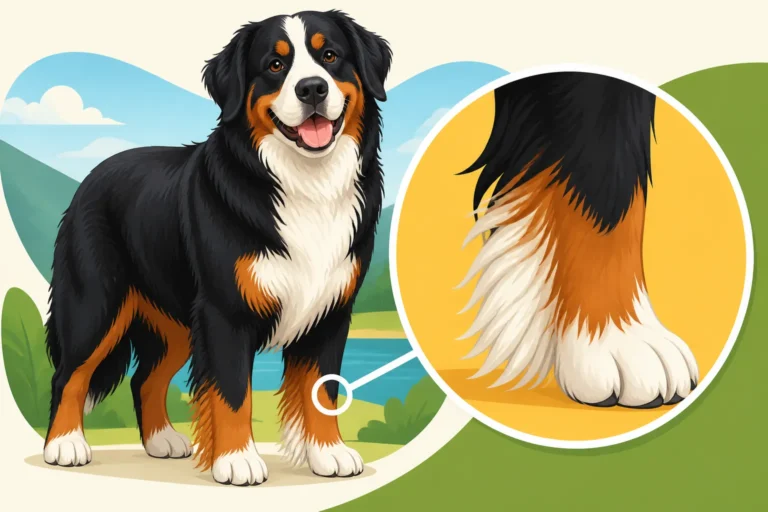
Bernese Mountain Dogs possess a dense double coat: a softer, woolly undercoat for insulation, and a longer, coarser outer coat that repels water and dirt. This combination is what makes them so perfectly suited for their historical role in the chilly Swiss Alps, but less so for pristine living rooms. They shed year-round, but you'll experience significant "blow-outs" twice a year, typically in spring and fall, when they shed their entire undercoat to prepare for the changing seasons. During these times, it can feel like you're brushing out another whole dog every day. Understanding How Much a Bernese Mountain Dog Sheds in a Week or during these peak times helps manage expectations.
Knowing when these heavy shedding periods are coming allows you to prepare for an uptick in grooming and cleaning. During the spring, as temperatures rise, you’ll notice an almost overwhelming amount of fluffy undercoat coming out. Spring, When a Bernese Mountain Dog's Undercoat Lets Go is a prime example of when your vacuum cleaner will become your best friend. In the fall, they shed their lighter summer coat to grow in a denser winter one. Even outside of these times, daily maintenance is key, because every day is a shedding day to some degree with a Berner.
Daily Grooming Routines
Consistent grooming is your first and best defense against a house filled with fur. I'm talking daily brushing, ideally with the right tools. A good quality slicker brush followed by an undercoat rake can work wonders. The undercoat rake is particularly effective at getting deep into that thick fur and pulling out loose hair before it has a chance to settle on your floors and furniture. I find that a solid 20-30 minute brushing session each day can drastically reduce the amount of hair floating around. If you let it go for even a couple of days, the task becomes much more daunting. For specific techniques, learning Brushing Out a Bernese Mountain Dog's Undercoat can make a huge difference in efficiency and effectiveness.
Beyond brushing, consider a forced-air dryer after baths. These powerful dryers blow off an incredible amount of loose hair that you might otherwise miss, and they help dry that dense coat thoroughly, preventing skin issues. While an initial investment, it saves countless hours of vacuuming later. Many pet supply stores, or online retailers like Chewy, offer a wide range of grooming tools specifically designed for large, double-coated breeds, making it easier to find what you need to keep up with the demands of a Bernese Mountain Dog coat. Remember, a well-groomed Berner sheds less in your home simply because you're actively removing the loose hair before it becomes a problem.
Deep Cleaning & Housekeeping Strategies
Even with diligent grooming, Berner hair will inevitably end up everywhere. This means upgrading your cleaning arsenal and routine. For floors, a powerful vacuum cleaner is non-negotiable. Look for models designed for pet hair, often featuring strong suction and tangle-free brushes. Robotic vacuums can be a game-changer for daily maintenance, running automatically to pick up surface hair, though they won't replace a thorough manual vacuuming session. If you're wondering which models stand up to the challenge, articles like Vacuums That Cope With a Bernese Mountain Dog offer great insights.
Furniture covers are another lifesaver, especially for couches and chairs your Berner loves to lounge on. Choose washable covers that can be easily removed and thrown into the laundry. For hard surfaces, microfiber cloths are excellent for picking up dust and hair without just scattering it around. Don't forget lint rollers; keep them strategically placed near exits, by your main couch, or even in your car. They're surprisingly effective for quick touch-ups on clothing and upholstery. Implementing these strategies can feel like a full-time job at first, but once you establish a routine, it becomes a natural part of living with these wonderful, furry companions.
Tackling Mud and Dirt Tracking
A Bernese Mountain Dog's large, powerful paws are perfect for navigating rugged terrain, but they're less ideal for keeping your indoor floors pristine. Rain, snow, mud, or even just damp grass can quickly turn your sparkling floors into a muddy mess. Learning to manage what comes in on those big paws is essential for anyone sharing their home with a Berner. It’s all about creating barriers and routines that catch the grime before it spreads.
Managing Paws at the Door
The entryway to your home is your first line of defense. Invest in large, absorbent doormats, both outside and inside, to capture as much dirt and moisture as possible. Even better, establish a "paw cleaning station" right by your most-used door. This might include a large, plush towel (or several!), a paw washer cup filled with a bit of warm water, and perhaps even a gentle paw cleaning solution. Training your Berner to "wait" at the door while you wipe their paws is an invaluable skill. Start this training early, making it a positive experience with treats and praise. It takes patience, especially with a wiggly puppy, but pays off immensely in the long run.
For those particularly muddy days, a quick rinse with a hose outdoors before coming in can save a lot of trouble. Keep an old towel or two dedicated to outdoor paw wiping right by the back door. The goal is to make it a routine – every time they come in from outside, those paws get a quick check or wipe. This proactive approach prevents the spread of dirt and debris to other parts of your home, making overall cleaning much easier. Remember, consistency is key; if you let it slide "just this once," you might find muddy paw prints leading straight to your fresh laundry pile!
Flooring Choices for Heavy Traffic
The type of flooring you have plays a massive role in how livable your house feels with a large, active dog like a Bernese. Carpeting, while cozy, traps hair, dander, and dirt, and is a nightmare for cleaning up wet paw prints or accidents. Hard surfaces are generally preferable. Tile, especially with darker grout, is a champion against mud and water. It's durable, easy to wipe clean, and resistant to scratches. Laminate flooring can be a good option if it's high-quality and water-resistant, but watch out for cheaper versions that can warp with standing water.
Hardwood floors, while beautiful, require more maintenance. They can scratch easily under a Berner's nails (regular nail trims are crucial here!) and can be slippery, which isn't ideal for a heavy dog prone to joint issues later in life. If you have hardwood, runners and area rugs in high-traffic areas can protect the floor and provide better traction for your dog. For those considering new flooring or dealing with existing surfaces, here's a quick comparison:
| Flooring Type | Pros | Cons | Best For Berner Households |
|---|---|---|---|
| Tile | Very durable, waterproof, easy to clean, cool in summer. | Can be cold, hard on joints (use rugs), grout can stain. | High-traffic areas, kitchens, bathrooms, entryways. |
| Laminate | Durable, scratch-resistant, easier to clean than carpet, can mimic wood/stone. | Lower quality can be water-damaged, can be slippery. | General living areas with good matting/rugs. |
| Hardwood | Aesthetic, adds home value. | Scratches easily, can be slippery, susceptible to water damage, expensive. | Best avoided without extensive protection (rugs, daily nail trims). |
| Vinyl Plank | Waterproof, highly durable, good traction, affordable, easy to clean. | Can sometimes dent with heavy furniture, not as premium look as tile/hardwood. | Excellent choice for all areas, highly recommended. |
| Carpet | Warm, soft, good traction, sound dampening. | Traps hair/dirt, hard to clean stains/accidents, wears down in high-traffic spots. | Best avoided; if essential, opt for low-pile and stain-resistant. |
Ultimately, easy-to-clean, durable, and slip-resistant flooring will make your life much simpler.
Outdoor Solutions & Designated Areas
Sometimes, the best offense is a good defense – stopping the mud before it even gets close to your house. Consider creating a designated "transition zone" in your yard, perhaps a paved or graveled area near the back door, where your Berner can shake off some of the excess dirt. Avoid letting them run directly from a muddy patch of grass straight into the house. If you have a fully fenced yard, think about areas where you can manage grass growth or provide stone paths to minimize mud.
For dogs that love to dig or roll, setting up a specific spot for them to indulge these instincts away from high-traffic entry points can also help. A small sandpit or designated digging area can give them an outlet without them tracking dirt from every corner of the yard. During heavy rain or snow, shorter, more frequent potty breaks right outside your door can prevent full-body mud baths. Remember, the goal isn't to prevent your Berner from enjoying the outdoors, but to create a system that allows them to do so without turning your home into a permanent mud pie.
Living with the Wet Wonders: Drool and Water Messes
Bernese Mountain Dogs aren't typically excessive droolers like some other giant breeds such as Saint Bernards, but they definitely have their moments. After a big drink, a panting session, or when anticipating a treat, a Berner can leave a surprising amount of slobber. Add to that their tendency to "drink with enthusiasm" (i.e., get water everywhere), and you've got a recipe for constant wet spots. Managing drool and water messes is about proactive prevention and quick clean-up.
Minimizing Drool and Slings
While you can't stop drooling entirely, you can minimize its impact. Keep a supply of "drool towels" handy around the house. These aren't just for show; they're essential. I'm talking about a stack of dedicated rags or small towels by their water bowl, near your couch, and by the door. After your Berner drinks, grab a towel and quickly wipe their muzzle and jowls. This simple habit can prevent a lot of water from being slung across your kitchen floor or soaked into your rug. For more tips on this, Drool Towels in a Bernese Mountain Dog Household offers practical advice.
Another common drool trigger is excitement, especially around food. If your Berner tends to drool in anticipation of meals or treats, try to manage their proximity to you while you're preparing food. Ask them to "sit" or "stay" a little further away from the kitchen counter. For dogs that get very animated, sometimes giving them a small, low-value treat before preparing their main meal can help calm their anticipation and reduce the drool factor.
Choosing the Right Bowls and Mats
The type of water bowl you use can significantly impact how much water ends up on your floor. Wide, shallow bowls might seem easier for them to drink from, but they also allow more water to splash out. Deeper, narrower bowls can help, but ensure they are still comfortable for your dog to drink from without difficulty. Raised bowls can sometimes reduce slobber by allowing your Berner to drink more comfortably, but not always for water-sloshing. Experiment to see what works best for your individual dog.
Crucially, place a large, absorbent mat under all food and water bowls. These mats are specifically designed to catch spills and drool, protecting your floor. Look for rubber-backed, washable mats that can handle frequent laundering. You can find excellent options on Amazon or at pet supply stores. Changing the water frequently also helps, as some dogs are less messy with fresh, clean water. Using a heavier, non-slip bowl also prevents enthusiastic eaters or drinkers from pushing their bowls across the room and spilling contents.
Cleaning Up Quickly
Speed is your friend when it comes to drool and water. Allowing wet spots to sit can lead to slippery floors, potential damage to wood, and a general feeling of stickiness. Keep paper towels, cleaning spray, and your trusty drool towels within arm's reach in areas where your Berner frequents. For hard floors, a quick wipe-down prevents dried-on streaks. For rugs or upholstery, blotting is key, not rubbing, to absorb the moisture.
Consider investing in a small handheld steam cleaner or a spot cleaner for quick clean-ups on carpets or upholstered furniture. These can be invaluable for tackling those unexpected wet spots or muddy paw prints that inevitably sneak past your defenses. Remember, living with a Bernese Mountain Dog means embracing a certain level of "wet dog life." The key is to manage it, not to eliminate it entirely, ensuring your home remains hygienic and comfortable for everyone.
Optimizing Space and Furniture
Bernese Mountain Dogs are big. Like, really big. A full-grown Berner can easily weigh 80-120 pounds, and they take up a considerable amount of space, whether they're sprawled out on the floor, attempting to snuggle on the couch, or simply walking from one room to another. This size impacts everything from your furniture choices to your home's layout. Making your home comfortable for both you and your giant companion requires some strategic planning.
Designated Zones for Your Berner
Every Bernese Mountain Dog needs their own "space" – a place where they can retreat, rest, and feel secure. This might be a large crate, an extra-large dog bed, or a designated corner of a room. Investing in a high-quality, Orthopedic Beds Sized for a Bernese Mountain Dog is a must, not just for comfort, but also for supporting their joints as they age. Place these beds in quiet, accessible areas where your dog won't be constantly disturbed but can still feel part of the family action. Berners love to be near their people, so don't relegate their space to a distant corner.
Consider using baby gates or strategically placed furniture to create "dog-free" zones when needed, perhaps for meal times or when you have guests who might be uncomfortable around a large dog. Crates and Gates for a Bernese Mountain Dog can be incredibly useful for managing their movement, especially during puppyhood or when house-training. However, ensure that any crates are appropriately sized, allowing them to stand, turn around, and lie down comfortably. Having their own designated areas helps prevent them from constantly trying to claim your personal spaces and allows you to maintain some semblance of order in your home.
Furniture Protection & Durability
Your furniture will face the brunt of your Berner's love, from shedding to excited leaps. Durable, easy-to-clean fabrics are your best friend. Leather or performance fabrics that are resistant to spills and pet hair are excellent choices. If new furniture isn't in the budget, machine-washable slipcovers are a lifesaver. Choose colors that either complement your Berner's coat (black, white, rust) or are easily camouflaged by it, rather than highlight every strand of hair.
Protecting your wooden furniture from tail wags and accidental bumps is also important. Large dogs, especially when excited, can inadvertently knock things over or scratch surfaces. Consider strategically placing robust, heavy side tables instead of delicate ones, or adding corner protectors to furniture your Berner might brush against. Elevated dog bowls can help prevent slouching, which is better for digestion, and also keep bowls from sliding around and damaging floors or walls. Just remember, a Berner’s tail is a powerful instrument of joy and destruction, capable of clearing low-lying coffee tables in a single sweep!
Navigating a Large Dog in a Smaller Home
While Bernese Mountain Dogs thrive with space, they can adapt to smaller homes or even apartments if their exercise and enrichment needs are met. The key is efficient use of space and thoughtful design. Keep pathways clear and avoid clutter, which can become tripping hazards for both you and your dog. Open-concept layouts can feel more spacious and allow your Berner to move around without feeling cramped.
Vertical storage solutions can help keep essentials out of paw's reach while minimizing floor clutter. Think about multi-functional furniture, like ottomans with storage, which can also double as a sturdy step for an older Berner to get onto the couch (if allowed!). For those living in multi-story homes, ensure your Berner has good traction on stairs to prevent slips and falls, especially as they get older and may develop joint issues. Runners on stairs can provide much-needed grip. Even in a compact living space, with mindful arrangement and durable choices, your home can comfortably accommodate your beloved Bernese Mountain Dog.
Maintaining Thermal Comfort: Temperature Control
Bernese Mountain Dogs originate from the chilly mountains of Switzerland, and their thick double coat is perfectly designed for cold weather. This means they are incredibly susceptible to overheating, even in moderate temperatures, which makes keeping them comfortable indoors a critical part of maintaining a livable home, especially outside of winter. Overheating isn't just uncomfortable; it can be dangerous.
Keeping Cool Indoors
During warmer months, air conditioning is often a necessity for a Bernese Mountain Dog. If you don't have central AC, invest in window units or portable AC units for the rooms your Berner spends the most time in. Even on mild days, good air circulation is vital. Use fans to keep the air moving, positioning them so they create a gentle breeze for your dog without blowing directly into their face for extended periods.
Cooling mats are another excellent tool for providing immediate relief. These mats, often gel-filled or water-activated, absorb body heat and provide a cool surface for your Berner to lie on. Place them in their favorite resting spots. For more information, Cooling Mats and Where a Bernese Mountain Dog Lies can provide guidance. Ensure fresh, cool water is always available, and consider adding ice cubes to their bowl on particularly hot days. Close blinds and curtains during the hottest parts of the day to keep sunlight from heating up your interior spaces.
Managing Winter Comfort
While Berners are built for the cold, an overly warm house in winter can still be uncomfortable for them. They thrive in cooler indoor temperatures. If you're someone who likes to keep your thermostat set high, you might need to find a compromise for your Berner. Consider keeping certain rooms cooler or providing them with access to cooler parts of the house, like a basement or a tiled floor in a less-heated area.
Their thick coat means they often seek out cool spots, even in winter. Don't be surprised to find your Berner sprawled on a cold tile floor rather than their plush bed if the house is too warm. While they appreciate a soft, comfortable bed, sometimes the desire to regulate their body temperature overrides everything else. Ensure they have access to both warm, cozy spots and cooler, hard surfaces so they can choose what feels best.
Airflow and Ventilation
Good ventilation is essential year-round. Stagnant, warm air can quickly make a house feel stuffy and uncomfortable for a Berner. Open windows on cooler days to create a cross-breeze, or use exhaust fans in bathrooms and kitchens. In areas prone to humidity, a dehumidifier can help, as high humidity makes it harder for dogs to cool themselves through panting.
If you have a garage or enclosed patio, and it's well-ventilated and kept at a reasonable temperature, this can sometimes serve as an additional cool-down spot during the day, provided it's safe and secure. However, never leave your Berner in a car, garage, or any unmonitored space where temperatures can quickly become extreme. The well-being of your Bernese Mountain Dog often dictates the climate of your entire home, reminding us of the compromises and joys of living with such magnificent, climate-specific companions.
Guarding Against Gnaws: Chewing and Damage
Bernese Mountain Dogs, particularly as puppies and adolescents, can be enthusiastic chewers. Their strong jaws are made for working, and that instinct can sometimes be directed at your furniture, shoes, or anything else within reach if not properly managed. Protecting your home from unwanted chewing is a mix of prevention, appropriate outlets, and consistent training.
Puppy-Proofing Your Home
Just like baby-proofing for a human toddler, puppy-proofing for a Bernese Mountain Dog puppy is paramount. They explore the world with their mouths, and those sharp puppy teeth can do surprising damage. Get down on their level and look for anything they might be able to chew. This includes electrical cords (tuck them away or use cord covers), loose rugs (which can be pulled and chewed), houseplants (many are toxic), and small items left on low tables.
Restrict your puppy's access to certain areas of the house, especially when unsupervised, using gates or a playpen. This helps them learn what is acceptable to chew and what isn't, and protects your belongings. Crates and Gates for a Bernese Mountain Dog are invaluable during this stage, providing a safe, confined space where they can't get into trouble. Rotate their toys to keep them interesting and engaging, ensuring they always have appropriate chew toys available.
Providing Appropriate Outlets
The best way to stop destructive chewing is to provide plenty of acceptable chewing options. Berners need durable, size-appropriate chew toys that can withstand their strong jaws. Look for toys made of tough rubber, nylon, or other materials designed for aggressive chewers. Some excellent options can be found at pet stores or online at Chewy or Amazon. Interactive toys that dispense treats can also keep them occupied and mentally stimulated, reducing the likelihood of them turning to your couch legs out of boredom. For specific recommendations, check out Chews That Suit a Bernese Mountain Dog's Jaw.
Beyond toys, mental stimulation and adequate exercise are crucial. A bored Berner is often a destructive Berner. Daily walks, playtime in the yard, and training sessions can tire them out both physically and mentally, making them less likely to chew out of boredom or excess energy. Enrichment activities, like puzzle feeders or snuffle mats, engage their natural instincts and redirect their chewing desires.
Dealing with Adult Chewing
While most destructive chewing is associated with puppyhood and adolescence, some adult Bernese Mountain Dogs might develop chewing habits, often due to stress, boredom, or a lack of appropriate outlets. If an adult Berner starts chewing inappropriately, first rule out any underlying medical issues with a vet visit. Then, re-evaluate their routine. Are they getting enough exercise and mental stimulation? Is their environment providing sufficient enrichment?
Sometimes, a quick spritz of bitter apple spray or other deterrents on tempting items can help, but this should always be combined with redirecting them to an acceptable chew toy. Never punish your dog after the fact, as they won't associate the punishment with the act of chewing. Instead, interrupt the unwanted behavior, firmly say "no," and immediately offer an appropriate chew toy. Positive reinforcement when they choose the correct item is always the most effective approach. Consistency, patience, and understanding your Berner's needs will go a long way in keeping both your home and your dog happy.
Disclaimer
This article is for general informational purposes only and does not constitute professional advice. Laws, prices and regulations vary by location and change over time. Consult a qualified professional for guidance on your specific situation.