Reaching the Back Teeth in a Bernese Mountain Dog’s Jaw
One of the biggest struggles we Berner parents face is making sure our gentle giants get the comprehensive care they need, especially when it comes to those pearly whites hidden deep in their massive jaws. Reaching the back teeth in a Bernese Mountain Dog for a proper brush can feel like trying to clean a cave with a toothpick, leading to frustrating battles and often, neglected dental health. This guide is here to walk you through the challenges and offer practical, empathetic strategies to ensure your beloved Berner's back molars stay as healthy as possible, preventing painful and costly problems down the road.
Why Those Back Teeth Are Such a Challenge (and So Important!)
Anyone who has ever tried to get a toothbrush past the canines and into the depths of a Bernese Mountain Dog's mouth knows it's no small feat. It's a combination of their unique anatomy, their natural instincts, and our human limitations that make this specific task such a hurdle. Yet, neglecting these hidden areas can have serious repercussions for their overall well-being.
The Anatomy of a Berner's Mouth
Let's be real: a Bernese Mountain Dog's mouth is a formidable place. Their jaws are powerful, designed for holding and carrying, not necessarily for easy dental access. Those molars at the very back are substantial, often deeply set, and surrounded by thick, muscular cheeks. Trying to maneuver a toothbrush back there, especially with a dog that might not fully understand or appreciate your intentions, can feel like an impossible contortionist act. You might manage the front teeth with relative ease, but as you move further back, the space narrows, and your dog's natural resistance can kick in, making it feel like you're wrestling a polite but firm land mammal.
The sheer size of their teeth, coupled with the strength of their bite, means that even if you do manage to get the brush in, you're working against a powerful reflex. It's not like cleaning a tiny terrier's mouth; the scale is completely different. Many owners report feeling like they can barely open their Berner's mouth wide enough, let alone get a good angle on those far-back surfaces where plaque and tartar love to accumulate.
The Hidden Dangers of Neglected Molars
While it’s easy to focus on the front teeth that we see, the back molars are often the biggest culprits when it comes to serious dental disease. These teeth do the most grinding work when your Bernese Mountain Dog chews their food, and food particles, coupled with bacteria, rapidly form plaque. If this plaque isn't brushed away, it hardens into tartar, a calcified substance that can only be removed by a professional dental cleaning.
Once tartar builds up, it pushes against the gums, leading to inflammation known as gingivitis. If left unchecked, gingivitis progresses to periodontal disease, where the gums recede, exposing the tooth roots, and the supporting bone can begin to erode. This is incredibly painful for your dog, even if they don't show obvious signs of discomfort. Eventually, teeth can loosen and fall out, or worse, abscesses can form, leading to infections that can spread to other parts of the body, impacting the heart, kidneys, and liver. Early intervention and regular cleaning, especially of those hard-to-reach back teeth, are crucial to prevent such severe outcomes. For more on this, you might find Gum Disease in an Older Bernese Mountain Dog insightful.
Understanding Your Berner's Resistance
It's tempting to think your Bernese Mountain Dog is just being stubborn when they refuse to let you near their back teeth, but often, their resistance stems from a mix of natural caution and potential discomfort. Dogs aren't naturally inclined to have foreign objects poked into their mouths, and a large dog like a Berner can feel particularly vulnerable when their mouth is being held open. Their instinct is to protect themselves, even if you mean well.
Furthermore, if a Berner has had negative experiences with mouth handling in the past – perhaps a painful dental issue that went unnoticed, or a veterinary procedure that required oral examination – they might associate mouth touching with discomfort or fear. Even if their mouth is perfectly healthy, the sensation of a toothbrush might be strange or even mildly irritating, especially if you're inadvertently pressing on sensitive gum tissue. It's important to approach this task with immense patience and a deep understanding of their sensitive nature. They might tolerate a lot, but a direct assault on their mouth might be where they draw the line. Remember, building trust and making it a positive experience is key, and this applies to The Weekly Handling a Bernese Mountain Dog Should Accept in general.
Essential Tools and Techniques for Reaching the Back Teeth
Successfully tackling those back molars requires a thoughtful approach, the right equipment, and a good dose of patience. It's not just about brushing; it's about making the experience as comfortable and effective as possible for both you and your Bernese Mountain Dog.
Choosing the Right Brushes and Pastes
When it comes to brushing a Bernese Mountain Dog's teeth, especially those tucked-away molars, the "one size fits all" approach simply doesn't work. You'll likely need to experiment to find what works best for your dog's mouth and your comfort level.
Traditional dog toothbrushes often come with an angled head and a longer handle, designed specifically to reach further back. Look for brushes with soft bristles to avoid irritating the gums. Some owners find multi-headed brushes, which clean multiple tooth surfaces at once, to be helpful. Finger brushes, while great for the front teeth and getting your Berner used to the sensation, often lack the reach and scrubbing power needed for the very back molars. For more determined plaque, some owners opt for electric dog toothbrushes, which can be highly effective, but require a much higher level of desensitization and acceptance from your Berner due to the vibration and noise. You can find a wide array of options, from traditional brushes to electric models and enzymatic toothpastes, on online retailers like Chewy or Amazon, allowing you to compare features and read reviews from other large dog owners.
The toothpaste you use is just as important as the brush. Never use human toothpaste, as it contains fluoride and detergents that are toxic to dogs. Opt for enzymatic dog-specific toothpaste, which comes in flavors like poultry, beef, or even peanut butter. The enzymatic action helps break down plaque even with minimal scrubbing, and the appealing taste can make the entire experience much more tolerable, if not downright enjoyable, for your Berner.
The Art of Positioning and Approach
Getting your Bernese Mountain Dog into a cooperative position is half the battle. You want them to be relaxed, not feeling restrained or threatened. Start by having your dog lie down or sit comfortably beside you. If they're lying down, you can sit behind their head. If they're sitting, you can stand or kneel beside them.
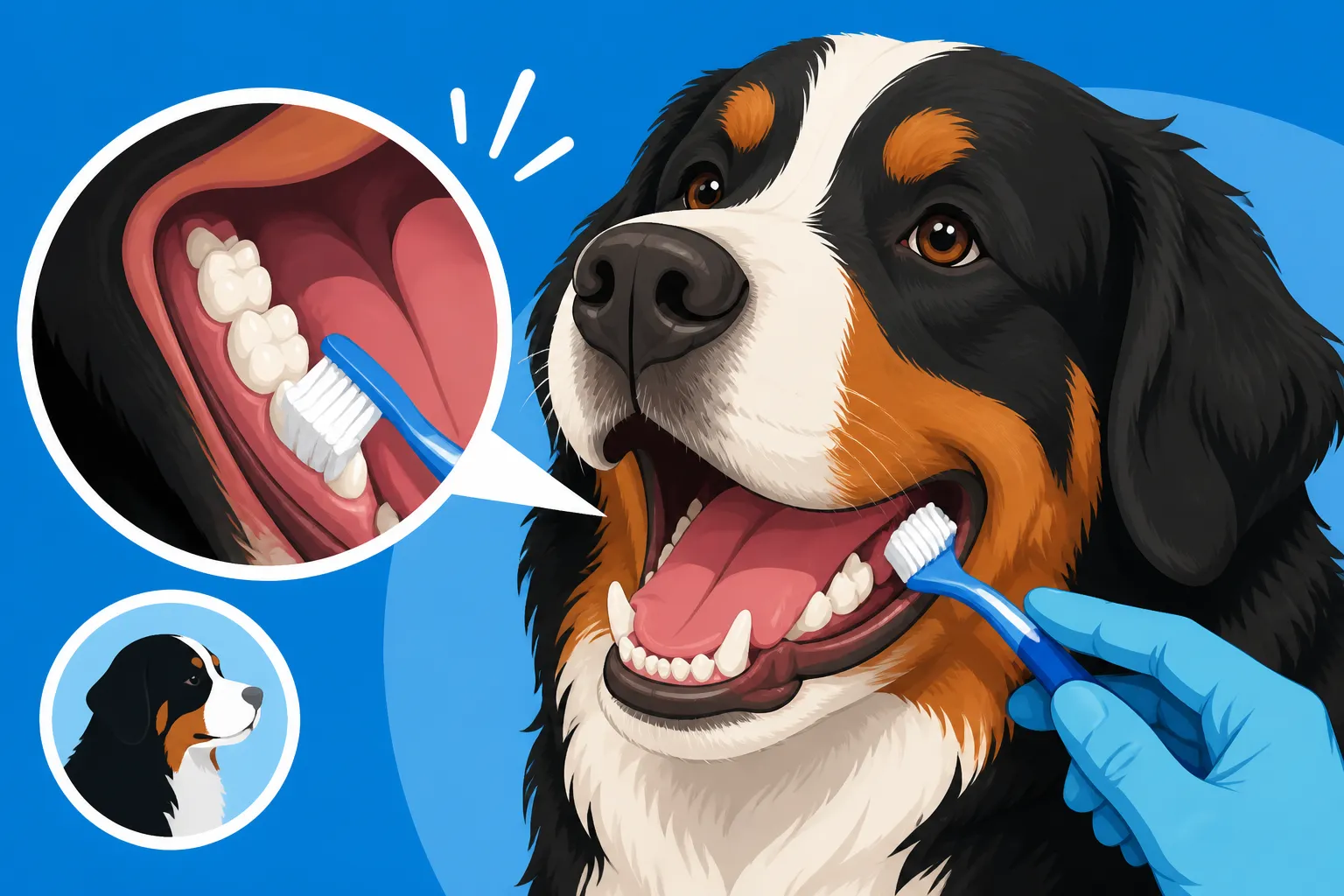
The key to reaching the back teeth is to gently lift the upper lip and apply the brush from the side. Don't try to open their mouth wide like you would a human's. Instead, simply lift the corner of their lip on one side. This exposes the outer surface of the back molars. You'll then slide the toothbrush head under the lip, aiming for the gum line. Use small, gentle, circular motions, focusing on the junction where the tooth meets the gum. Work on a few teeth at a time, then switch sides.
If your Berner is particularly resistant, try approaching from behind their head, gently cupping their muzzle with one hand while using the other to manipulate the toothbrush. This can give you better control and a clearer view. Remember, short, frequent sessions are more effective than long, arduous ones. Aim for even just 30 seconds of effective brushing on those back teeth initially, gradually increasing the time as your Berner becomes more accustomed to it. This consistent, gentle handling also contributes to their general ease with Tooth Care on a Bernese Mountain Dog.
Gradual Desensitization and Positive Reinforcement
Trying to introduce a toothbrush directly to your Bernese Mountain Dog's back teeth without any prior preparation is a recipe for disaster. The trick is to desensitize them to mouth handling gradually, making each step a positive experience with high-value rewards.
Start by simply touching their muzzle and lips. Gently lift their lips for a second, then reward them with a treat and praise. Repeat this many times over several days, slowly increasing the duration of the lip lift. Once they're comfortable with this, introduce your finger into their mouth, starting with the front teeth and eventually working your way back to gently rub their gums and back molars. Again, small steps, lots of treats, and enthusiastic praise.
Only when they are completely comfortable with your finger in their mouth should you introduce the toothbrush (without toothpaste first). Let them sniff and lick it. Then, gently introduce it to the front teeth, always rewarding. Over time, you can add a tiny bit of enzymatic toothpaste, letting them taste it. Gradually, you'll work your way to the back teeth, always stopping before they get too stressed and ending on a positive note. This slow, steady process builds trust and positive associations, making future brushing much easier.
Here's a simplified desensitization process you can adapt:
| Step | Action | Reward | Duration/Frequency |
|---|---|---|---|
| 1: Muzzle Touch | Gently touch your Berner's muzzle and lips with your hand. | High-value treat & verbal praise. | 5-10 times daily for days. |
| 2: Lip Lift | Gently lift your Berner's upper lip for 1-2 seconds. | High-value treat & verbal praise. | 5-10 times daily for a week. |
| 3: Finger Introduction | Gently rub your finger on their front gums/teeth for a few seconds. | High-value treat & verbal praise. | 5-10 times daily for a week. |
| 4: Back Gum Touch | Gently rub your finger on their back gums/molars for a few seconds. | High-value treat & verbal praise. | 5-10 times daily for a week. |
| 5: Brush Introduction (No Paste) | Let your Berner sniff/lick the brush. Gently touch front teeth with brush. | High-value treat & verbal praise. | 3-5 times daily for several days. |
| 6: Brush Introduction (With Paste) | Apply a tiny bit of dog toothpaste to the brush. Let them taste. Gently brush front teeth. | High-value treat & verbal praise. | Once or twice daily. |
| 7: Back Teeth Brushing | Gradually work the brush to the back teeth, focusing on gum line. | High-value treat & verbal praise, special chew. | Once daily. |
Beyond Brushing: Other Strategies for Oral Health
While brushing remains the gold standard for maintaining your Bernese Mountain Dog's oral hygiene, it's not the only tool in your arsenal. Especially when those back molars are stubbornly out of reach, other methods can provide supplementary support, though they rarely replace the thoroughness of mechanical cleaning.
Dental Chews and Toys: A Supplement, Not a Solution
Many well-meaning owners turn to dental chews and toys, hoping they'll do all the work. It's true that certain dental chews can be quite effective at helping to scrape away plaque on the easily accessible front teeth and sometimes even the premolars. The act of chewing can stimulate saliva production, which helps wash away food particles and bacteria. Look for dental chews that have been scientifically proven to reduce plaque and tartar, often indicated by a Veterinary Oral Health Council (VOHC) seal of approval. These are rigorously tested for efficacy.
However, the reality for a big dog like a Bernese Mountain Dog is that most dental chews and toys, no matter how cleverly designed, often don't provide sufficient abrasive action to truly clean the deep crevices and back surfaces of those powerful molars. Often, a Berner will chew with their front and mid-mouth teeth, but the very back molars receive less attention. Think of them as a helpful addition to your routine, supporting overall oral health, but not a replacement for manual brushing or professional cleanings, especially for those elusive back teeth. Brands like Chewy and Amazon offer a wide variety of VOHC-approved dental chews; just be sure to select ones appropriate for your Berner's size and chewing style. For other suitable options, consider Chews That Suit a Bernese Mountain Dog's Jaw.
Water Additives and Oral Rinses
Water additives and oral rinses are another supplementary approach that can help manage oral bacteria and improve breath. These products typically contain ingredients that reduce bacterial growth in the mouth, inhibit plaque formation, or neutralize foul odors. You simply add the prescribed amount to your Bernese Mountain Dog's drinking water or apply the rinse directly to their gums.
While convenient, it's important to understand their limitations. They work by generally reducing the bacterial load in the mouth, which can slow down plaque formation. However, they cannot remove existing plaque or tartar, especially not on those already-neglected back molars. Think of them as a broad-spectrum preventative measure rather than a targeted cleaning solution. They can be particularly useful if your Berner absolutely refuses any form of brushing or if you're looking for an extra layer of protection between brushings. They're a helpful adjunct, but they won't single-handedly solve severe dental issues or deep-seated plaque on the back teeth.
Professional Dental Cleanings: When to Call in the Experts
Let's face it, despite our best efforts, sometimes those back teeth just need professional attention. Regular veterinary check-ups are paramount, where your vet can assess your Bernese Mountain Dog's oral health. They might spot signs of trouble, like red, swollen gums, excessive tartar buildup, or even a fractured tooth, long before you do.
When significant plaque and tartar have accumulated, especially on those difficult-to-reach back molars, a professional dental cleaning under anesthesia is usually necessary. During this procedure, your veterinarian or a veterinary dental specialist will thoroughly scale each tooth, removing plaque and tartar both above and below the gum line, and then polish the teeth to smooth the surfaces, making them less hospitable for future plaque adhesion. They can also perform dental X-rays to check for problems beneath the gum line, such as abscesses or bone loss, which are impossible to see with the naked eye. This level of thoroughness simply cannot be achieved through at-home care, no matter how diligent you are.
Many owners worry about anesthesia for a large breed like a Bernese Mountain Dog. However, modern veterinary anesthesia protocols are very safe, especially when appropriate pre-anesthetic bloodwork and monitoring are performed. The benefits of preventing severe pain, infection, and potential systemic disease far outweigh the risks of anesthesia for a dog with significant dental problems. For more information, you can read about Dental Cleaning Under Anesthetic for a Bernese Mountain Dog and Putting a Hundred Pound Bernese Mountain Dog Under. This investment in their dental health is a significant part of their What a Bernese Mountain Dog Costs Over Its Whole Life.
Common Pitfalls and Troubleshooting
Even with the best intentions and the right tools, dental care for a Bernese Mountain Dog can present unique challenges. Knowing what problems to look out for and how to respond can make all the difference in keeping your Berner's mouth healthy.
Dealing with a Resisting Berner
Sometimes, despite all your patient desensitization and high-value treats, your Bernese Mountain Dog might just decide that tooth brushing is not for them, especially when it comes to those back molars. Forcing the issue can erode trust and make future attempts even harder, turning what should be a health routine into a source of stress and fear. If your Berner is consistently showing strong resistance – snarling, snapping, or simply shutting down and refusing to participate – it's crucial to stop and re-evaluate.
First, rule out pain. A dog that is suddenly resistant to mouth handling might be experiencing dental discomfort. A quick vet check-up can confirm whether there's an underlying issue. If there's no pain, you might need to try a different approach. Perhaps a different style of toothbrush, a more appealing toothpaste flavor, or even enlisting the help of a professional dog trainer specializing in cooperative care. In some cases, for safety during vet visits, teaching your Berner to wear a muzzle comfortably can be beneficial, not for daily brushing, but for examinations. Remember, a Berner’s temperament is generally sweet, but even the sweetest dog can have boundaries.
Recognizing Signs of Pain or Dental Issues
Bernese Mountain Dogs are famously stoic, and they often hide pain surprisingly well. This means that by the time you notice overt symptoms of dental disease, the problem might already be quite advanced. That's why being vigilant and knowing what subtle signs to look for is so important.
Beyond the visible tartar and red gums, keep an eye out for changes in behavior. Is your Berner suddenly reluctant to chew on their favorite toys or hard kibble? Are they dropping food, or chewing predominantly on one side of their mouth? Bad breath (halitosis) is a very common sign of bacterial buildup. You might also notice pawing at the mouth, drooling excessively, or swelling on one side of their face. In some cases, a dog might become more withdrawn or grumpy due to chronic pain. Don't dismiss these signs; they're your Berner's way of telling you something is wrong. An annual check-up with your vet should include a thorough oral examination; consider Seeing the Vet Twice a Year With a Berner as a proactive measure. It's often during these routine exams that a vet might recommend further investigation, like Bloodwork a Bernese Mountain Dog Should Have Yearly to check for systemic effects, or a The Cardiac Exam a Bernese Mountain Dog Should Have before anesthesia.
Consistency is Key (Even When It's Hard)
The biggest hurdle for many Bernese Mountain Dog owners isn't just how to brush those back teeth, but maintaining the routine consistently. Life gets busy, and it's easy to let dental care slide, especially when it feels like a battle. However, consistency truly is key to preventing plaque and tartar buildup. Even if you can't achieve a perfect, full mouth brushing every single day, aiming for a few times a week, focusing on those problematic back molars, will make a significant difference.
Think of it this way: even a few minutes of brushing every other day is far better than nothing at all, and certainly better than waiting until a costly and painful professional cleaning is the only option. Build it into your routine, perhaps after a walk when your Berner is relaxed, or right before their favorite treat time. Small, consistent efforts compound over time, helping to preserve your Bernese Mountain Dog's oral health and quality of life for as long as possible. This commitment is a big part of what makes owning a Berner so rewarding and is central to Caring for a Bernese Mountain Dog After Six as well.
Disclaimer
This article is for general informational purposes only and does not constitute professional advice. Laws, prices and regulations vary by location and change over time. Consult a qualified professional for guidance on your specific situation.