Feeding a Bernese Mountain Dog That Has Lost Teeth
It’s a heartbreaking sight to see your beloved Bernese Mountain Dog, once a vigorous eater, now struggling with their meals. As our gentle giants age, dental issues can become a real challenge, leading to discomfort, a lack of appetite, and even weight loss, leaving us owners feeling helpless and worried. This guide is here to walk you through how to compassionately and effectively adapt your older Berner's diet, ensuring they continue to get the nutrition they need, even when their teeth are no longer up to the task.
Understanding Dental Health Challenges in Older Bernese Mountain Dogs
Watching your once robust Bernese Mountain Dog nibble tentatively at their food, or even worse, drop it entirely, is a tough experience. It’s natural to feel concerned, and often, the root of this struggle lies in their dental health. Just like us, as dogs age, their teeth and gums can suffer wear and tear, and sometimes, those once strong molars just aren't what they used to be.
Why Teeth Are Lost: Beyond the Obvious
The most common culprit behind tooth loss in older Bernese Mountain Dogs isn't usually just old age itself, but rather a slow, insidious process often stemming from periodontal disease. This starts with plaque, which hardens into tartar. Over time, this tartar builds up both above and below the gum line, creating pockets where bacteria can thrive. This ongoing infection and inflammation gradually erodes the supporting structures of the teeth – the gums, ligaments, and bone – eventually leading to loosening and, sadly, loss. It's a silent battle that many large breeds face.
Beyond gum disease, there can be other reasons. A lifetime of chewing on hard toys, bones, or even rocks can lead to fractured teeth, which, if left untreated, can become infected and require extraction. Trauma, though less common in a home setting, can also lead to tooth damage or loss. Sometimes, particularly in large breeds, genetic predispositions or underlying health conditions can also play a role in dental fragility. This is why addressing issues like Gum Disease in an Older Bernese Mountain Dog early is so crucial.
Recognizing the Signs of Discomfort
It's not always obvious that your Berner is in dental pain, especially because dogs are masters at hiding discomfort. They've evolved to mask weakness, so you need to be a detective. Subtle changes in their eating habits are often the first clue. You might notice your Bernese taking longer to eat, or perhaps approaching their bowl with reluctance. They might drop pieces of food more often, or favor one side of their mouth when chewing, tilting their head in an unusual way.
Beyond eating, look for excessive drooling, pawing at their mouth, or a noticeable change in their breath – a strong, foul odor is a classic sign of dental infection. Sometimes, you might see visible redness or swelling around the gums, or even bleeding. In more severe cases, you might observe a decrease in overall energy, irritability, or even weight loss because they simply aren't able to consume enough calories to maintain their body condition. If you suspect any of these signs, a trip to the vet is definitely in order to get a clear picture of what's going on. Remember, your Berner might be trying to tell you something without making a fuss, as discussed in The Bernese Mountain Dog That Hides Discomfort.
Adapting Your Bernese Mountain Dog's Diet for Missing Teeth
Once you've confirmed that missing teeth are the reason for your Berner's eating woes, it's time to become a culinary innovator. The goal is to make their food as easy to consume and as comfortable as possible, without sacrificing the vital nutrients they need.
Transitioning to Softer Foods
The most immediate and impactful change you can make is to introduce softer foods. For many Bernese Mountain Dog owners, this means moving away from a dry kibble-only diet, at least in its crunchy form. The transition should always be gradual, especially for sensitive stomachs. Start by mixing a small amount of new, softer food with their current diet, slowly increasing the proportion over several days or even a week.
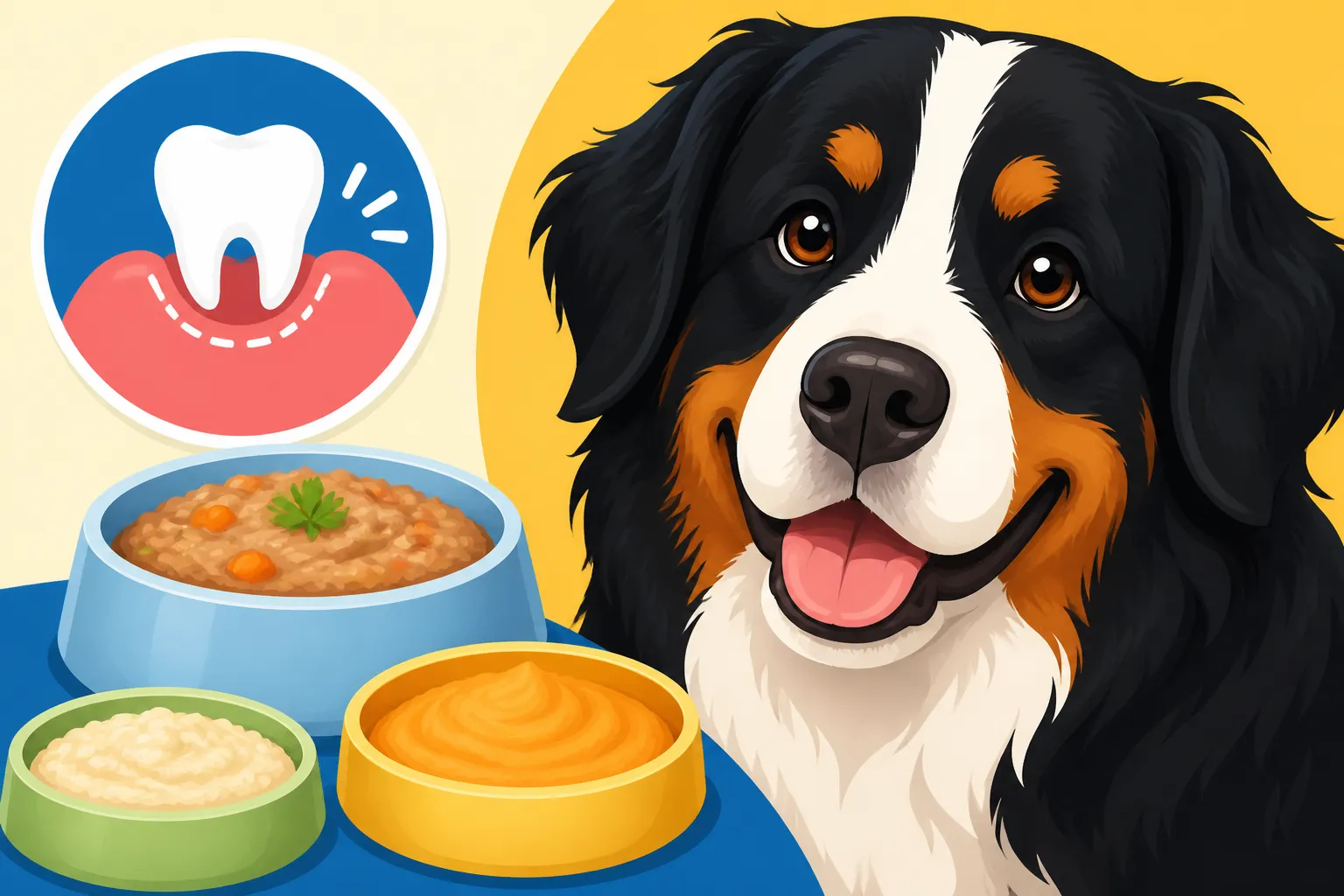
Commercial wet dog food is an obvious choice. There's a vast array of options out there, from pâtés to stews, many formulated for senior dogs or those with sensitive digestive systems. Brands like those available through Chewy offer a wide selection, making it easy to find something that your Berner might enjoy. The higher moisture content makes it easier to chew and swallow, and often more palatable. If you're currently feeding kibble, don't despair! You can transform it by rehydrating it. Simply add warm water or low-sodium chicken broth to their regular kibble and let it sit for 10-15 minutes until it softens into a mush. This can often be enough to make it digestible and comfortable for them. The key is ensuring they're still getting the appropriate calorie intake, as outlined in The Daily Ration a Hundred Pound Berner Gets, even with a change in consistency.
Modifying Food Consistency
Sometimes, even wet food or rehydrated kibble isn't quite soft enough, especially if your Bernese has lost multiple teeth or is experiencing significant gum sensitivity. This is where you might need to get a little more creative with consistency. Using a blender or food processor can be a game-changer. You can blend their regular wet food or soaked kibble with a bit of water or broth to create a smooth, easy-to-lap slurry. This completely bypasses the need for any chewing and ensures they get all the nutritional benefits.
For those who lean towards preparing their dog's food at home (under veterinary guidance, of course!), you can mash cooked, lean proteins like chicken or turkey, and soft, steamed vegetables such as sweet potato or green beans. Just make sure everything is completely deboned and free of spices harmful to dogs. These additions can be mixed into their commercial food or served as a standalone meal. You might even find yourself browsing for robust kitchen appliances on sites like Amazon to help with this preparation! The goal is to create a texture that's appealing and requires minimal effort to consume, turning mealtime from a struggle into a comfortable experience.
Nutritional Considerations
When altering your Bernese Mountain Dog's diet due to dental issues, it's absolutely paramount to ensure they are still receiving a complete and balanced nutritional profile. Just because the texture changes doesn't mean their dietary needs disappear. Older Berners still require adequate protein for muscle maintenance, healthy fats for energy and coat health, and a balance of vitamins and minerals. Simply offering softer foods without checking their nutritional content can inadvertently lead to deficiencies.
If you're opting for commercial wet foods or making extensive changes, always check the labels to ensure they are complete and balanced for adult or senior large-breed dogs. Many excellent fresh dog food options, like those from Ollie, can also be a wonderful choice, as they often come in softer, easily digestible forms and are nutritionally formulated. If you're considering a more homemade approach, working closely with your veterinarian or a board-certified veterinary nutritionist is essential to develop a diet plan that meets all your Berner's requirements. They can guide you on proper ratios of protein, carbohydrates, and fats, and advise on any necessary supplements to prevent imbalances. Don't make sudden, drastic changes without professional input, as an unbalanced diet can lead to more problems down the line than just dental pain.
Practical Feeding Strategies and Tools
Beyond the food itself, how you feed your Bernese Mountain Dog can make a world of difference to their comfort and willingness to eat. A few simple adjustments to their routine and equipment can help them enjoy mealtime again.
Choosing the Right Bowls and Feeding Schedule
The right bowl might seem like a small detail, but for a Berner with missing teeth, it can be crucial. Wide, shallow bowls can make it easier for them to lap up softer foods without having to dig or struggle. If your Berner also suffers from arthritis or neck pain, a raised feeder might be beneficial, as it allows them to eat without bending down too far, reducing strain on their joints. You can find many orthopedic feeders designed for large breeds. Pain Medication Costs for an Arthritic Bernese Mountain Dog can be a concern, but simple adjustments like these can help prevent discomfort.
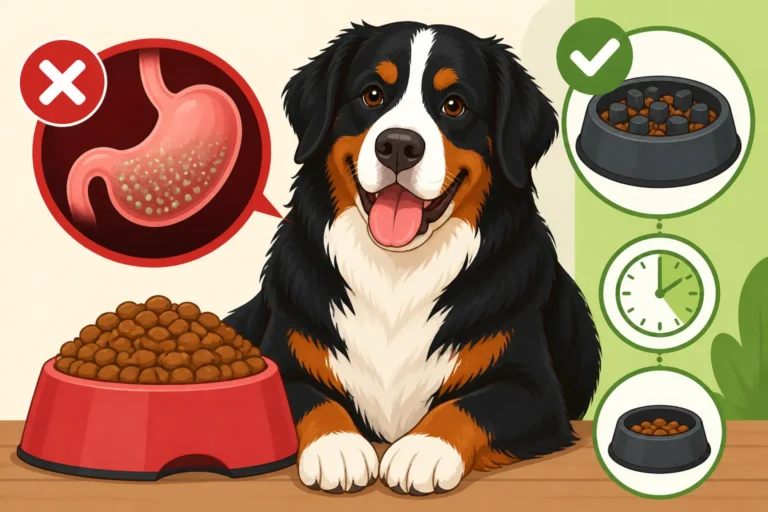
Consider also adjusting their feeding schedule. Instead of two large meals, smaller, more frequent meals throughout the day can be less overwhelming for a dog with eating difficulties. This also helps prevent them from gulping down too much food at once, which can sometimes be a concern with softer consistencies, potentially contributing to digestive upset or even bloat, a serious risk for deep-chested breeds like Berners. A calm, consistent feeding routine can also reduce stress around mealtime.
Encouraging Eating and Hydration
Some Bernese Mountain Dogs, especially if they've been in pain for a while, might become reluctant or picky eaters. To encourage them, try warming their food slightly – just to body temperature – as this can enhance the aroma and make it more appealing. Adding a little low-sodium chicken or beef broth (ensure it contains no onions or garlic) can also entice them. Make mealtime a peaceful, low-stress event. Avoid hovering or pressuring them; simply present the food in a comfortable setting and let them take their time.
Hydration is just as important as nutrition, especially when switching to different food types. Ensure your Berner always has access to fresh, clean water. If they're struggling to drink, consider offering water in a wider bowl, or even a pet fountain, which some dogs find more appealing. You can also incorporate more moisture into their diet by adding extra broth to their food, or offering soft, high-moisture treats that are easy to gum.
Maintaining Oral Hygiene: Even with Fewer Teeth
Even with missing teeth, maintaining some level of oral hygiene is still important for the remaining teeth and overall gum health. While brushing might be too painful or difficult, you can gently wipe their gums and any remaining teeth with a soft gauze pad wrapped around your finger. There are also dental rinses available that can help reduce bacteria and freshen breath without requiring any scrubbing. Your vet can recommend suitable products that are safe for your Berner to swallow.
Regular veterinary check-ups are absolutely vital. Your vet can monitor the health of their remaining teeth, check for any new infections, and assess the overall condition of their gums. Catching issues early can prevent further pain and complications. It might not be the rigorous Tooth Care on a Bernese Mountain Dog routine you once had, but every little bit helps keep them comfortable.
Long-Term Care and Veterinary Partnership
Caring for an older Bernese Mountain Dog with dental issues is truly a marathon, not a sprint. It requires ongoing attention, adaptability, and a strong partnership with your veterinary team to ensure their comfort and quality of life.
Regular Veterinary Check-ups
As your Bernese Mountain Dog ages, regular veterinary check-ups become even more critical, especially when dealing with dental health challenges. These aren't just about vaccines anymore; they're comprehensive health assessments. Your vet can perform thorough oral exams, often requiring sedation for a complete view, to monitor the remaining teeth, check for signs of infection, gum inflammation, or any other abnormalities that might cause pain. They can also assess the progression of any periodontal disease and advise on further interventions if necessary.
Beyond the mouth, these appointments are crucial for checking their overall systemic health, as dental issues can sometimes contribute to other health problems if bacteria from the mouth enter the bloodstream. They'll monitor organ function and discuss any new symptoms you might be observing. It's truly about preventative and proactive care, ensuring that you're addressing not just the symptoms, but the underlying causes, and adjusting care plans as needed. These regular visits, perhaps even twice a year as they get older, are a cornerstone of their well-being, much like the comprehensive approach described in Seeing the Vet Twice a Year With a Berner.
Managing Weight and Overall Health
One of the biggest concerns with a Bernese Mountain Dog struggling to eat due to dental pain is unintended weight loss. It’s easy for them to drop pounds when eating becomes difficult, which can then exacerbate other age-related health issues. Conversely, if they're eating high-calorie, softer foods without appropriate portion control, they could gain too much weight, putting undue stress on their joints, which is especially problematic for a large breed like the Berner.
Therefore, meticulous weight monitoring is crucial. Your vet can help you determine an ideal body condition score for your individual Berner and guide you on appropriate feeding amounts of their new diet. If weight loss is a concern, they might suggest specific calorie-dense supplements that are easy to consume. If they're gaining too much, your vet can advise on adjusting portions or food choices. This also ties into managing other senior dog challenges. For instance, an older Berner might also be experiencing joint discomfort. Maintaining a healthy weight helps alleviate pressure on those joints. Discussing supplements for joint health, or perhaps a change in the type of gentle exercise they can do, are all part of managing Caring for a Bernese Mountain Dog After Six and ensuring their golden years are as comfortable and happy as possible. Remember, every pound counts, so discussions around Cutting Back an Old Bernese Mountain Dog's Bowl might become necessary.
| Challenge | Solution for Berners with Missing Teeth | Benefits |
|---|---|---|
| Difficulty chewing kibble | Soaked kibble, wet food, blended food | Easier consumption, reduced pain |
| Reluctance to eat | Warming food, adding broth, enticing aromas | Increases palatability, encourages appetite |
| Maintaining nutrition | Vet-approved diets, balanced wet food | Ensures complete nutrients, prevents deficiencies |
| Discomfort during mealtime | Shallow/raised bowls, quiet environment | Improves comfort, reduces physical strain |
| Dental pain/infection | Regular vet check-ups, gentle oral care | Prevents further issues, manages existing pain |
Disclaimer
This article is for general informational purposes only and does not constitute professional advice. Laws, prices and regulations vary by location and change over time. Consult a qualified professional for guidance on your specific situation.