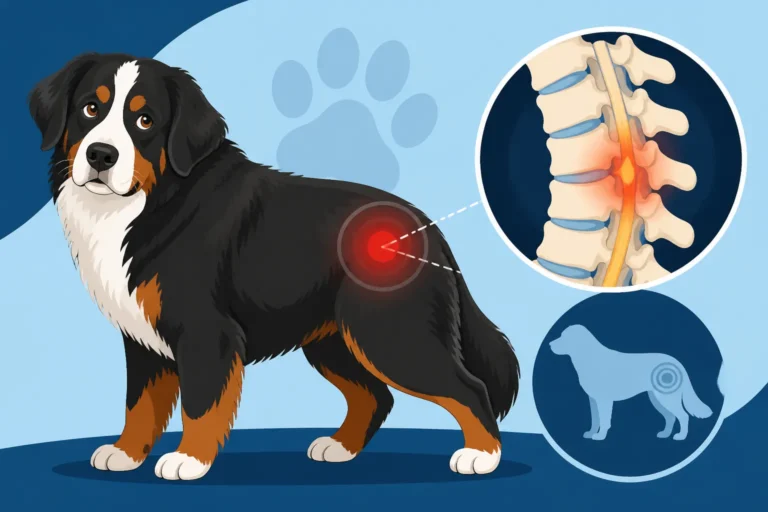
Treating Cancer in a Bernese Mountain Dog
The moment you hear the word "cancer" in relation to your beloved Bernese Mountain Dog, your world can feel like it's crashing down. The fear, the uncertainty, the overwhelming sense of helplessness – it's a profound burden no pet parent should have to carry alone. This guide aims to walk you through the complex landscape of cancer treatment for Bernese Mountain Dogs, offering clear, compassionate insights into the options available, what to expect, and how to best support your cherished companion through this challenging time.
Understanding the Scope of Cancer in Bernese Mountain Dogs
It’s a heartbreaking reality that Bernese Mountain Dogs, with their affectionate nature and majestic presence, are disproportionately affected by certain types of cancer. If you’re a Berner owner, you’ve likely heard the whispers, or perhaps even faced the devastating statistics firsthand. This isn't just bad luck; there's a genetic predisposition that makes these beautiful dogs particularly vulnerable.
The Alarming Prevalence and Specific Types
When we talk about cancer in Bernese Mountain Dogs, we're not speaking hypothetically or about rare occurrences. It's a leading cause of death within the breed, with some studies suggesting that The Cancer That Kills Half of All Bernese Mountain Dogs is histiocytic sarcoma. This aggressive and often rapidly progressing cancer is a primary concern for many owners and veterinarians.
Beyond histiocytic sarcoma, Bernese Mountain Dogs are also highly susceptible to other forms of malignancy, including lymphoma and mast cell tumors. Lymphoma, a cancer of the lymphatic system, can manifest in various ways, from enlarged lymph nodes to more systemic illness. Mast cell tumors, on the other hand, are skin tumors that can range from benign to highly aggressive, often requiring immediate attention due to their potential to metastasize quickly. The sheer variety and prevalence mean that cancer isn't just a possibility; it's a significant health hurdle woven into the breed's fabric.
Why Bernese Mountain Dogs Are Prone to Cancer
The predisposition to cancer in Bernese Mountain Dogs is largely genetic. They carry certain genetic markers that increase their risk significantly, particularly for histiocytic sarcoma. This isn't a fault of breeding practices entirely, but rather a complex genetic trait that has persisted within the gene pool. Researchers are continually working to identify these specific markers, but for now, the reality is that the breed faces an uphill battle.
This genetic vulnerability also contributes to Why a Bernese Mountain Dog Lives Only Seven or Eight Years, a lifespan often tragically cut short by these diseases. It's a harsh truth that impacts every Berner owner, making proactive care and early detection all the more critical. While responsible breeders strive to select for longevity and health, the pervasive nature of these cancer genes makes it a challenge for the entire breed.
The Initial Diagnosis Journey and Emotional Toll
Discovering your Bernese Mountain Dog has cancer is a gut-wrenching experience. The initial period, from noticing subtle changes to receiving a confirmed diagnosis, can feel like an emotional rollercoaster. It’s vital to arm yourself with knowledge and patience as you navigate these first crucial steps.
Recognizing Subtle Signs and Early Detection
Bernese Mountain Dogs are known for their stoic nature; they often hide discomfort until a condition is quite advanced. This makes recognizing the early signs of cancer particularly challenging. Owners often report noticing a vague "offness" – a slight decrease in energy, a subtle limp that comes and goes, or a reduced appetite. The First Signs of Histiocytic Sarcoma in a Bernese Mountain Dog can be incredibly subtle, like lameness or non-specific lethargy, which can easily be mistaken for normal aging or minor injuries.
Regular, hands-on checks of your Berner are paramount. Feel for any new lumps or bumps, pay attention to changes in their gait, breathing, or bathroom habits. Don't dismiss persistent coughing, unexpected weight loss, or swelling anywhere on the body. A baseline understanding of your dog's normal behavior is your best defense. If something feels even slightly amiss, especially if it persists, a vet visit is always warranted.
Navigating Diagnostic Tests and Confirming the Diagnosis
Once you suspect something is wrong, your veterinarian will likely recommend a series of diagnostic tests. This usually begins with a thorough physical examination, bloodwork, and possibly urinalysis. These general health screenings can reveal abnormalities that point toward cancer, such as anemia, elevated white blood cell counts, or organ dysfunction.
If cancer is suspected, more specific imaging is often the next step. X-rays, particularly of the chest and limbs, can reveal tumors in bones or lungs, which is often the case with Histiocytic Sarcoma in a Bernese Mountain Dog. However, it's important to remember that Whether Histiocytic Sarcoma Shows on an X-Ray isn't always definitive, as soft tissue masses or very small lesions might not be visible. Ultrasounds are excellent for examining abdominal organs, while CT scans or MRIs provide highly detailed images, crucial for pinpointing tumor locations and assessing their spread. Ultimately, a biopsy – a tissue sample taken from the suspicious area – is usually required for The Biopsy That Confirms a Bernese Mountain Dog's Diagnosis and to determine the specific type of cancer. This information is vital for crafting an effective treatment plan.
Exploring Treatment Options for Bernese Mountain Dog Cancer
Once a diagnosis is confirmed, your veterinary oncologist will discuss various treatment modalities. The goal is always to balance effectiveness against your Berner's quality of life. There's no one-size-fits-all answer, and the best path will depend on the type, stage, and location of the cancer, as well as your dog's overall health.
Surgical Interventions and Their Efficacy
Surgery is often the first line of defense, especially for localized tumors like mast cell tumors or certain forms of histiocytic sarcoma that are accessible. The primary goal of surgery is complete tumor removal with wide, clean margins, meaning a healthy border of tissue around the tumor is also removed to ensure no cancerous cells are left behind. For external mast cell tumors or isolated bone tumors, surgery can be curative.
However, the efficacy of surgery for Bernese Mountain Dog cancers can vary significantly. For highly aggressive or infiltrative tumors, such as some forms of The One in Four Bernese Mountain Dogs With Histiocytic Sarcoma, achieving clear margins can be challenging or even impossible. In cases like these, surgery might be performed to debulk the tumor (remove as much as possible) to alleviate symptoms and improve comfort, but it would often be followed by other treatments like chemotherapy or radiation. For appendicular histiocytic sarcoma (affecting a limb), Whether Amputation Buys a Bernese Mountain Dog Time is a question frequently asked, and it can indeed provide significant time, especially when followed by systemic therapy.
Chemotherapy: Protocols, Side Effects, and Expectations
Chemotherapy involves using drugs to kill cancer cells throughout the body. Unlike in human medicine, where the goal is often to cure, veterinary chemotherapy for Bernese Mountain Dogs is more frequently aimed at controlling the cancer, extending lifespan, and maintaining an excellent quality of life. The protocols vary widely depending on the type of cancer, with different drugs and schedules used for lymphoma versus histiocytic sarcoma.
Common chemotherapy drugs used include Lomustine (CCNU), Doxorubicin, and Vincristine. The side effects in dogs are generally less severe than in humans, as lower doses are often used. Most dogs tolerate chemotherapy well, experiencing only mild side effects like transient nausea, reduced appetite, or lethargy. Hair loss is rare for Berners, though their coat may thin. Severe side effects, such as bone marrow suppression (leading to low white blood cell counts) or severe gastrointestinal upset, are less common but possible and require immediate veterinary attention. Your vet will monitor blood counts closely throughout treatment to minimize risks. Whether Chemotherapy Helps a Bernese Mountain Dog largely depends on the specific cancer, but for many, it can offer valuable months or even years of good quality life.
Radiation Therapy and Localized Treatment
Radiation therapy uses high-energy rays to damage and kill cancer cells. It's a localized treatment, meaning it targets a specific area of the body where the tumor is located. This makes it an excellent option for tumors that cannot be surgically removed, or to clean up any remaining cancer cells after surgery. It can also be used as a palliative measure to relieve pain from bone tumors.
For Bernese Mountain Dogs, radiation might be considered for nasal tumors, certain soft tissue sarcomas, or even bone tumors that are causing significant pain. The treatment typically involves several short sessions over a few weeks, with your dog under general anesthesia for each session to ensure they remain perfectly still. Side effects are localized to the treated area, such as skin irritation, hair loss, or inflammation of adjacent tissues. The decision to pursue radiation therapy often comes down to the tumor's location, the dog's tolerance for anesthesia, and the potential benefits versus the commitment required.
Emerging Therapies and Clinical Trials
Veterinary oncology is a rapidly advancing field, and new therapies are constantly being developed and tested. For Bernese Mountain Dog owners, this offers a glimmer of hope, especially for aggressive cancers like histiocytic sarcoma. Immunotherapy, which aims to boost the dog's own immune system to fight cancer, is a promising area of research. For instance, some treatments involve injecting specific immunostimulants directly into tumors or using vaccines designed to target cancer cells.
Another area is targeted therapy, where drugs are designed to interfere with specific molecules involved in tumor growth and progression. These therapies often have fewer side effects than traditional chemotherapy because they are more precise. Clinical trials are an invaluable resource, offering access to cutting-edge treatments that might not yet be widely available. If your Bernese Mountain Dog is diagnosed with a challenging cancer, discussing whether they might be a candidate for a clinical trial could provide an additional avenue for treatment and contribute to vital research.
Managing Quality of Life and Palliative Care
Regardless of the chosen treatment path, maintaining your Bernese Mountain Dog's quality of life is paramount. Sometimes, the most compassionate choice isn't aggressive treatment but rather focusing on comfort and ensuring their remaining time is as joyful and pain-free as possible. This is where palliative care shines.
Pain Management and Symptom Control
Cancer often brings pain and discomfort, which can manifest in various ways depending on the tumor's location. Bone cancer, for example, is notoriously painful, while internal tumors might cause generalized discomfort, lethargy, or loss of appetite. Effective pain management is crucial for maintaining a good quality of life. This typically involves a multimodal approach, combining different types of medications to target pain through various pathways.
Non-steroidal anti-inflammatory drugs (NSAIDs) like Rimadyl or Galliprant are often a first step, reducing inflammation and mild to moderate pain. For more severe pain, opioids such as Tramadol, Gabapentin, or Amantadine might be prescribed. These can be used alone or in conjunction with NSAIDs. Your vet might also discuss alternative therapies like acupuncture or therapeutic laser to help manage pain and improve mobility. The goal is to keep your Berner comfortable, allowing them to enjoy their daily activities without constant suffering. Palliative Care for a Bernese Mountain Dog focuses heavily on this aspect, ensuring every day is lived with as much joy as possible.
Nutritional Support and Environmental Adjustments
Cancer can significantly impact a dog's appetite and metabolism. Providing appropriate nutritional support is critical to help them maintain strength, manage their weight, and support their immune system. Many veterinary oncologists recommend diets specifically formulated for cancer patients, which are typically high in protein and fat, and low in carbohydrates. Omega-3 fatty acids are often supplemented due to their anti-inflammatory properties. Sometimes, tempting your Berner with novel foods, warm meals, or even small, frequent offerings can encourage them to eat. Your vet might also prescribe appetite stimulants if needed.
Beyond diet, environmental adjustments can make a huge difference in your Berner's comfort. Ensure they have a soft, orthopedic bed that supports their joints, especially if they are experiencing bone pain or general weakness. Easy access to food and water bowls, perhaps raised, can prevent strain. Consider anti-slip rugs or runners on hard floors to aid mobility and prevent falls. For Bernese Mountain Dogs who might be losing their back legs due to conditions like degenerative myelopathy or cancer spread, harnesses designed to assist with lifting or even mobility carts can provide invaluable support, helping them remain active and engaged with the family.
The Financial Reality of Cancer Treatment
Let's be real: treating cancer in a Bernese Mountain Dog can be incredibly expensive. It's a harsh reality that often adds another layer of stress to an already emotional situation. Understanding the potential costs and exploring financial options before a crisis hits is invaluable.
Understanding the Costs Involved
The cost of cancer treatment varies dramatically depending on the type of cancer, the chosen therapies, the duration of treatment, and where you live. Initial diagnostics alone, including bloodwork, X-rays, ultrasounds, and biopsies, can easily run into hundreds or even a few thousand dollars. If a CT scan or MRI is required, that can add another $2,000-$4,000 to the bill.
Surgery for tumor removal can range from $1,000 for a straightforward skin tumor to $5,000-$8,000 or more for complex internal surgeries or amputations. Chemotherapy, depending on the protocol and drugs used, might cost anywhere from $300-$1,000 per session, with a full course potentially running $5,000-$15,000. Radiation therapy also involves significant costs, often in the range of $5,000-$10,000 for a full course. These figures don't even include ongoing medications, follow-up appointments, or potential emergency care. It's not uncommon for What Oncology Bills Reach for a Bernese Mountain Dog to easily exceed $10,000-$20,000 over the course of treatment.
The Role of Pet Insurance and Financial Planning
This is where pet insurance can be a literal lifesaver. Companies like Healthy Paws offer comprehensive plans that can cover a significant portion of these exorbitant costs. Having a policy in place before a cancer diagnosis is critical, as pre-existing conditions are almost always excluded. If you’re considering a Bernese Mountain Dog, or if you have a young one, obtaining Insuring a Bernese Mountain Dog Against Cancer early is one of the best financial decisions you can make.
| Treatment Type | Average Cost Range (USD) | Coverage Potential with Insurance | Notes |
|---|---|---|---|
| Initial Diagnostics | $500 – $4,000 | 70-90% after deductible | X-rays, ultrasound, bloodwork, biopsy, CT/MRI |
| Surgery (Tumor Removal) | $1,000 – $8,000+ | 70-90% after deductible | Varies greatly by complexity and location |
| Chemotherapy (Full course) | $5,000 – $15,000 | 70-90% after deductible | Multiple sessions, drug costs |
| Radiation Therapy | $5,000 – $10,000 | 70-90% after deductible | Requires anesthesia for multiple sessions |
| Palliative Care/Meds | $100 – $500/month | 70-90% after deductible | Ongoing pain management, supportive care |
Without insurance, many families find themselves in the heartbreaking position of having to choose treatment options based on financial constraints rather than what's best for their dog. Some opt for payment plans through veterinary clinics, apply for veterinary care credit cards like CareCredit, or seek assistance from foundations that help with pet medical bills. Organizations like The Riedel and Cody Fund specifically support families whose dogs have cancer. Planning ahead, even by setting aside a dedicated "emergency fund" for your Bernese Mountain Dog, can alleviate some of this immense pressure. A good pet insurance plan from a provider like Healthy Paws can really ease the burden of what can be truly overwhelming medical expenses.
Making Difficult Decisions and End-of-Life Care
Even with the best treatments and care, there often comes a point where the focus shifts from fighting the cancer to ensuring comfort and dignity. These are the hardest conversations you'll ever have as a pet parent.
When to Consider Palliative Care Over Aggressive Treatment
Deciding when to transition from aggressive, curative-intent treatments to purely palliative care is profoundly personal and incredibly difficult. It requires honest conversations with your veterinary oncologist about prognosis, quality of life indicators, and your Berner's overall well-being. Sometimes, the side effects of treatment can outweigh the benefits, causing more suffering than the disease itself. Signs that aggressive treatment might be doing more harm than good include persistent nausea, severe lethargy, chronic pain despite medication, or a complete loss of interest in their favorite activities.
Your vet can help you create a "quality of life" assessment, looking at factors like appetite, hydration, hygiene, mobility, and their general demeanor. This often involves tracking "good days" versus "bad days." If the bad days consistently outnumber the good, or if your Berner is showing signs of distress and lack of joy, it might be time to prioritize comfort. Deciding When to Stop Treating a Bernese Mountain Dog is a courageous act of love, putting your dog's peace above your own desire to keep them with you.
Supporting Your Berner Through Their Final Journey
When the time comes to say goodbye, supporting your Bernese Mountain Dog through their final journey is the ultimate act of love. This means providing an environment of peace, comfort, and unconditional affection. Many owners choose in-home euthanasia to allow their Berner to pass peacefully in their familiar surroundings, surrounded by their loved ones. This option minimizes stress and allows for a truly private goodbye.
During this time, cherish every moment. Offer their favorite treats, snuggle close, and reflect on the beautiful life you've shared. Grieving the loss of a Bernese Mountain Dog is a profound experience, and it's essential to allow yourself to feel that sorrow. Remember the joy they brought into your life, the way they leaned into you, and the countless happy memories. While the pain of their absence is immense, the love you shared will always remain. Knowing you explored every avenue, from utilizing Healthy Paws to manage costs to making hard decisions about quality of life, can provide some measure of peace during this heartbreaking chapter.
Disclaimer
The information provided in this article is for general informational purposes only and is not a substitute for professional veterinary advice. Always consult with a qualified veterinarian regarding any health concerns or before making any decisions about your pet's medical care.