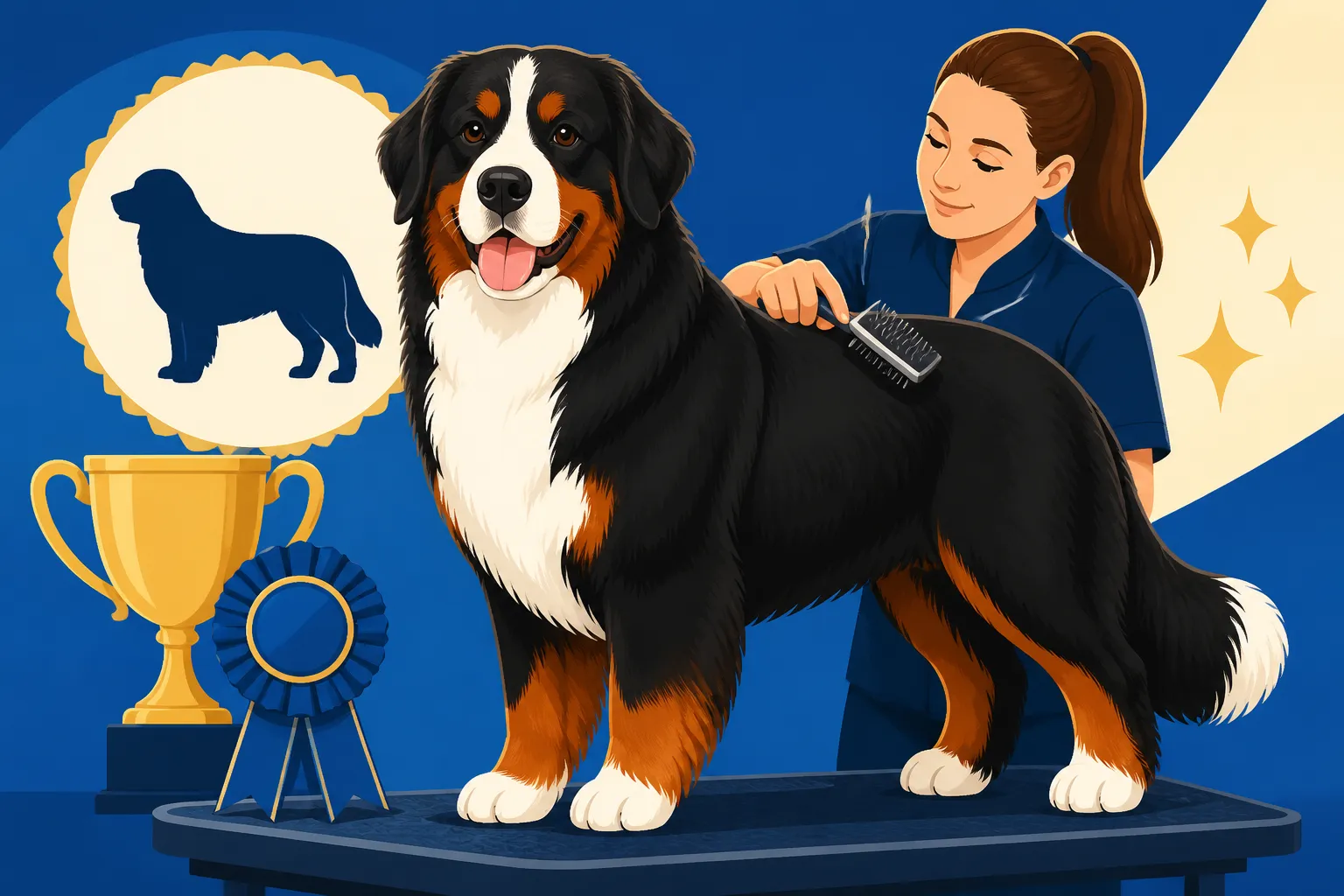
Grooming a Bernese Mountain Dog for the Show Ring
Bringing a magnificent Bernese Mountain Dog into the show ring is a dream for many, but the reality of preparing that glorious, thick coat can feel like an overwhelming challenge. It’s not just about brushing; it’s about understanding the nuances of the breed standard and showcasing your Berner’s natural beauty without overdoing it. This guide is here to walk you through the careful, considered process of grooming your Bernese Mountain Dog for competition, ensuring they look their absolute best, true to their heritage.
Understanding the Bernese Mountain Dog Breed Standard for Grooming
Before you even pick up a brush, it's crucial to understand what judges are looking for when they evaluate a Bernese Mountain Dog in the ring. This isn't about transforming your dog into something it's not; it's about presenting its inherent qualities in the most polished way possible, aligning with the breed's historical function and aesthetic. Every snip and stroke of the brush should enhance, not alter, their natural majesty.
The Ideal Coat: Texture, Length, and Color
The Bernese Mountain Dog's coat is one of its most defining features, a testament to its origins in the cold, harsh Swiss Alps. The standard calls for a double coat: a soft, thick undercoat providing insulation, and a dense, moderately long outer coat that can be straight or slightly wavy. This outer coat should have a good sheen and lie smoothly, giving a protective, weather-resistant appearance. Judges will run their hands through the coat to assess its texture and density, looking for that quintessential Berner feel. A coat that is too short, overly soft, or tightly curled would be considered a fault. Likewise, a sparse undercoat or a lack of density might raise an eyebrow, as it speaks to the dog's ability to withstand severe weather, a key part of its working heritage.
Color is equally paramount, and the Bernese Mountain Dog is famously tricolored. This means a rich, jet-black base, rust or tan markings, and crisp white markings. The black should be deep and lustrous, not faded or brownish. The rust or tan should be well-defined, appearing over the eyes, on the cheeks, on all four legs, and on the chest. Any deviation from this tri-color pattern, such as a dominant black and white or even a faded black, can put a dog at a distinct disadvantage. The placement and clarity of these colors are inherent to the breed's identity. If you're curious about what a judge truly expects to feel, check out The Bernese Mountain Dog Coat Texture a Judge Feels. And for a deeper dive into the exact color requirements, The Colors That Put a Bernese Mountain Dog Out offers even more detail.
Markings and Presentation
Beyond the general coat color, the specific white markings on a Bernese Mountain Dog are also held to a strict standard. These are not just random patches; they are distinct features that contribute to the breed's iconic look. The most notable white markings include the "Swiss Cross" on the chest, a white blaze that runs up the face, and white on the tip of the tail, as well as on all four feet. The white should be clear and distinct, not flecked with black or muddied. A judge will look for the blaze to be symmetrical and well-defined, without extending excessively over the eyes or down the sides of the muzzle. The white on the chest forms that unmistakable cross, a hallmark of the breed's Swiss ancestry.
While you can't create these markings through grooming, your presentation can highlight their beauty. Keeping the surrounding black and rust areas clean and well-conditioned makes the white pop. Any stray hairs that might blur the lines of these markings should be gently tidied. It’s about presenting a clean canvas where every detail of the dog’s natural appearance shines through. Understanding what these markings signify for the breed is also important. For a full breakdown of their significance, you can read Bernese Mountain Dog Markings and What They Mean, and to really focus on that signature chest marking, The Swiss Cross on a Bernese Mountain Dog's Chest provides great insight. The goal is always to enhance the dog's inherent beauty, making sure every detail aligns with the breed's noble blueprint.
Essential Tools and Techniques for Show Grooming
Now that we've covered the "why," let's talk about the "how." Grooming a Bernese Mountain Dog for the show ring requires dedication and the right arsenal of tools. Their thick, long coat can be a challenge, but with consistent effort and proper techniques, you can achieve that show-stopping look. It’s a labor of love, but oh-so-rewarding when your Berner steps into the ring looking magnificent.
Brushing for a Flawless Coat
Regular and thorough brushing is the cornerstone of show ring preparation for a Bernese Mountain Dog. Their dense double coat is prone to matting and shedding, especially during seasonal blows, so daily attention is often necessary, particularly in the weeks leading up to a show. You’ll want a few key tools in your grooming kit. A high-quality pin brush with long, rounded pins is excellent for working through the outer coat and reaching down to the undercoat. A slicker brush, used carefully, can help remove loose hair and smooth the topcoat, but avoid excessive use that might irritate the skin. The real workhorse, however, is the undercoat rake. This tool is invaluable for removing dead undercoat, preventing mats, and allowing the new coat to come through cleanly. You can find a fantastic selection of these brushes and rakes on Chewy, making it easy to stock up on all your grooming essentials.
The technique itself is crucial. "Line brushing" is the most effective method for a Bernese. You start at the bottom of a leg or flank, part the hair, and brush a small section from the skin outwards, holding the unbrushed hair out of the way. Once that section is knot-free, you drop a bit more hair and repeat, working your way up the dog's body. This ensures you get all the way down to the skin, removing every bit of loose hair and preventing mats from forming in those hard-to-reach places like behind the ears or in the "armpits." Consistent brushing also distributes natural oils, giving the coat a healthy sheen that judges appreciate. For a comprehensive look at brush types, Which Brush a Bernese Mountain Dog's Coat Needs is a great resource. And if you’re struggling with getting deep into that plush coat, Getting a Rake Down Through a Bernese Mountain Dog's Coat offers invaluable tips on technique.
Bathing and Drying for Optimal Presentation
Bathing a Bernese Mountain Dog is no small feat! Their sheer size and double coat mean it's a significant undertaking, but essential for a clean, fresh, and vibrant show coat. Aim to bathe your Berner a few days before a show, giving the coat time to settle and for natural oils to redistribute, but not so long that it gets dirty again. Use a high-quality dog shampoo formulated for double coats, ideally one that enhances natural colors or adds volume without making the coat fluffy. Follow up with a good conditioner to keep the coat soft, prevent tangles, and reduce static. Rinse, rinse, and rinse again – any shampoo residue left in that thick coat can cause skin irritation or dullness.
The drying process is arguably even more critical than the wash itself. Air drying is simply not an option for a show Berner; it leads to matting, a dull coat, and can even cause skin issues. You must use a high-velocity force dryer. This powerful tool blasts water out of the coat, dramatically reducing drying time and helping to straighten the hair, giving it that smooth, flowing appearance. As you dry, use your pin brush to brush the coat in the direction of growth, ensuring every hair is straight and tangle-free. This meticulous drying also lifts the undercoat, giving the dog a fuller, more impressive silhouette. A damp coat under a heavy double coat is a recipe for disaster in the ring. For more practical advice on tackling this monumental task, Bathing a Bernese Mountain Dog That Fills a Tub is a must-read, and for tips on how to efficiently get them dry, consult How Long a Wet Bernese Mountain Dog Takes to Dry. Don't forget, finding these specialized shampoos and force dryers can be easily done through retailers like Chewy.
Trimming and Finishing Touches (Where Less is More)
Unlike many breeds that undergo extensive scissoring and stripping for the show ring, the Bernese Mountain Dog benefits from a "less is more" approach. The breed standard emphasizes a natural appearance, so your goal isn't to sculpt or dramatically alter the coat, but rather to neaten and enhance what's already there. Over-trimming can be a serious fault, so wield those scissors with extreme caution and a light hand.
Minimal Trimming for Natural Appearance
The primary areas for trimming on a Bernese Mountain Dog are the feet, hocks, and sometimes the feathering on the legs and breeches. For the feet, the aim is to create a neat, "cat-foot" appearance. Trim the hair around the paw pads to prevent slipping and to keep debris from accumulating. Then, carefully trim any excess hair that grows beyond the outline of the paw, giving it a round, tidy shape. You want the foot to look compact and strong, not shaggy. The hair on the hocks (the rear ankles) can also be tidied if it’s excessively long or creates a messy look.
When it comes to the feathering on the legs and the "trousers" on the hindquarters, be incredibly conservative. The standard calls for moderate feathering, so don't cut it short! Only trim if the hair is genuinely straggly, uneven, or so long that it drags on the ground. The idea is to neaten the edges, creating a clean line that complements the dog's natural structure, rather than shortening the coat. Remember, these are working dogs, and their coat should appear functional and natural. Any evidence of heavy sculpting or artificial shaping can be penalized. If you’re unsure, it’s always better to leave a bit more than to take too much off. For more guidance on foot tidying, you can look into Tidying the Hair Around a Bernese Mountain Dog's Feet, and to understand the philosophy behind minimal trimming, The Case for Leaving a Bernese Mountain Dog Untrimmed is an excellent read.
Nails, Ears, and Final Polish
Beyond the coat itself, attention to these smaller details can make a significant difference in your Berner's overall presentation. Perfectly manicured nails are a must. They should be kept short and neat, not long enough to click on the floor or interfere with the dog’s natural gait. Long nails can throw off a dog's balance and even cause discomfort, affecting their movement in the ring. Many prefer a Dremel-style grinder to clippers, as it allows for a smoother finish and can get the nails shorter without risking the quick. Introducing nail trims early and often helps your Berner tolerate this crucial process. Chewy offers a variety of nail grinders and clippers to suit your preference.
Ear care is another important aspect. Bernese Mountain Dogs have drop ears, which can sometimes harbor moisture and lead to infections. Before a show, ensure their ears are clean and free of any wax or debris. A quick swipe with a veterinarian-approved ear cleaner and cotton ball is usually sufficient. Similarly, check their eyes for any tear stains or discharge, gently wiping them clean with a damp cloth. Finally, a light mist of a conditioning spray can add a touch of shine and help control static without making the coat greasy. A final, thorough brush-through just before entering the ring will ensure every hair is in place, and your Bernese looks ready to impress. Don't underestimate the importance of these finishing touches; they convey an overall sense of care and attention to detail. Learn more about managing nails in Cutting a Bernese Mountain Dog's Nails Without a Fight and ear hygiene in How Often to Look Inside a Bernese Mountain Dog's Ear.
The Handler's Role and Ring-Side Prep
Grooming isn't just about the dog's physical appearance; it also encompasses their behavior and how they present themselves in the ring. A perfectly groomed dog that won't stand still or gait properly won't impress the judge. Your role as a handler involves preparing your Bernese for the entire show experience, from temperament to those critical last-minute adjustments.
Building a Show-Ready Temperament
A calm, confident, and well-behaved Bernese Mountain Dog is a joy to behold in the ring. Judges want to see a dog that enjoys being there, that is attentive to its handler, and that allows for a thorough examination. This means starting early with socialization and positive reinforcement training. Your Berner needs to be comfortable with strangers touching them, especially on the head, mouth, and all four legs, as this is how a judge assesses conformation. Practice standing still for extended periods, as well as gaiting at both a walk and a trot. Reward calm behavior generously. A Bernese that is fearful, overly timid, or unruly in the ring will detract from its physical merits, no matter how beautiful its coat.
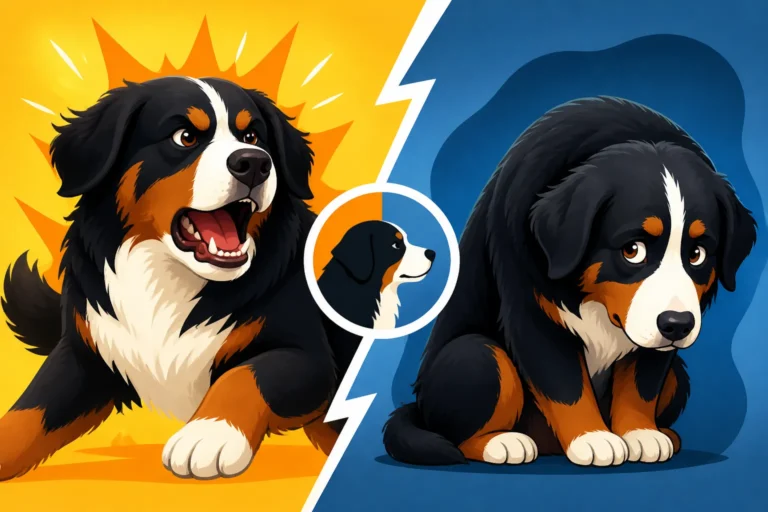
While the Bernese Mountain Dog standard does allow for a degree of "reserve" with strangers, it should never cross into shyness or aggression. Confidence is key. Participating in puppy classes and then more advanced obedience or handling classes can be incredibly beneficial. These environments help expose your Berner to the hustle and bustle of a show, getting them used to other dogs, people, and unfamiliar sounds. Ultimately, you want your dog to view the show ring as a fun, positive experience. For insights into how temperament plays into judging, consider Whether an Aloof Bernese Mountain Dog Can Still Win, and for foundational training advice, Socializing a Reserved Bernese Mountain Dog Puppy is an excellent resource to ensure your Berner starts off on the right paw.
Last-Minute Checks and Ring Etiquette
The moments just before you enter the ring are crucial for those final adjustments. Have a small kit ring-side with a brush, a grooming mitt, and a clean towel. Give your Berner one last thorough brush-through to ensure there are no stray hairs or missed tangles. Use the grooming mitt to smooth down the coat and remove any lint or dust that might have settled. Quickly check their paws for any dirt or debris picked up backstage. A dab of nose and paw balm can add a healthy sheen. Make sure your own attire is clean and professional, as judges also subtly assess the handler.
Once in the ring, pay close attention to the judge's instructions and the ring steward's directions. Position your dog correctly when stacked and move smoothly and confidently during the gaiting pattern. Keep your Berner's attention on you, using bait or toys discreetly if allowed and necessary. Be polite and respectful to the judge, other handlers, and your fellow exhibitors. Remember, showing is a sport, and good sportsmanship is always appreciated. A well-groomed Bernese Mountain Dog, presented by a confident and composed handler, truly stands out.
| Grooming Tool | Primary Purpose | How it Helps for Show Ring Presentation |
|---|---|---|
| Pin Brush | Detangling, general brushing, reaching undercoat | Prevents mats, distributes oils, maintains coat flow |
| Slicker Brush | Removing loose hair, smoothing topcoat | Creates a polished finish, helps remove shedding hair |
| Undercoat Rake | Removing dead undercoat, preventing matting | Essential for coat density, prevents heat buildup, improves shine |
| High-Velocity Dryer | Rapid drying, blowing out loose hair | Prevents matting, straightens coat, adds volume and loft |
| Blunt-Tipped Scissors | Trimming foot hair, hocks, minor tidying | Creates neat "cat feet," tidies unruly feathering |
| Nail Clippers/Grinder | Keeping nails short | Ensures proper gait, prevents discomfort and structural issues |
| Ear Cleaner | Maintaining ear hygiene | Prevents infections, keeps ears clean for examination |
Disclaimer
This article is for general informational purposes only and does not constitute professional advice. Laws, prices and regulations vary by location and change over time. Consult a qualified professional for guidance on your specific situation.