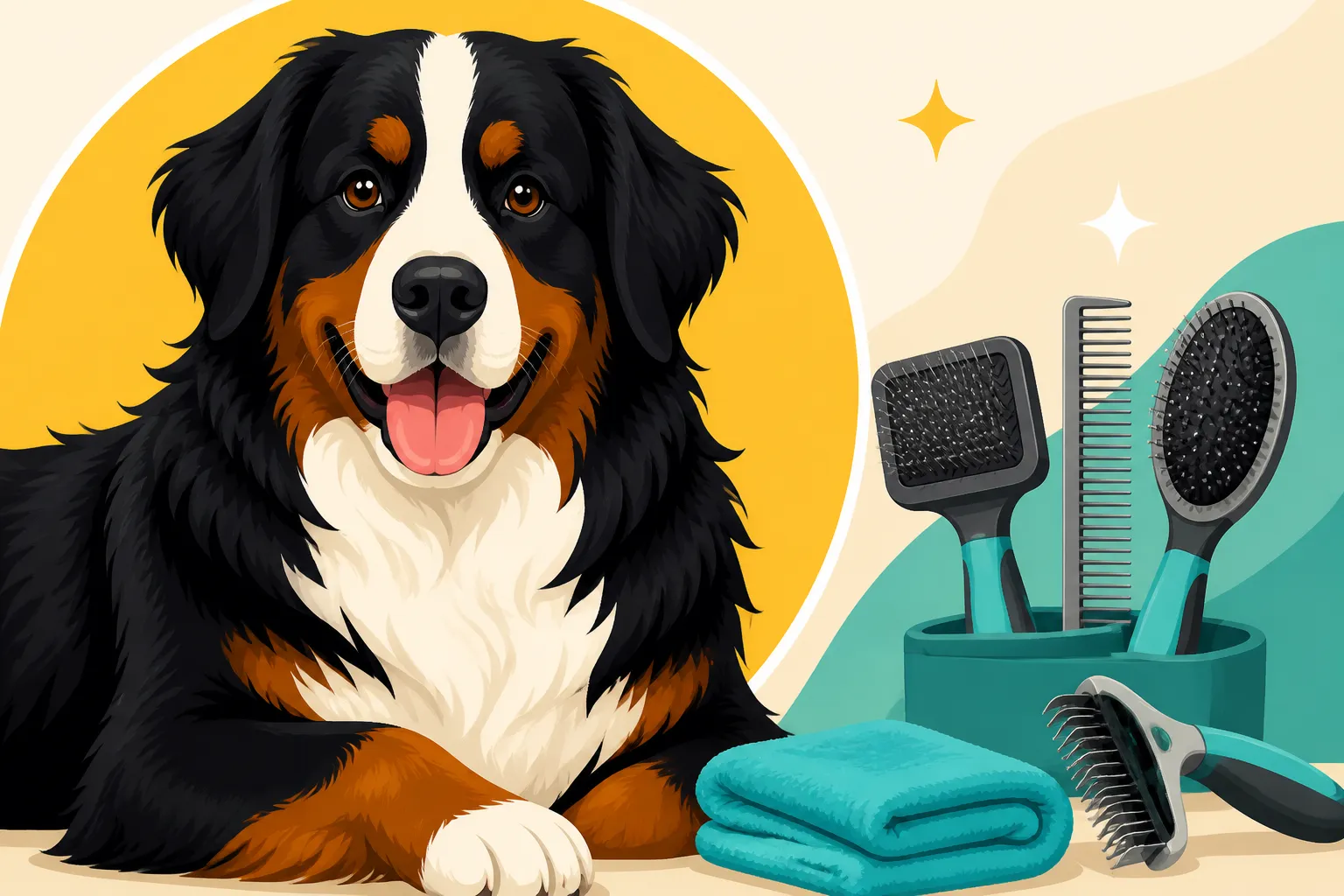
Grooming a Bernese Mountain Dog’s Long Tricolor Coat
Oh, the Bernese Mountain Dog coat! If you're a Berner parent, you know it's a magnificent, flowing tapestry of black, white, and rust that stops people in their tracks. But you also know that behind that regal exterior lies a world of shedding, matting, and sometimes, outright furry chaos. This guide is here to walk you through every strand of that beautiful, challenging coat, offering realistic, empathetic advice to keep your Berner looking their best without losing your mind (or your vacuum cleaner).
Understanding the Bernese Mountain Dog's Glorious Coat
Before we even pick up a brush, it's so important to truly appreciate and understand what you're dealing with. A Bernese Mountain Dog's coat isn't just "long hair"; it's a finely tuned, evolutionary marvel designed for life in the harsh Swiss Alps. And trust me, understanding its structure is the first step to mastering its care.
The Double Coat's Purpose and Texture
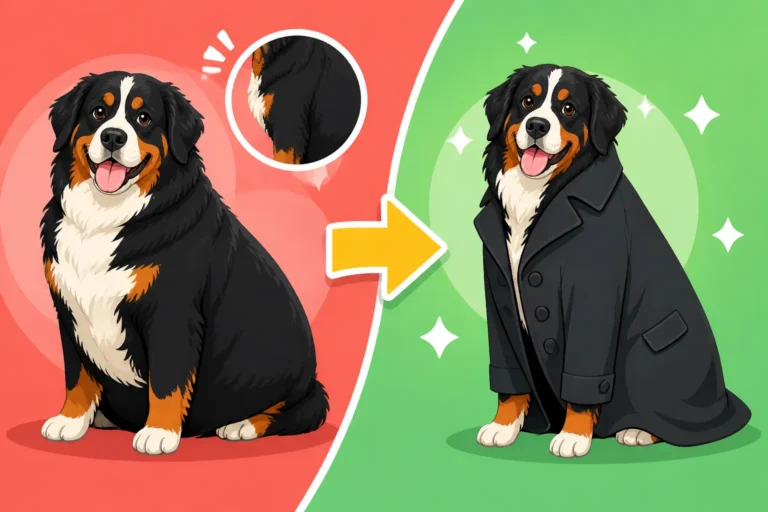
Your Bernese Mountain Dog boasts a magnificent double coat, a characteristic that is absolutely essential to their function as a working dog in cold climates. This isn't just for aesthetics; it serves a crucial purpose. The outer coat, often called guard hairs, is long, thick, and typically straight or slightly wavy. These hairs are coarse and water-repellent, acting as a protective barrier against snow, rain, and debris. Think of it like a natural raincoat. These are the hairs that give your Berner that majestic, flowing appearance.
Beneath this outer layer lies the unsung hero: the undercoat. This layer is dense, soft, and woolly, designed to provide incredible insulation, keeping your Berner warm in freezing temperatures. It's this soft, downy undercoat that really packs on the fluff and, yes, contributes significantly to the prodigious shedding we Bernese owners know so well. The interplay between these two layers is vital for regulating their body temperature, both in cold and surprisingly, by trapping cool air, in moderate warmth. Neglecting either layer can lead to discomfort, skin issues, and a less effective natural climate control system for your dog. For more insight into what breeders and judges look for, you might be interested in reading The Bernese Mountain Dog Coat Texture a Judge Feels.
The Beauty of the Tricolor Markings
One of the most defining and beloved features of the Bernese Mountain Dog is their stunning tricolor coat. This isn't just a random splash of colors; it's a distinct pattern that is part of their breed standard and incredibly striking. You'll find a rich, jet black as the dominant color, often covering their body. Then there's the crisp, clear white that typically forms a blaze up their face, a distinct "Swiss cross" on their chest, and tips their paws and tail. Finally, the rust or tan markings provide that beautiful contrast, usually appearing over their eyes, on their cheeks, on their legs, and lining the white chest.
These markings are truly what make each Berner unique, like a living piece of art. When you're grooming, you're not just brushing hair; you're maintaining the integrity and vibrancy of this breathtaking pattern. Keeping the white parts bright and free from stains, and ensuring the black and rust remain lustrous, is part of the joy and challenge. Regular grooming helps distribute natural oils, enhancing the coat's shine and making those colors pop. It’s a point of pride for many Berner owners to keep those tricolor markings looking their absolute best, showcasing the breed's signature beauty.
Why the Long Coat Matters for Their Health
Beyond aesthetics and historical function, your Bernese Mountain Dog's long, dense coat plays a crucial role in their overall health and well-being. It's not just about looking pretty; it's a protective shield. The double coat acts as insulation, preventing both heat loss in winter and, somewhat counterintuitively, sunburn and overheating in summer by creating an insulating layer of air. This is why you'll often hear experienced Berner owners advise strongly against shaving your dog in warmer months; removing that protective layer can actually make them more susceptible to heat stroke and skin damage. For further reading, check out The Case for Leaving a Bernese Mountain Dog Untrimmed.
Furthermore, the coat offers a physical barrier against external elements like thorns, insects, and minor scrapes. A well-maintained coat with a healthy undercoat allows for proper air circulation to the skin, which is vital for preventing skin irritations, hot spots, and fungal infections. When mats and tangles form, they pull on the skin, causing discomfort and pain, and can create damp, airless pockets where bacteria and yeast thrive. A neglected coat can quickly become a breeding ground for problems, leading to expensive vet visits and a very unhappy Berner. Regular grooming is truly an investment in their long-term skin and coat health, and by extension, their comfort and happiness.
Assembling Your Bernese Mountain Dog Grooming Arsenal
Alright, now that we understand the glorious beast that is the Bernese coat, let's talk tools. You wouldn't try to build a house with just a hammer, and you certainly can't tackle a Berner's grooming needs with just one brush. You need an arsenal, a collection of specialized tools that work together to keep that coat healthy and beautiful. Don't cheap out here; good tools make a world of difference for both you and your dog.
Brushes and Rakes: The Core of Your Kit
These are your primary weapons in the battle against mats and shedding. You'll need a few different types, each serving a specific purpose:
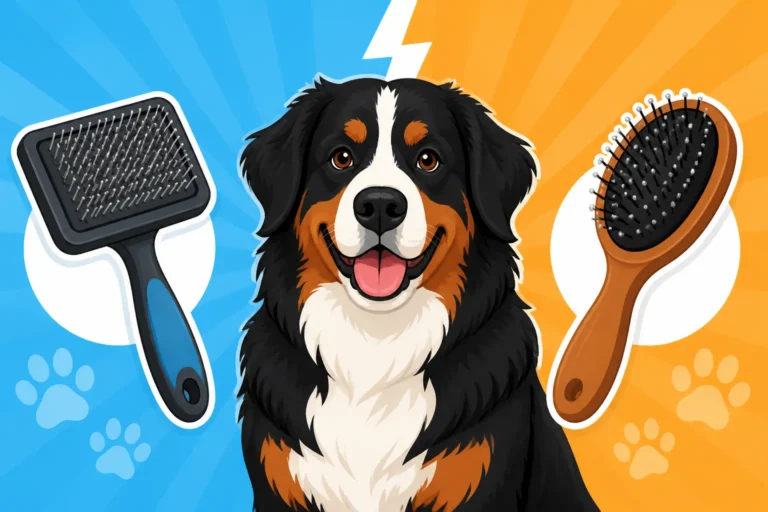
- Slicker Brush: This brush has fine, short wires packed closely together on a flat surface. It's excellent for removing loose topcoat hair and light tangles, especially on the feathering on their legs and tail. Be gentle, though, as the wires can scratch the skin if you press too hard. It’s great for getting surface debris and for fluffing up the coat.
- Pin Brush: Resembling a human hairbrush, a pin brush has widely spaced metal pins with rounded ends. It's perfect for general brushing, distributing natural oils, and gently detangling the longer guard hairs without pulling too much on the undercoat. It’s often used for finishing touches after the initial raking.
- Undercoat Rake: This is arguably the most crucial tool for a Bernese Mountain Dog owner. An undercoat rake has widely spaced teeth, often with a curved edge, designed to reach deep into the dense undercoat and pull out loose, dead hair without damaging the topcoat. There are various types, some with rotating teeth that glide through the coat more easily. Investing in a good quality undercoat rake will save you countless hours (and vacuum bags) in the long run. Brands like FURminator or similar deshedding rakes can be found readily on Chewy or Amazon and are invaluable during seasonal shedding. Getting a rake down through a Bernese Mountain Dog's coat is a skill worth developing!
- Dematter Tool/Stripping Knife: For those stubborn mats that just won't budge with a slicker brush, a dematter tool can be a lifesaver. These tools have sharp, inwardly curved blades that safely cut through mats without pulling excessively on the surrounding hair. A stripping knife, while often used for hand-stripping wire-haired breeds, can also be useful for carefully thinning out very dense areas of undercoat if you know how to use it gently. Always exercise extreme caution with these tools to avoid cutting your dog's skin.
Having this trio (or quartet) ensures you can address all layers of your Berner's coat effectively, from the deep undercoat to the silky topcoat.
Shampoos, Conditioners, and Drying Aids
Bathing a Bernese Mountain Dog isn't a quick dip in the tub; it's an event. And having the right products makes a significant difference in the outcome and your sanity.
- Large Breed or Double Coat Specific Shampoo: Look for shampoos formulated for large breeds or those with double coats. These are often designed to cleanse thoroughly without stripping essential oils, and many contain ingredients that help with shedding or skin sensitivities. Hypoallergenic or oatmeal-based shampoos can be great for sensitive skin. You might find great options from brands specifically aimed at thick-coated dogs on Amazon.
- Conditioner: Don't skip the conditioner! A good conditioner helps to moisturize the skin and coat, making it softer, shinier, and easier to brush through after the bath. It also helps to prevent tangles from forming as quickly. A leave-in conditioner or detangling spray can also be beneficial between baths.
- High-Velocity Dryer (Force Dryer): This is where many Berner owners discover true grooming enlightenment. Forget your hairdryer; it won't even make a dent. A high-velocity dryer, sometimes called a force dryer, blows a concentrated stream of unheated or lightly heated air at high pressure, effectively blasting water out of the coat and separating the hairs. This significantly reduces drying time, helps to "deshed" loose undercoat, and prevents skin issues caused by prolonged dampness. It's a game-changer and well worth the investment. Think about how long a wet Bernese Mountain Dog takes to dry otherwise, and you’ll see the appeal. Without proper drying, you risk problems. You can explore a variety of these dryers on Chewy.
- Absorbent Towels/Microfiber Towels: While the force dryer does most of the heavy lifting, a stack of super-absorbent towels is still essential for the initial soak-up and for those areas the dryer might miss.
These products work in conjunction to ensure a clean, healthy, and manageable coat, making the entire bathing process more efficient and effective.
Nail Care and Ear Cleaning Essentials
Grooming isn't just about the coat; it's about the whole dog. Neglecting these areas can lead to pain, discomfort, and health issues.
- Nail Clippers or Grinder: Keeping your Berner's nails trimmed short is paramount. Overgrown nails can cause pain, affect their gait, and even lead to irreversible damage to their paw structure. You'll need either heavy-duty clippers (scissor-style or guillotine-style) or a Dremel-style nail grinder. Many owners find grinders less intimidating than clippers, especially with black nails where the quick is hard to see. If you have a Bernese Mountain Dog that struggles with nail trims, you might find tips in Nail Trimming on a Struggling Bernese Mountain Dog. Remember, consistency is key here.
- Styptic Powder: Always keep styptic powder on hand. Even the most careful owner can occasionally nick the quick (the blood vessel inside the nail), and styptic powder will quickly stop the bleeding.
- Ear Cleaner Solution: Bernese Mountain Dogs have floppy ears, which can create a warm, moist environment perfect for yeast and bacteria to grow. A good ear cleaner solution, specifically designed for dogs, helps to break down wax and debris.
- Cotton Balls or Gauze: Use these with the ear cleaner to gently wipe out the ear canal. Avoid cotton swabs, as they can push debris deeper into the ear.
- Eye Wipes/Soft Cloths: For gently cleaning around their eyes, especially to prevent tear staining on their white facial markings. Use a separate cloth for each eye to prevent potential spread of infection.
Regular attention to these often-overlooked areas is crucial for your Bernese Mountain Dog's overall health and comfort. Incorporating them into your regular grooming routine from a young age will make acceptance much easier.
Establishing a Consistent Brushing Routine
Consistency is the absolute bedrock of Bernese Mountain Dog grooming. You can't just brush once a month and expect a mat-free, shed-free existence. This breed demands dedication, but the rewards—a beautiful, healthy dog and less hair on your furniture—are well worth it.
Daily Maintenance for Tangle Prevention
For many Bernese Mountain Dogs, particularly those with a very long or wavy coat, a quick daily brush is not just recommended, it's pretty much mandatory. Think of it as preventative medicine for mats. This isn't necessarily a deep, hour-long session, but rather a 5-10 minute sweep over key areas. Focus on spots where mats are most likely to form: behind the ears, under the "armpits" (front legs), on the "trousers" (back of the hind legs), and around the tail. These are high-friction areas where hair easily snags and tangles.
Use your pin brush or slicker brush for this quick pass. The goal is to catch any nascent tangles before they tighten into formidable mats. If you find a small knot, gently tease it apart with your fingers or the tip of your slicker brush before it becomes a problem. This daily ritual also serves as a bonding experience and allows you to check your dog for any new lumps, bumps, or skin irritations that might be hiding under that thick fur. It also reinforces their acceptance of being handled, which is invaluable for vet visits or future grooming sessions.
Deep Brushing for Undercoat Health
While daily quick brushes are great for surface tangles, the real work lies in maintaining the health of that dense undercoat. This requires a more thorough session, typically 2-3 times a week, and absolutely essential during shedding season. This is where your undercoat rake truly shines.
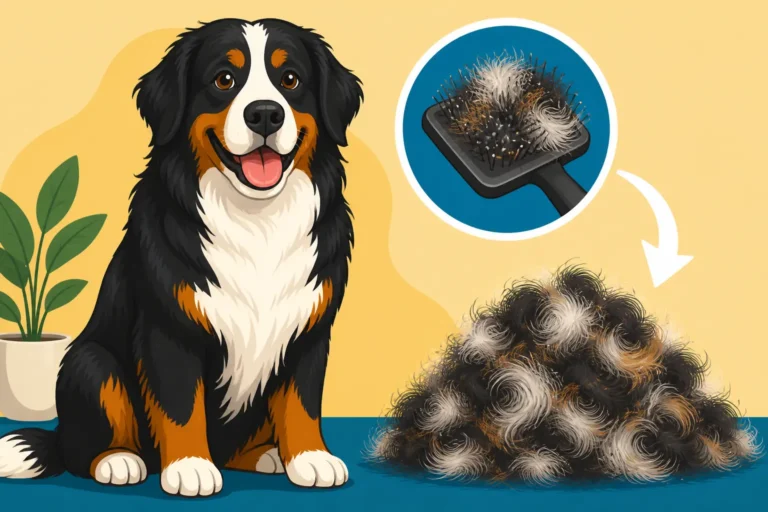
The technique is to brush in sections, working against the lay of the fur to really get down to the skin. Start at one end of your dog and systematically work your way across, lifting the topcoat and raking out the loose undercoat in small sections. You'll be amazed (and perhaps a little horrified) at the sheer volume of fluff that comes out. The goal is to remove all the dead, loose undercoat that would otherwise mat or shed onto your floors. This process allows the skin to breathe, prevents matting from the inside out, and significantly reduces the amount of hair your dog "blows" around the house. Neglecting this deep brushing leads to compacted undercoat, which can cause skin irritation, trap moisture, and make your dog feel much hotter in warm weather. Brushing Out a Bernese Mountain Dog's Undercoat goes into more detail on this essential technique.
How Long Brushing a Bernese Mountain Dog Takes
Let's be realistic here: grooming a Bernese Mountain Dog is not a 15-minute affair. If you're doing a full, thorough brushing, especially if your dog is prone to mats or going through a heavy shedding cycle, you should budget a significant amount of time. A comprehensive session, covering all areas and getting deep into the undercoat, can easily take anywhere from 30 minutes to an hour or even more. This is a common point of frustration for new Berner owners who might underestimate the time commitment.
The time investment largely depends on a few factors: the length and density of your dog's specific coat, whether they have a slightly wavier coat (which tends to mat more easily), and how consistent your daily maintenance has been. If you've been lax, expect to spend longer untangling and de-matting. During seasonal "blow-outs," which happen twice a year (typically spring and fall), you might find yourself doing these longer sessions daily for a week or two just to keep up with the torrent of shedding undercoat. As detailed in How Long Brushing a Bernese Mountain Dog Takes, patience and dedication are your best friends during these times. It's a marathon, not a sprint, but the payoff is a happier, healthier dog and a slightly less hairy home.
Conquering Mats, Tangles, and Felted Patches
Mats are the bane of every long-haired dog owner's existence, and Bernese Mountain Dogs, with their dense double coats, are particularly susceptible. These aren't just cosmetic issues; they can be incredibly painful, restrict movement, and lead to serious skin problems. Tackling them effectively requires patience and the right approach.
Identifying Common Matting Hotspots
You'll quickly learn that certain areas on your Bernese Mountain Dog are mat magnets. These high-friction zones and areas where the fur is finer or longer are prime real estate for tangles to form. Knowing where to look can help you be proactive in your grooming efforts.
- Behind the Ears: This is probably the number one spot. The hair here is often softer and finer, and movement from head shaking combined with contact behind the ear provides perfect conditions for mats to form quickly. These mats can be incredibly tight and pull painfully on the delicate skin.
- Under the Armpits (Elbows): Another high-friction area. Every time your dog walks or runs, their legs rub against their body, causing the hair in this region to tangle and felt. Mats here can restrict movement and become very uncomfortable. Tangles Behind a Bernese Mountain Dog's Elbows explores this common issue.
- The "Trousers" (Back of Hind Legs): The long feathering on the back of their thighs is beautiful but prone to matting from sitting, walking through tall grass, and general friction. Mud and debris can also get easily caught here.
- Around the Ruff/Neck: Where a collar or harness sits, constant rubbing can lead to matted fur, especially if the fit isn't quite right.
- Tail Plume: The long, luxurious tail can gather debris and tangle easily, especially if it gets wet and isn't dried properly.
- Groin and Rear End: Areas that can get damp or accumulate debris are also prone to matting.
Regularly checking these hotspots, even during quick daily brushes, can help you catch small tangles before they become major problems.
Gentle Detangling Techniques
When you encounter a mat, your first instinct might be to pull or yank, but resist this urge at all costs! That will only cause pain and make your dog associate grooming with discomfort, leading to resistance in the future. The key is gentle, patient detangling.
- Isolate the Mat: Carefully separate the matted section from the surrounding healthy fur to avoid pulling unnecessary hair.
- Apply a Detangling Spray or Conditioner: A good detangling spray (you can find many on Amazon or Chewy) can help lubricate the hair strands, making them easier to separate. Spray it directly onto the mat and let it sit for a minute or two.
- Work from the Outside In: Start by gently picking apart the outermost edges of the mat with your fingers. Once you've loosened the outer layers, you can use a slicker brush or a wide-toothed comb.
- Use the "Line Brushing" Method: This technique is essential for mats. Hold the hair closest to the skin with one hand and brush a small section from the mat, working outwards towards the ends of the hair. This prevents pulling on the skin. You're effectively brushing "line by line" through the mat.
- Go Slow and Steady: Don't rush. Small, repeated strokes are far more effective and less painful than aggressive pulling. If your dog shows signs of discomfort, take a break. Reward them for their patience with treats and praise.
For truly tough tangles or felted patches, you might even consider using cornstarch or baby powder on the mat. Sprinkling a little bit on the mat and working it in can sometimes help loosen the strands, making them easier to brush out.
When to Cut a Mat Out of a Bernese Mountain Dog's Coat
Sometimes, despite your best efforts, a mat is just too tight, too close to the skin, or too painful to brush out. In these situations, the kindest and safest option is often to carefully cut the mat out. However, this comes with a huge caveat: extreme caution is required to avoid cutting your dog's skin. Bernese Mountain Dog skin is delicate and can be very thin, especially under a tight mat that has pulled the skin taut.
- Use Blunt-Nosed Scissors: Never use pointed scissors. Blunt-nosed grooming scissors are much safer.
- Lift the Mat Away from the Skin: The most critical step. Slide a comb between the mat and your dog's skin, parallel to the skin. This acts as a protective barrier. Once the comb is underneath, you can feel how much space you have.
- Snip in the Direction of Hair Growth: Make small cuts, going with the direction of the hair, above the comb. Never cut across the mat directly against the skin. You can also make a few small snips into the mat to break it up into smaller, more manageable sections, then try to brush those out.
- Consider a Dematter Tool: As mentioned in the tools section, a dematter tool or mat splitter can be safer than scissors for breaking up large, felted mats. They have guard rails that prevent the blades from touching the skin.
- Know When to Call a Professional: If a mat is large, solid, very close to the skin, or if your dog is showing extreme pain or resistance, do not hesitate to take them to a professional groomer or veterinarian. They have specialized tools and expertise to remove even the most severe mats safely. Attempting to remove a deeply set mat yourself can result in a trip to the emergency vet for stitches. Sometimes, the only humane option for a severely matted dog is a full shave down by a professional, which can be upsetting but is ultimately for the dog's comfort and health. Cutting a Mat Out of a Bernese Mountain Dog's Coat further elaborates on this.
The Art of Bathing a Hundred-Pound Fluffball
Bathing a Bernese Mountain Dog is an undertaking. They’re big, they’re hairy, and they can make a serious mess. But regular baths are crucial for hygiene, coat health, and managing shedding. Approaching it with a plan can save you a lot of grief.
Preparing for the Big Bath
Preparation is key to a smoother (and less messy) bathing experience for both you and your Berner. Don't just drag them to the tub; take a few steps first.
- Brush Thoroughly BEFORE the Bath: This is non-negotiable! Never bathe a matted dog. Water will only tighten mats, making them virtually impossible to remove after the fact and causing extreme discomfort. Dedicate ample time beforehand to brush out every tangle and loosen as much dead undercoat as possible.
- Gather All Your Supplies: Have everything within arm's reach before you get started: shampoo, conditioner, towels, cotton balls for ears, and maybe even a slip-resistant mat for the tub or shower. There’s nothing worse than having a wet, soapy, giant dog and realizing you forgot the conditioner!
- Choose Your Location: For many Berners, a standard bathtub works, but it can be a tight squeeze. Some owners use a walk-in shower, a utility sink (if it's large enough for a puppy), or even an outdoor kiddie pool with a hose if the weather permits. The key is a space where you can comfortably maneuver around your dog and minimize splashing.
- Protect Your Ears (and Your Dog's): Place cotton balls gently in your dog's ears to prevent water from entering the ear canal, which can lead to ear infections. Just remember to remove them afterward!
Taking these preparatory steps will make the actual bathing process significantly less stressful and more efficient, ensuring a better outcome for your beloved Berner.
Washing and Rinsing Thoroughly
Once you're prepped, it's time to get down to business. Remember, a Bernese Mountain Dog's double coat requires deep cleansing and, even more importantly, incredibly thorough rinsing.
- Wet the Coat Completely: This is harder than it sounds with a thick, water-repellent coat. Use lukewarm water and work slowly, saturating the entire coat down to the skin. Start with the feet and work your way up to avoid shocking them with sudden cold water. A sprayer attachment on your hose or showerhead is invaluable for this.
- Apply Shampoo and Lather: Dilute your shampoo slightly with water in a separate bottle – this helps it penetrate the thick coat more easily. Apply it systematically, starting from the neck and working your way down to the tail and legs. Gently massage the shampoo deeply into the coat and down to the skin. Don't be shy; you'll need a good amount for a dog this size. Ensure you get all the white areas to brighten them up.
- Rinse, Rinse, Rinse (and then rinse again!): This is perhaps the most critical step. Residual shampoo left in the coat can irritate the skin, cause itching, and dull the coat. Rinse until you're absolutely sure all traces of shampoo are gone. Run your hands through the coat to feel for any slippery residue. What feels clean on the surface might still have soap clinging to the undercoat. It often takes two or three times longer to rinse a Bernese Mountain Dog than it does to wash them.
- Condition: After rinsing the shampoo, apply conditioner, again working it thoroughly into the coat. Let it sit for the recommended time (usually 3-5 minutes) to really penetrate and soften the hair. This will make drying and subsequent brushing much easier.
- Final Rinse: Rinse the conditioner out just as meticulously as the shampoo. When you think you're done, rinse for another minute. Seriously.
The sheer volume of hair means you'll spend a lot of time on these steps, but thoroughness here prevents future problems.
The Drying Challenge: Getting a Bernese Mountain Dog Dry
Drying a Bernese Mountain Dog is where many owners throw in the towel (literally and figuratively!). Their dense double coat can hold an astonishing amount of water, and improper drying can lead to big problems.
- Towel Dry Vigorously (Initially): Immediately after bathing, use several absorbent towels to soak up as much excess water as possible. Blot and squeeze the coat rather than rubbing, which can create tangles. Get out as much surface moisture as you can.
- Enter the Force Dryer: As mentioned, this is your secret weapon. If you don't have one, consider it a top priority. A force dryer (high-velocity dryer) pushes air at such a force that it blasts water out of the coat and helps to separate and "blow out" loose undercoat. Work in sections, holding the nozzle a few inches from the coat and moving it systematically. You'll see water literally flying off your dog. This process not only speeds drying time immensely but also helps in de-shedding.
- Brush While Drying: As you use the force dryer, use a pin brush or slicker brush to help separate the hair and ensure air gets to the skin. This also helps to smooth the coat and prevent new tangles from forming as it dries.
- Ensure They Are COMPLETELY Dry: This cannot be stressed enough. A damp undercoat, especially on a Bernese Mountain Dog, is a breeding ground for yeast, bacteria, and hot spots. It can also lead to that unpleasant "wet dog" smell that just never seems to go away. Pay particular attention to the dense areas like the neck ruff, the "trousers," and the tail plume. Feel deep down to the skin to ensure it's dry. If your dog is going to air dry, make sure they are in a warm, draft-free area, but understand this can take many, many hours for a Berner, making them susceptible to the issues mentioned above. As discussed in Why a Damp Bernese Mountain Dog Develops Sores, lingering moisture is a serious health concern. This drying process alone, even with a force dryer, can easily take an hour or more for a fully soaked Berner.
Navigating the Seasonal Bernese Mountain Dog Shed
If you own a Bernese Mountain Dog, you've likely come to terms with the fact that hair is now a permanent accessory in your life. But seasonal shedding, often called "blowing coat," is a whole different beast. It’s when their already generous shedding goes into overdrive.
Understanding the "Blow Out" Phenomenon
Bernese Mountain Dogs, like many double-coated breeds, typically experience two major "blow outs" each year. This is when they shed their entire undercoat to adapt to changing temperatures.
- Spring Shed: As winter gives way to warmer temperatures, your Berner will shed their thick winter undercoat to make way for a lighter summer coat. This is usually the more dramatic of the two sheds. You'll find tumbleweeds of soft, woolly hair appearing as if by magic. For specific insights into this period, refer to Spring, When a Bernese Mountain Dog's Undercoat Lets Go.
- Fall Shed: In preparation for winter, they'll shed their lighter summer undercoat to grow in a denser, warmer winter coat. While still significant, this shed is often slightly less intense than the spring blow.
During a blow out, your dog isn't just dropping a few hairs; they're actively pushing out large quantities of their insulating undercoat. This process can last for several weeks. It's an entirely natural and necessary physiological process, but for owners, it means a lot of extra grooming and cleaning. Failure to help your dog shed this dead undercoat can lead to matting, skin irritation, and discomfort due to overheating, as the trapped old hair prevents proper air circulation.
Strategies for Minimizing Hair Around the House
Let's face it, no matter how much you groom, some Berner hair will inevitably find its way into every corner of your home, your clothes, and occasionally, your food. But there are strategies to minimize the impact.
- Consistent Deep Brushing: This is your primary defense. During a blow out, you may need to increase your deep brushing sessions to daily or every other day, focusing on getting that dead undercoat out before it falls out naturally inside your house. An undercoat rake and a force dryer are your best friends here.
- Dedicated Grooming Space: If possible, groom your Berner in an area that's easy to clean, like a tiled garage, laundry room, or even outside on a nice day. This helps contain the fur explosion.
- Invest in a Good Vacuum: This is not a suggestion; it's a necessity. You need a vacuum cleaner designed to handle pet hair. Look for models with powerful suction, good filtration, and tangle-free brush rolls. Regular vacuuming (daily, sometimes twice daily during shedding season) will be part of your routine. Brands like Dyson or Shark often have excellent pet hair specific models that you can find on Amazon.
- Lint Rollers & Furniture Covers: Keep lint rollers everywhere – by the door, in your car, in your purse. Consider washable throws or slipcovers for furniture that your Berner frequents.
- Air Purifiers: While they won't stop the hair from falling, air purifiers with HEPA filters can help reduce airborne dander and fine hair, which can be beneficial for allergy sufferers.
- Routine Cleaning: Beyond vacuuming, regularly dust surfaces and wipe down floors. Microfiber cloths are excellent for picking up stray hairs.
Embrace the hair, but fight the good fight. It's part of the Berner charm!
Whether a Deshedding Treatment Helps a Bernese Mountain Dog
You've probably seen products or services advertised as "deshedding treatments." Do they actually work for a Bernese Mountain Dog? The answer is generally yes, they can be quite effective, especially during those intense seasonal blow-outs.
A professional deshedding treatment typically involves a combination of specialized shampoos, conditioners, thorough brushing with tools like an undercoat rake, and most importantly, the use of a high-velocity force dryer. The force dryer is crucial because its powerful blast of air literally pushes the dead, loose undercoat out of the live coat, a process that is much more efficient than brushing alone. Many professional groomers offer these services, and it can be a huge relief if you're struggling to keep up with the shedding at home or simply don't have the right equipment.
While home deshedding tools like specific rakes (e.g., FURminator) are beneficial for regular maintenance, a professional treatment often achieves a deeper, more complete removal of the dead undercoat, which can significantly reduce shedding in your home for several weeks. If you choose to do it at home, investing in your own force dryer is the closest you'll get to a professional result. The cost of these treatments can vary, but many owners find them well worth it, especially twice a year when their Berner is really blowing their coat. It can dramatically cut down on the vacuuming and lint rolling you'll need to do.
Beyond the Brush: Other Grooming Necessities
Grooming isn't solely about brushing and bathing the coat. A truly comprehensive approach means paying attention to all the smaller, yet equally important, details that contribute to your Bernese Mountain Dog's overall health and comfort. Neglecting these areas can lead to pain, infection, and expensive vet bills.
Nail Trimming and Paw Pad Care
Your Bernese Mountain Dog's feet are their foundation, carrying their impressive weight through life. Proper paw care is critical.
- The Importance of Short Nails: Overly long nails are a common issue for many dogs, and large breeds like Berners are no exception. When nails are too long, they push up into the paw pad, causing pain and splaying the toes. This can affect their gait, leading to discomfort in their joints and spine, and potentially contributing to conditions like arthritis down the line. Ideally, you shouldn't hear your dog's nails clicking on hard floors when they walk.
- Trimming Frequency: Nails should be trimmed every 2-4 weeks, depending on how quickly they grow and how much natural wear they get from walking on rough surfaces. For Berners with black nails, it can be tricky to see the quick (the pink part containing nerves and blood vessels). If unsure, trim small amounts more frequently or use a grinder, which allows for more control. Consistent trimming helps the quick recede over time, allowing you to get the nails shorter.
- Paw Pad Health: Their paw pads protect them from various surfaces, but they can become dry, cracked, or injured. Regularly inspect your Berner's paw pads for cuts, thorns, pebbles, or excessive dryness. In winter, road salt and ice can be particularly harsh. Consider using a paw balm or wax (many brands available on Chewy or Amazon) to protect and moisturize their pads. Don't forget the hair between their toes – it can mat, collect debris, and cause discomfort. Keep it trimmed flush with the paw pads.
Teaching your Berner to accept paw handling from a young age is invaluable, as it makes nail trims and inspections much less stressful for everyone involved.
Ear Hygiene and Eye Area Cleaning
These sensitive areas require regular, gentle attention to prevent infections and keep your Berner looking their best.
- Ear Cleaning: Bernese Mountain Dogs have floppy ears, which can trap moisture and heat, creating an ideal environment for yeast and bacterial infections.
- Weekly Inspection: Lift their ear flaps and visually inspect the inside of their ears weekly. Look for redness, swelling, discharge (brown, black, or yellowish), or a foul odor. A little earwax is normal, but excessive buildup is not.
- Gentle Cleaning: If the ears look a bit waxy but otherwise healthy, use a dog-specific ear cleaning solution. Apply a small amount into the ear canal, gently massage the base of the ear for 30 seconds, then allow your dog to shake their head. Use a cotton ball or gauze wrapped around your finger to wipe out any visible debris or solution from the outer ear canal. Never insert anything into the ear canal. If you suspect an infection (strong odor, excessive discharge, pain), consult your vet. More detailed instructions can be found in Cleaning a Bernese Mountain Dog's Ear Flaps.
- Eye Area Cleaning: Berners, especially those with prominent white facial markings, can sometimes get tear staining or crusty discharge around their eyes.
- Daily Wipes: Use a soft, damp cloth or a designated dog eye wipe to gently clean away any discharge or crust from around their eyes. Always wipe away from the eye, towards the nose, and use a fresh part of the cloth (or a new wipe) for each eye to prevent cross-contamination.
- Be Gentle: The skin around the eyes is very delicate. Never rub harshly or use irritating chemicals. If you notice excessive redness, swelling, green/yellow discharge, or if your dog is pawing at their eyes, consult your veterinarian immediately.
Maintaining good hygiene in these areas is crucial not only for aesthetics but also for preventing painful and potentially serious health issues.
Dental Care: A Forgotten Grooming Step
It might not be the first thing that comes to mind when you think of grooming, but dental care is absolutely fundamental to your Bernese Mountain Dog's overall health, and it starts at home. Periodontal disease is one of the most common health problems in dogs, often beginning by age three, and can lead to far more serious issues.
- The Risks of Poor Dental Hygiene: Plaque and tartar buildup can lead to gingivitis (inflammation of the gums), which progresses to periodontal disease. This can cause pain, tooth loss, and allows bacteria to enter the bloodstream, potentially affecting vital organs like the heart, kidneys, and liver.
- Daily Brushing is Ideal: The gold standard for dental care is daily brushing with a dog-specific toothbrush and enzymatic toothpaste (never human toothpaste, which contains ingredients toxic to dogs). Start slowly, getting your Berner accustomed to having their mouth handled. Even a few seconds of brushing on the outer surfaces of their teeth can make a difference.
- Dental Chews and Additives: While not a substitute for brushing, dental chews, water additives, and specialized dental diets can help reduce plaque and tartar buildup. Choose high-quality dental chews that are appropriately sized for your Berner's powerful jaws and designed to last.
- Professional Cleanings: Despite home efforts, most dogs will eventually need professional dental cleanings under anesthesia at the vet. These cleanings allow the vet to thoroughly scale and polish teeth, both above and below the gumline, and address any potential issues like cracked teeth or infections. Your at-home care helps extend the time between these professional cleanings.
Incorporating dental care into your Berner's routine isn't just about fresh breath; it's about preventing systemic health problems and ensuring a better quality of life.
Professional Help or DIY: Deciding Your Grooming Path
As you can see, grooming a Bernese Mountain Dog is a significant time and effort commitment. It's a valid question for any Berner owner: do I do it myself, or do I seek professional help? The answer often lies in a combination of factors, and for many, it's a mix of both.
The Benefits of a Skilled Professional Groomer
While at-home grooming is essential, there are distinct advantages to utilizing the services of a professional groomer, especially one experienced with large, double-coated breeds like Berners.
- Expertise and Experience: Professional groomers have specialized training and a keen eye for identifying skin conditions, ear infections, or unusual lumps and bumps that you might miss. They understand breed-specific grooming requirements and how to handle different coat textures.
- Specialized Equipment: Grooming shops are equipped with industrial-strength tubs, high-velocity dryers, and a wide array of brushes and tools that make the process more efficient and effective. Trying to bathe and dry a 100-pound Bernese Mountain Dog in a standard home bathroom is a completely different (and often more challenging) experience.
- Mat Removal: When mats are severe or close to the skin, a professional groomer can safely and humanely remove them using specialized techniques and tools, minimizing stress and preventing injury to your dog.
- Time-Saving: Let's be honest, grooming a Berner can take hours. A professional groomer can complete a full bath, dry, brush, nail trim, and ear cleaning much more quickly than most owners can at home. This can be a huge time-saver for busy families.
- Behavioral Handling: Groomers are skilled at handling dogs of various temperaments, including those who might be less enthusiastic about grooming. They can often work through resistance more effectively than an owner.
For many Bernese Mountain Dog owners, a trip to the professional groomer every few months (especially during heavy shedding seasons) is an excellent way to supplement their at-home care, ensuring their dog's coat remains in top condition without the owner having to shoulder the entire burden.
Grooming a Bernese Mountain Dog Too Big to Lift
This is a real logistical challenge for many Berner owners, especially as their dogs age or if they have mobility issues. A hundred-pound dog that's reluctant to get into the tub or needs assistance for standing can make grooming an Olympic event.
- Walk-in Shower/Accessible Tub: If you're designing or renovating a bathroom, consider a walk-in shower with a handheld sprayer. This allows your Berner to simply walk in, rather than needing to be lifted. Similarly, some accessible tubs have doors.
- Ramps or Steps: For dogs that can still manage, a sturdy ramp can help them get into a standard tub or even into a dedicated dog grooming tub. Ensure it's slip-resistant.
- Grooming Tables with Lifting Arms: Professional groomers use hydraulic or electric grooming tables that can lower to the ground for easy access and then lift the dog to a comfortable working height. This is a significant investment for a home groomer but can be invaluable for large, immobile dogs.
- Harness Support: If your Berner struggles to stand for extended periods, a supportive harness designed to aid lifting or provide stability can be helpful during brushing sessions.
- Mobile Groomers: A fantastic option for large, difficult-to-lift dogs is a mobile groomer. They come to your home in a fully equipped van, eliminating the need to transport your dog and providing a less stressful environment. This is particularly useful for grooming a Bernese Mountain Dog that cannot stand or move easily.
- Breaking it Down: If a full grooming session is too much for your dog to handle in one go, break it into smaller, manageable chunks. Do brushing one day, nails another, and a quick bath on a third.
- Veterinary Grooming: In extreme cases, where a dog is elderly, in pain, or has severe mobility issues, your veterinarian may be able to offer sedated grooming or bathing services. This should be a last resort but ensures the dog's comfort and safety.
Don't underestimate the physical challenge of grooming a large dog, and don't hesitate to seek solutions that prioritize both your dog's comfort and your own physical well-being.
Cost Considerations and Long-Term Planning
Grooming, whether DIY or professional, has associated costs, and it's wise to factor these into your Bernese Mountain Dog budget.
DIY Costs:
- Initial Tool Investment: A good quality set of brushes, rakes, clippers, ear cleaner, shampoo, and conditioner can easily cost over a hundred dollars, potentially more if you invest in a high-velocity dryer.
- Consumables: Shampoo, conditioner, paw balm, dental supplies, and detangling sprays will be ongoing expenses.
- Time: Your time is a valuable commodity, and grooming a Berner takes a lot of it.
Professional Grooming Costs:
- Service Fees: A full-service groom for a Bernese Mountain Dog can range significantly based on location, the groomer's experience, and the condition of your dog's coat (matted coats will incur extra fees). Expect a Bernese Mountain Dog groom to be on the higher end due to their size and coat density. As for Whether a Groomer Charges Extra by Bernese Mountain Dog Size, the answer is almost always yes; they require more product, more time, and more effort.
- Frequency: If you opt for professional grooms, consider how often you'll need them. Quarterly might be a good starting point, with more frequent visits during shedding season if needed.
Long-Term Planning:
- Prevention is Cheaper: Investing time and money in regular at-home grooming can significantly reduce the need for expensive professional de-matting services or veterinary treatment for skin infections.
- Budgeting: Allocate a monthly budget for grooming supplies and/or professional services.
- Training and Socialization: Early positive experiences with handling and grooming, even simple brushing as a puppy, will make future grooming sessions much easier and less stressful for both of you. The Weekly Handling a Bernese Mountain Dog Should Accept guideline starts even before their first bath.
Ultimately, whether you lean more towards DIY or professional services, a consistent, thoughtful approach to grooming is not just about keeping your Bernese Mountain Dog looking good; it's a fundamental part of their health, comfort, and well-being. It’s a labor of love, but one that is absolutely essential for these magnificent dogs.
| Grooming Tool Type | Primary Use (Bernese Mountain Dog) | Frequency of Use | Key Benefits |
|---|---|---|---|
| Undercoat Rake | Removing loose undercoat, preventing mats | 2-3 times/week (more in shedding season) | Reduces shedding, prevents matting, improves air circulation |
| Slicker Brush | Removing loose topcoat, surface tangles, feathering | Daily to every other day | Smooths coat, removes debris, light detangling |
| Pin Brush | General brushing, distributing oils, light tangles | Daily | Gentle detangling, overall coat health |
| Dematter Tool | Breaking up tough mats (use with extreme caution) | As needed (infrequent, if routine is good) | Safely addresses severe mats |
| Nail Clippers/Grinder | Trimming nails | Every 2-4 weeks | Prevents painful overgrown nails, maintains paw health |
| Force Dryer | Drying coat thoroughly after baths | After every bath | Speeds drying, blasts out undercoat, prevents skin issues |
| Ear Cleaner | Cleaning ear canals | Weekly or as needed | Prevents ear infections, removes wax |
| Dental Brush/Paste | Cleaning teeth | Daily (ideally) | Prevents periodontal disease, promotes oral health |
Disclaimer
This article is for general informational purposes only and does not constitute professional advice. Laws, prices and regulations vary by location and change over time. Consult a qualified professional for guidance on your specific situation.