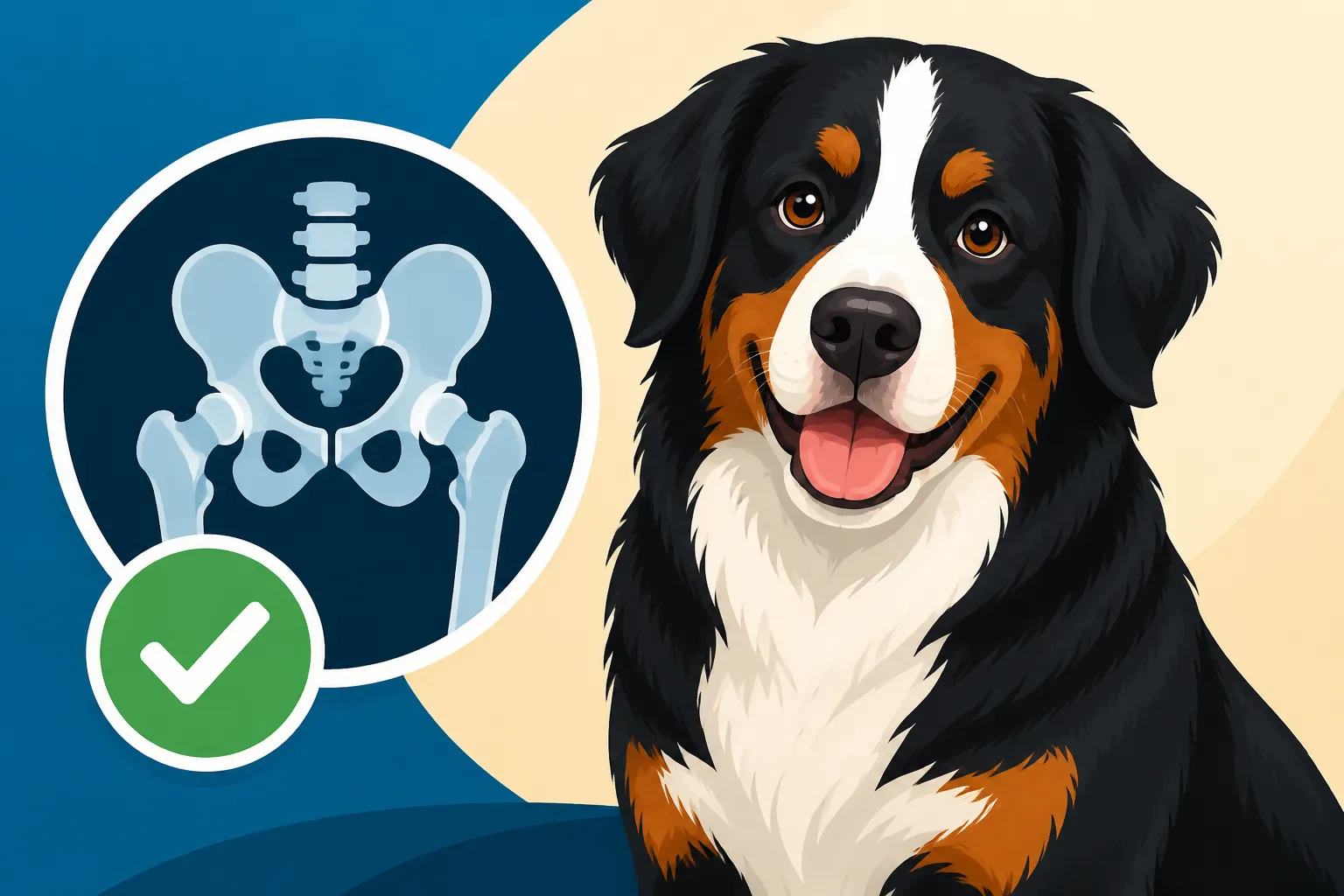
Whether Hip Dysplasia Is Excluded on a Bernese Mountain Dog
One of the most heart-wrenching realities for Bernese Mountain Dog owners is the high likelihood of joint issues, particularly hip dysplasia. Discovering your beloved giant breed is suffering can be devastating, and the financial implications of managing such a condition are often overwhelming. This guide will walk you through the complexities of pet insurance coverage for hip dysplasia in Bernese Mountain Dogs, helping you understand exclusions, what to look for in a policy, and how to proactively manage this common health challenge.
Understanding Hip Dysplasia in Bernese Mountain Dogs
Hip dysplasia is a significant concern for anyone who shares their life with a Bernese Mountain Dog. It’s not just a fancy vet term; it's a painful, debilitating condition that can severely impact your dog's quality of life and your family's budget. These magnificent dogs are prone to a range of orthopedic issues, and hip dysplasia is right at the top of that list.
The Genetic Predisposition
At its core, hip dysplasia is a hereditary condition where the ball and socket joint of the hip do not fit together properly. Instead of a smooth, snug fit, the joint is loose, causing friction and abnormal wear. Over time, this leads to the degeneration of the joint, chronic pain, and arthritis. For a big, heavy breed like the Bernese Mountain Dog, every pound they carry puts immense pressure on these already compromised joints. Imagine having a loose, grinding hip with every step you take; that’s the reality for many Berners. This is precisely why we often see Joint Disease in a Hundred Pound Bernese Mountain Dog causing so much concern among owners. It's a cruel twist that such a majestic and active breed can be plagued by a condition that makes movement difficult.
The genetic component means that if a puppy's parents or grandparents had hip dysplasia, the puppy is at a higher risk, even if they show no signs early on. It's not something that just appears out of nowhere; it's often a ticking time bomb from their lineage. This makes responsible breeding and thorough health clearances absolutely critical, a topic we'll touch upon later as a preventive measure.
Early Signs and Diagnosis
Recognizing the early signs of hip dysplasia in your Bernese Mountain Dog can be challenging because these stoic dogs often hide discomfort. They are eager to please and will try to keep up, even if they’re in pain. However, there are subtle clues if you know what to look for. You might notice a slight stiffness after rest, especially first thing in the morning or after a nap. Your Berner might have difficulty getting up from a lying position, or they might seem reluctant to jump into the car or go up stairs. A classic sign is a "bunny hop" gait, where they use both back legs simultaneously to propel themselves forward, trying to minimize stress on individual hips.
Other indicators include a decreased range of motion in their hips, a noticeable decrease in activity level, or a reluctance to run or play. Sometimes, the muscle mass in their hindquarters can begin to waste away as they shift weight to their front legs. If you suspect anything, don't wait. A visit to the vet for a thorough examination, including palpation of the hips and often X-rays, is essential for an accurate diagnosis. Early diagnosis doesn't just confirm the issue; it allows for proactive management to slow progression and improve comfort. You might want to refer to Signs a Bernese Mountain Dog's Hips Hurt for more detailed behavioral cues.
Treatment and Long-Term Management
Once diagnosed, the approach to managing hip dysplasia in a Bernese Mountain Dog is multi-faceted, ranging from conservative management to surgical intervention. Conservative treatments typically involve anti-inflammatory medications, pain relievers, and joint supplements like glucosamine and chondroitin. Weight management is paramount; keeping your Berner lean significantly reduces the load on their hips. Physical therapy, including hydrotherapy and targeted exercises, can help strengthen supporting muscles and improve mobility. Many owners find starting their Bernese Mountain Dog on Starting a Bernese Mountain Dog on Joint Medication Young can be beneficial in the long run.
For more severe cases, or when conservative methods no longer provide adequate relief, surgical options might be considered. These can include Femoral Head Ostectomy (FHO) for smaller dogs or Total Hip Replacement (THR) for larger breeds like Berners. THR is a major surgery, but it can offer a complete return to pain-free function and greatly improve a dog’s quality of life. However, these surgeries are incredibly expensive, and recovery requires dedicated care and rehabilitation. The sheer cost is why many owners consider The Case for Replacing a Bernese Mountain Dog's Hip very carefully. The decision for surgery is a big one, both emotionally and financially, highlighting the critical role pet insurance can play.
Navigating Pet Insurance and Pre-Existing Conditions
This is where the rubber meets the road for many Bernese Mountain Dog owners. You’ve done your research, found a beautiful puppy, and maybe you've heard whispers about hip issues. You want to be prepared, so you start looking into pet insurance. But then you encounter the dreaded phrase: "pre-existing conditions." This is often the biggest hurdle to getting coverage for a condition like hip dysplasia, which has a strong genetic component and can manifest early in life.
The Definition of a Pre-Existing Condition
In the world of pet insurance, a pre-existing condition is generally defined as any illness or injury that your pet showed signs of, or was diagnosed with, before your policy's effective date or during its waiting period. This is a crucial distinction. It's not just about a formal diagnosis; even symptoms noted by a vet, or sometimes even observed by you, can flag a condition as pre-existing in the insurer's eyes. For example, if your Berner started limping at six months old, and you got insurance at seven months, even if the hip dysplasia wasn't formally diagnosed until nine months, the insurer might still deem it pre-existing due to that documented limping incident.
This means that if you enroll your Bernese Mountain Dog in a policy after they've already shown signs of stiffness, lameness, or had a vet note concerns about their gait, any future claims related to hip dysplasia are very likely to be denied. Insurance companies, understandably, want to cover unforeseen accidents and illnesses, not conditions that were already present or developing. This is why securing a policy when your Bernese Mountain Dog is a young puppy, with a clean bill of health, is often advised.
When Does Hip Dysplasia Become Pre-Existing?
The timing for hip dysplasia is particularly tricky because it's a developmental condition. A puppy might be genetically predisposed, but not show outward symptoms until later. However, insurers are often very stringent with orthopedic issues. If your vet records any sign of lameness, stiffness, "bunny hopping," or even mentions a "loose gait" during a routine check-up before or during the policy's waiting period, that could be enough for the condition to be classified as pre-existing. This includes the initial waiting periods, which can be longer for orthopedic conditions (sometimes 6-12 months) than for accidents or other illnesses.
Let's say you get a policy with Healthy Paws for your four-month-old Berner. The standard waiting period for accidents might be 15 days, but for orthopedic conditions like hip dysplasia, it could be 6 months. If your Berner starts showing symptoms of limping at five months, even before the 6-month orthopedic waiting period is over, those symptoms could be marked as pre-existing, and any subsequent diagnosis or treatment might be excluded. This is a common frustration for owners, who feel they bought insurance to protect against such things, only to find themselves caught in a technicality.
Impact on Coverage
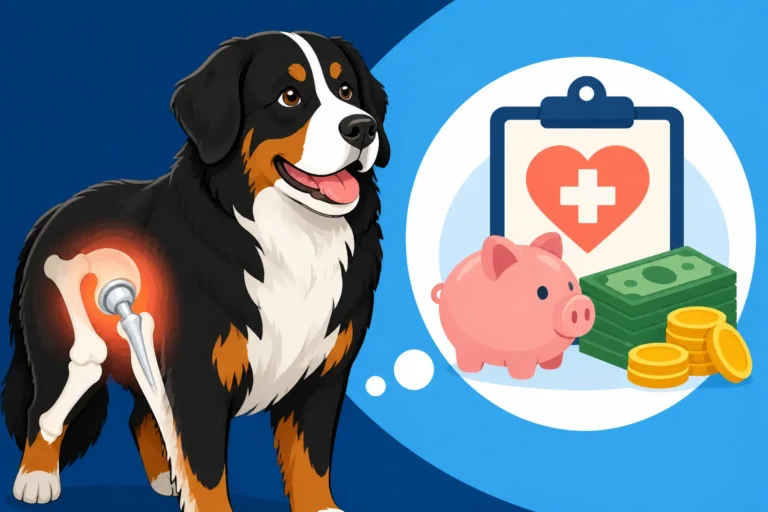
When hip dysplasia is excluded as a pre-existing condition, the financial burden falls entirely on you, the owner. This can mean tens of thousands of dollars for diagnostics, medications, physical therapy, and potentially multiple surgeries over your dog's lifetime. A single hip replacement surgery, for example, can easily run into five figures. If both hips are affected, as is often the case with bilateral hip dysplasia, those costs double. This is a stark reality that can leave families facing impossible choices between their dog's comfort and their financial stability.
The inability to get coverage for hip dysplasia can also impact ongoing care. Even if surgery isn't chosen, the cost of lifelong pain management, anti-inflammatories, and joint supplements can add up significantly. Brands like Chewy, which offer pet insurance options, often have similar policies regarding pre-existing conditions, so it's vital to read the fine print of any plan you consider, regardless of the provider. Understanding these exclusions upfront is crucial for setting realistic expectations and planning for your Berner's care.
What to Look For in a Bernese Mountain Dog Insurance Policy
Given the high risk of hip dysplasia and the strict rules around pre-existing conditions, choosing the right pet insurance for your Bernese Mountain Dog requires careful consideration and strategic planning. It’s not just about picking the cheapest option; it’s about finding a policy that will truly be there for you when you need it most.
Timing is Everything
Seriously, this cannot be stressed enough: enroll your Bernese Mountain Dog in pet insurance as early as possible. The ideal time is when they are a young puppy, ideally before their first vet check-up that might record any potential concerns. If your puppy is 8 weeks old and has a clean bill of health, that’s the moment to get coverage locked in. Any documented symptom or diagnosis by a veterinarian before your policy's effective date or during the waiting periods will likely render that condition "pre-existing" and therefore excluded. This foresight can literally save you tens of thousands of dollars down the line.
Even if you adopt an older Bernese Mountain Dog, it's still worth exploring options, but be prepared for potential exclusions based on their existing vet history. Some insurers might offer policies with shorter orthopedic waiting periods, or even plans that might cover certain genetic conditions after a long symptom-free period, but these are rare and typically come at a higher premium. The bottom line remains: the younger and healthier your Berner is at enrollment, the better your chances of comprehensive coverage for potential issues like hip dysplasia.
Understanding Waiting Periods
Beyond the general rule about pre-existing conditions, specific waiting periods are a critical factor, especially for orthopedic issues. Most pet insurance policies have:
- Accident Waiting Period: Usually short, sometimes as little as 24-48 hours.
- Illness Waiting Period: Typically 14 days.
- Orthopedic/Ligament/Cruciate Waiting Period: This is the big one for Berners and can range from 30 days to 12 months.
For hip dysplasia, you need to pay close attention to the orthopedic waiting period. If your Bernese Mountain Dog shows any signs of hip discomfort during this period, even if you hadn't noticed it before, the condition could be flagged as pre-existing. Some policies might even require an orthopedic exam or a waiver during enrollment if your dog is an at-risk breed like a Berner. Make sure you understand these specific waiting periods for any policy you consider and plan accordingly.
Policy Features and Riders
When comparing different pet insurance providers, delve into the details of what each policy offers, especially regarding genetic and hereditary conditions. Look for policies that explicitly state they cover hereditary and congenital conditions, provided they are not pre-existing.
Here’s what to scrutinize:
- Annual Limits: Some policies have caps on how much they will pay out per year. Given the potential costs of hip dysplasia treatment, including surgery and ongoing care, an unlimited annual payout is highly desirable for a Bernese Mountain Dog. This is why many owners prefer Whether an Unlimited Policy Suits a Bernese Mountain Dog to avoid hitting payout ceilings quickly.
- Reimbursement Percentage: This is the percentage of eligible vet bills the insurer will cover after your deductible is met (e.g., 70%, 80%, 90%).
- Deductible: The amount you pay out-of-pocket before your insurance starts to reimburse you. Higher deductibles usually mean lower monthly premiums.
- Bilateral Conditions: Some policies might treat conditions that affect both sides of the body (like bilateral hip dysplasia) as one condition, meaning you only pay one deductible. Others might apply a deductible to each hip. Clarify this!
- Rehabilitation Coverage: Physiotherapy, hydrotherapy, and other rehab services are often crucial for managing hip dysplasia, pre and post-surgery. Ensure these are covered.
- Medication Coverage: Chronic pain management requires ongoing medication. Confirm these are included in the policy.
Comparing Providers
It’s always a good idea to shop around and get quotes from multiple reputable pet insurance providers. While each company has its nuances, many follow similar guidelines regarding pre-existing conditions. Look at companies like Healthy Paws, which is often praised for its comprehensive coverage for accidents and illnesses, including hereditary conditions, as long as they are not pre-existing. Chewy, through its partnership with various insurers, also offers a range of options that can be explored.
When you're comparing, ask direct questions about how they handle hip dysplasia for Bernese Mountain Dogs. Inquire about their specific orthopedic waiting periods and how they define a pre-existing condition, especially for a breed known for these issues. Don't be afraid to ask for a sample policy document to read all the terms and conditions carefully before committing. Remember that Why the Bernese Mountain Dog Is Expensive to Insure is a common concern, but comprehensive coverage can still be a worthwhile investment.
| Scenario for Hip Dysplasia | Insurer's Assessment (Typical) | Potential Outcome for Coverage |
|---|---|---|
| Puppy enrolled at 10 weeks, no symptoms, X-rays clear, no vet notes. | Condition not present before/during waiting period. | Likely Covered |
| Puppy enrolled at 4 months, vet notes mild stiffness at 5 months (during waiting period), diagnosed at 8 months. | Symptoms appeared during waiting period. | Likely Excluded (Pre-existing) |
| Adult dog adopted, previous vet records show lameness or "hip laxity" noted years prior. | Condition documented before policy start. | Likely Excluded (Pre-existing) |
| Adult dog enrolled, no prior symptoms/diagnosis. Develops severe symptoms at 7 years old. | Condition arose after waiting periods. | Likely Covered |
| Owner chooses a plan without specific hereditary/congenital condition coverage. | Condition (even if not pre-existing) may not be covered by policy type. | Likely Excluded (Policy limitation) |
Proactive Steps Beyond Insurance
While pet insurance is a vital safety net, it's not the only tool in your arsenal for protecting your Bernese Mountain Dog from the pain and expense of hip dysplasia. Proactive management starts long before a diagnosis and involves careful selection, nutrition, and lifestyle choices.
Choosing a Reputable Breeder
This is perhaps the single most impactful step you can take to mitigate the risk of hip dysplasia. A reputable Bernese Mountain Dog breeder prioritizes health over profit and will conduct extensive health testing on their breeding dogs. For hips, this means X-rays evaluated by organizations like the Orthopedic Foundation for Animals (OFA) or PennHIP. Look for parents with OFA "Good" or "Excellent" hip ratings. Don't just take a breeder's word for it; ask to see the official certificates. Responsible breeders will be transparent and proud to show you the health clearances for both parents. You should absolutely check for OFA Clearances a Bernese Mountain Dog Should Have and understand Reading a Bernese Mountain Dog's Hip Certificate.
Beyond just the parents, a good breeder will know the health history of their entire line, looking several generations back. They should be able to discuss the longevity and common health issues, including hip dysplasia, in their dogs' pedigrees. A fantastic resource for this is the Berner-Garde Database, where you can Searching Berner-Garde Before Buying a Bernese Mountain Dog to look up individual dogs and their lineage's health statistics. While no breeder can guarantee a puppy will never develop hip dysplasia, choosing a puppy from health-tested parents significantly reduces the risk.
Lifestyle Management
Once your Bernese Mountain Dog is home, their daily care plays a huge role in supporting healthy joint development and preventing the exacerbation of any underlying conditions.
- Controlled Growth and Nutrition: Rapid growth in large breed puppies can put undue stress on developing joints. Feed a high-quality, large-breed puppy food that is specifically formulated to promote slow, steady growth. Avoid overfeeding, as excess weight is a major contributor to hip dysplasia development and severity. Brands like Ollie, known for their fresh, portion-controlled meals, can be an excellent choice for ensuring your Bernese Mountain Dog maintains an ideal body condition throughout their life, which is critical for joint health. Pay close attention to Feeding a Bernese Mountain Dog Puppy to a Hundred Pounds to avoid issues.
- Appropriate Exercise: While exercise is essential, intense, high-impact activities like jumping, long runs on hard surfaces, or strenuous agility training should be avoided, especially during puppyhood. Focus on controlled, moderate exercise like leash walks and swimming, which is low-impact and excellent for building muscle without stressing joints. The "five-minute rule" (five minutes of exercise per month of age, twice a day) is a good guideline for puppies.
- Weight Management: This cannot be emphasized enough. A lean Bernese Mountain Dog is a healthier Bernese Mountain Dog. Every extra pound adds strain to their joints. Regularly assess your dog's body condition score; you should be able to easily feel their ribs without seeing them prominently, and they should have a discernible waist. If your Berner starts to carry extra weight, work with your vet to adjust their diet and increase appropriate exercise. There's a strong correlation with Whether a Lean Bernese Mountain Dog Lives Longer for many reasons, joint health being a primary one.
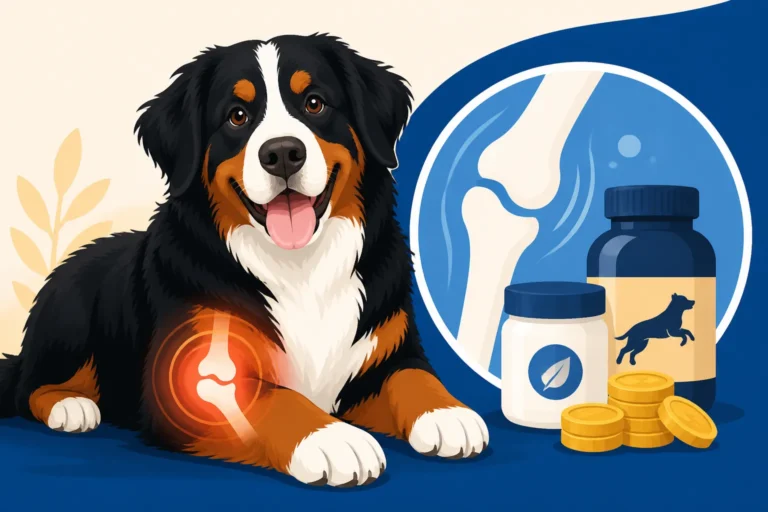
- Joint Supplements: Many owners choose to start their Berners on joint supplements containing glucosamine, chondroitin, and MSM early in life, even before any signs of issues. While not a cure, these can support cartilage health and may help slow the progression of arthritis. Always consult your vet before adding any supplements to your dog’s regimen.
Building a Dedicated Savings Fund
Even with the best insurance and proactive care, unexpected costs can arise, or you might have deductibles or co-pays to cover. Consider setting up a dedicated savings account specifically for your Bernese Mountain Dog's medical needs. This "emergency fund" can act as a buffer for anything not covered by insurance, or for those initial costs before your reimbursement kicks in. Having a safety net like How Much a Bernese Mountain Dog Emergency Fund Should Hold can provide immense peace of mind and ensure you can always make the best health decisions for your furry family member without financial stress.
This approach, combining responsible breeding, preventative care, and financial planning, offers the most comprehensive protection against the challenges that hip dysplasia can present to Bernese Mountain Dog owners.
Disclaimer
This article is for general informational purposes only and does not constitute professional advice. Laws, prices and regulations vary by location and change over time. Consult a qualified professional for guidance on your specific situation.