Hip and Elbow Surgery Costs for a Bernese Mountain Dog
One of the hardest parts of being a Bernese Mountain Dog parent is facing the reality that these magnificent, gentle giants are prone to some rather significant health challenges, especially when it comes to their joints. It's truly heartbreaking to see your beloved Berner struggling with pain or lameness, and the thought of surgery, let alone the potential costs, can be incredibly overwhelming. This guide is here to walk you through the various hip and elbow surgeries your Bernese Mountain Dog might need, offering a realistic look at the financial implications and the journey ahead, so you can feel a little more prepared, even when your heart aches.
Understanding Why Bernese Mountain Dogs Need Joint Surgery
Bernese Mountain Dogs are predisposed to a range of orthopedic conditions, largely due to their rapid growth rate and substantial size. It’s a sad reality that these conditions can significantly impact their quality of life, often requiring surgical intervention to restore comfort and mobility. As a Berner owner, understanding these predispositions isn't about doom and gloom, but about being informed and prepared.
The Prevalence of Hip Dysplasia in Berners
Hip dysplasia is a condition that haunts many large breed dog owners, and Bernese Mountain Dogs are unfortunately no exception. It's essentially a malformation of the hip joint, where the ball (femoral head) and socket (acetabulum) don't fit together perfectly. Instead of a smooth, congruent fit, there's looseness, which leads to grinding, pain, and eventually degenerative joint disease (arthritis). It’s not uncommon to see the frustration in an owner's eyes when their otherwise vibrant young Berner starts to show signs of discomfort, a wobbly gait, or reluctance to jump. This condition often has a genetic component, which is why responsible breeders go to great lengths to screen their breeding stock.
The signs can vary. Some dogs might show obvious lameness, while others may just seem a bit stiff after resting, or hesitant to engage in activities they once loved, like chasing squirrels or romping in the park. It's a progressive disease, meaning it tends to worsen over time if left unaddressed. The sheer weight these dogs carry only exacerbates the problem, putting immense stress on already compromised joints. When you see your beautiful Berner struggling to get up, it really hits home just how much their physical health impacts their joyous spirit. For a deeper dive into this common issue, you might want to read about Hips That Fail Under a Bernese Mountain Dog's Weight.
Elbow Dysplasia: Another Common Culprit
While hip dysplasia often gets more attention, elbow dysplasia is just as prevalent and can be equally debilitating for Bernese Mountain Dogs. This condition is actually a collection of several developmental abnormalities that affect the elbow joint, which is a complex hinge made up of three bones. These abnormalities include fragmented coronoid process (FCP), ununited anconeal process (UAP), osteochondritis dissecans (OCD), and elbow incongruity. Each of these can lead to pain, inflammation, and degenerative changes within the joint.
The frustration here is similar to hip dysplasia: recognizing the subtle signs. You might notice your Berner developing a subtle front-end lameness, often described as a stiffness or an irregular gait in one or both front legs. They might stand with their elbows "out" more than usual or appear hesitant to put full weight on a limb. The chronic discomfort can make them less eager to play or go for walks. Just like with hips, early diagnosis and intervention are crucial to manage the pain and slow the progression of arthritis. Understanding these nuances is key to recognizing when something isn't quite right with your Berner. For more information on this specific type of lameness, consider exploring The Front-End Lameness a Bernese Mountain Dog Develops.
Other Orthopedic Challenges
Beyond hips and elbows, Bernese Mountain Dogs can face other orthopedic issues that may necessitate surgery. One significant concern is a torn cranial cruciate ligament (CCL), often referred to as an ACL tear in humans. This ligament stabilizes the knee joint, and when it tears, the knee becomes unstable, causing pain and lameness. Given their large size and active nature, a sudden twist or jump can sometimes lead to this injury, though it can also be a degenerative process over time. The sudden onset of severe lameness can be quite alarming for owners, often resulting in an immediate trip to the vet.
Another condition, though less common than hip or elbow dysplasia, is patellar luxation, where the kneecap slips out of place. While more typically seen in smaller breeds, it can affect Berners and cause intermittent lameness. For a young, active Bernese, any significant orthopedic injury or condition that impacts their mobility can be incredibly distressing for both dog and owner. The idea of surgery for a crucial joint like the knee can feel daunting, but often, it's the best path to restoring their quality of life. Understanding when and why your Berner might tear a knee ligament can be found in The Knee a Bernese Mountain Dog Tears at Four.
The Initial Diagnostic Journey and Its Costs
Before any talk of surgery, there's the critical phase of diagnosis. This journey involves several steps, each with its own associated costs. It’s a process that can feel like a labyrinth, especially when your priority is simply to alleviate your dog’s pain, but it's essential for getting an accurate picture of what's going on inside.
The Vet Visit and Initial Exams
Your first step, naturally, is a visit to your regular veterinarian. You'll describe the symptoms you've observed—the limping, the stiffness, the reluctance to move. Your vet will perform a thorough physical examination, which includes palpating the joints, assessing range of motion, and observing your Berner’s gait. They might manipulate your dog's hips and elbows to check for laxity, pain response, or crepitus (a grinding sensation). For a large, often stoic breed like the Berner, signs of discomfort can sometimes be subtle, making your detailed observations incredibly valuable.
This initial consultation and examination will have a fee, which is standard for any vet visit. Depending on the findings, your vet may prescribe anti-inflammatory medications or pain relievers to manage symptoms temporarily. They might also suggest initial imaging. While your regular vet can handle many aspects of this, if the case is complex or requires specialized expertise, they may recommend a referral to a veterinary orthopedic specialist right away. For insights into general health screenings, especially for older dogs, consider reading Screening an Older Bernese Mountain Dog.
Imaging: X-Rays, CT Scans, and MRIs
Once your vet suspects a joint issue, imaging is almost always the next step to confirm the diagnosis and determine its severity. X-rays are the most common and often first line of defense. They allow the vet to visualize the bone structure, look for signs of malformation, joint laxity, and early arthritic changes. For hips, specific positions are used to get the best view of the joint. For elbows, multiple views are typically taken to catch subtle issues. Your Berner will likely need to be sedated or anesthetized for these X-rays to ensure they are still and positioned correctly, which adds to the cost.
For more complex cases, or when X-rays aren't definitive, your vet might recommend more advanced imaging like a CT scan (Computed Tomography) or an MRI (Magnetic Resonance Imaging). CT scans provide detailed cross-sectional images of bone and soft tissue, making them excellent for diagnosing elbow dysplasia conditions like fragmented coronoid processes. MRIs, while often more expensive, are superb for visualizing soft tissues, such as ligaments, tendons, and cartilage, which might be crucial for diagnosing a CCL tear. These advanced imaging techniques require specialized equipment and expertise, and your dog will absolutely need full anesthesia. The costs for these scans can be substantial, reflecting the technology and professional interpretation involved. Knowing the appropriate age to consider X-rays can be found in The Age a Bernese Mountain Dog Should Be X-Rayed.
Consultation with a Veterinary Orthopedic Specialist
If surgery is a possibility, or if the diagnosis is complex, your regular vet will likely recommend a consultation with a board-certified veterinary orthopedic specialist. This is a veterinarian who has undergone extensive additional training and certification in surgical procedures and musculoskeletal conditions. Think of them as the experts who live and breathe joint problems. This consultation is a crucial step in understanding the best course of action for your Berner.
During this consultation, the specialist will review all your Berner's medical history, including the X-rays and any other imaging results. They will perform their own orthopedic examination and discuss the diagnostic findings, prognosis, and various treatment options—both surgical and non-surgical—with you in detail. They'll explain the pros and cons of each approach, the potential outcomes, and the expected recovery process. Naturally, there's a fee for this specialist consultation, which reflects their advanced expertise and the time they dedicate to your Berner's case. It's an investment, but it's one that helps you make the most informed decision possible for your beloved companion.
Deconstructing Hip Surgery Costs for Your Berner
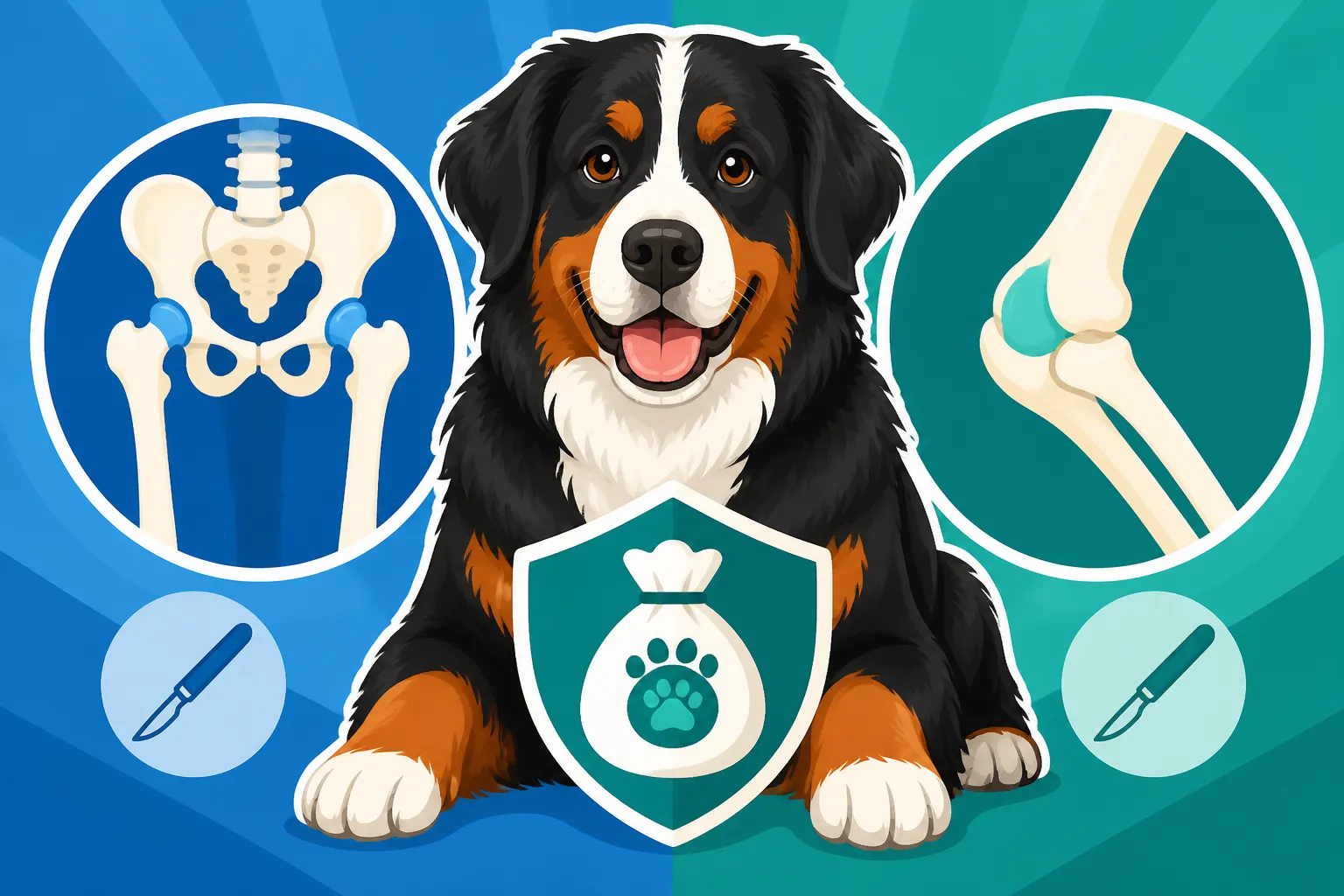
Hip dysplasia, unfortunately, can manifest in various degrees of severity, and the surgical approaches reflect this spectrum. Choosing the right procedure depends on many factors, including your dog's age, size, the severity of the dysplasia, and your financial situation. Each option comes with its own set of expectations for recovery and, of course, costs.
Femoral Head Ostectomy (FHO)
A Femoral Head Ostectomy, or FHO, is a salvage procedure that can provide significant pain relief for dogs suffering from hip dysplasia, particularly those who are not candidates for more complex surgeries or whose owners are looking for a more budget-conscious option. In an FHO, the surgeon removes the head and neck of the femur (the ball part of the joint). The goal isn't to recreate a perfect joint, but to eliminate the painful bone-on-bone grinding. Over time, the body forms a "false joint" of scar tissue, and the muscles around the hip help support the limb.
FHO is often recommended for smaller dogs, but it can also be effective for larger breeds like Berners, especially if only one hip is severely affected, or if other conditions preclude a total hip replacement. The recovery involves a period of controlled exercise and physical therapy to build muscle strength. While the upfront cost of an FHO is generally less than a total hip replacement, it’s important to factor in the commitment to rehabilitation afterward. The aim is to create a pain-free limb, even if the gait isn't perfectly normal.
Total Hip Replacement (THR)
Total Hip Replacement (THR) is considered the gold standard for treating severe hip dysplasia, offering the most comprehensive and often successful outcome in restoring normal hip function and eliminating pain. In this complex procedure, both the ball (femoral head) and the socket (acetabulum) of the hip joint are replaced with prosthetic implants made of metal and plastic. It's a highly specialized surgery, requiring immense skill and experience from a board-certified veterinary orthopedic surgeon.
THR is typically recommended for dogs who are otherwise healthy, have good muscle mass, and whose owners are committed to the rigorous post-operative care and rehabilitation. For a large dog like a Bernese Mountain Dog, a successful THR can truly transform their quality of life, allowing them to run, play, and move without pain. However, this is also the most expensive surgical option for hip dysplasia, reflecting the complexity of the procedure, the cost of the implants, and the extensive post-operative monitoring required. It’s a significant investment, but for many Berner families, the prospect of seeing their dog free from chronic pain makes it worthwhile. For those considering this major step, exploring The Case for Replacing a Bernese Mountain Dog's Hip can offer more insights.
Triple Pelvic Osteotomy (TPO)
Triple Pelvic Osteotomy (TPO) is a surgical option specifically designed for younger dogs with hip dysplasia who have not yet developed significant degenerative changes or arthritis. The ideal candidate is typically under a year old, has good femoral head coverage, and demonstrates hip laxity but without severe existing joint damage. This procedure aims to correct the poor alignment of the hip joint by cutting and rotating three bones in the pelvis (the ilium, ischium, and pubis) to improve the coverage of the femoral head by the acetabulum. The rotated bone segments are then stabilized with a plate and screws.
The goal of a TPO is to prevent the progression of hip dysplasia and the onset of debilitating arthritis, thereby preserving the natural hip joint. It’s a preventative measure, not a fix for an already arthritic hip. This surgery is technically demanding and requires a skilled orthopedic surgeon. While it can be very effective in the right candidates, it also comes with a notable cost, often comparable to or exceeding an FHO, but generally less than a full THR. The recovery involves strict rest and activity restriction for several weeks to allow the bones to heal properly.
Breaking Down Elbow Surgery Costs for Your Berner
Elbow dysplasia, much like hip dysplasia, encompasses several specific conditions that can affect a Bernese Mountain Dog. The surgical approaches are varied, depending on the exact nature and severity of the problem. Your veterinary orthopedic specialist will determine the most appropriate course of action after a thorough diagnostic workup.
Arthroscopic Procedures
Arthroscopy is a minimally invasive surgical technique that has revolutionized joint surgery in veterinary medicine. For elbow dysplasia, it's often the preferred method for diagnosing and treating conditions like fragmented coronoid process (FCP) and osteochondritis dissecans (OCD). The surgeon makes small incisions and inserts a tiny camera (arthroscope) and specialized instruments into the joint. This allows for a clear, magnified view of the joint surfaces and the precise removal of bone fragments or cartilage flaps that are causing pain and inflammation.
The benefits of arthroscopy are numerous: smaller incisions mean less pain, quicker recovery times, and reduced risk of infection compared to traditional open surgery. For a Bernese Mountain Dog, this can mean a faster return to comfortable mobility. While arthroscopic procedures are generally less invasive, they still require specialized equipment and expertise, which means the costs can be significant, often falling into a moderate to high range depending on the complexity of the case and the facility. It's an investment in a quicker, less painful path to recovery for your Berner.
Ulnar Ostectomy or Other Corrective Surgeries
In some cases of elbow dysplasia, particularly those involving an ununited anconeal process (UAP) or severe elbow incongruity where the bones don't fit together correctly, a more involved surgical approach may be necessary beyond simple arthroscopy. An ulnar ostectomy, for example, involves cutting a specific bone in the forearm (the ulna) to relieve pressure on the joint or to allow for proper alignment and healing. Other corrective surgeries might involve reattaching a UAP with a screw or plate, or more complex procedures to address severe incongruity.
These types of surgeries are typically more invasive than arthroscopy and often require a longer recovery period with more strict activity restrictions. The goal is to correct the underlying anatomical issue to improve joint function and minimize the progression of arthritis. The costs associated with these more complex corrective surgeries can be on the higher end, reflecting the extensive surgical time, specialized techniques, and necessary post-operative care. Understanding the different elbow grades can help in anticipating potential issues; you can learn more by checking out Elbow Grades on a Bernese Mountain Dog.
Post-Operative Care and Rehabilitation Expenses
Surgery is only one part of the journey to recovery for a Bernese Mountain Dog with joint issues. The post-operative period, including pain management, wound care, and rehabilitation, is absolutely crucial for a successful outcome and will add substantially to the overall cost. It's a commitment that extends well beyond the operating room.
Medications, Dressings, and Follow-up Appointments
Immediately following surgery, your Berner will need a range of medications to manage pain and inflammation, as well as antibiotics to prevent infection. These might include strong prescription pain relievers, non-steroidal anti-inflammatory drugs (NSAIDs), and potentially muscle relaxants. Administering these medications faithfully at home is vital for your dog's comfort and healing. You'll also likely be sent home with instructions for wound care, which could involve keeping incisions clean and dry, changing dressings, or ensuring your Berner doesn't lick or chew at the sutures (often requiring an E-collar, which you might purchase from a retailer like Chewy).
Numerous follow-up appointments with your veterinarian or the orthopedic specialist will be necessary to monitor healing, remove sutures, and assess progress. These check-ups are essential to ensure there are no complications, such as infection or implant issues, and to guide you through increasing your Berner’s activity level. Each of these appointments will incur a consultation fee. For a detailed look into managing post-operative pain, consider reading Pain Medication Costs for an Arthritic Bernese Mountain Dog.
Physical Therapy and Hydrotherapy
Rehabilitation is paramount after joint surgery for a large breed like a Bernese Mountain Dog. Without it, muscle atrophy can set in quickly, and the joint may not regain its full function. Physical therapy typically begins soon after surgery, often with passive range of motion exercises, gentle massages, and controlled leash walks. As your Berner heals, the exercises will become more challenging, designed to rebuild strength, improve balance, and restore proprioception.
Hydrotherapy, often involving an underwater treadmill, is particularly beneficial for Berners. The buoyancy of the water reduces weight-bearing stress on the healing joints, allowing them to exercise muscles without excessive impact. This can significantly speed up recovery and improve overall mobility. Both physical therapy and hydrotherapy sessions are typically performed by certified veterinary rehabilitation specialists and occur multiple times a week for several weeks or even months. Each session has a cost, and these can add up, but they are an invaluable investment in your Berner's long-term mobility and comfort. You can learn more about this specific type of therapy in Hydrotherapy for an Arthritic Bernese Mountain Dog.
Long-term Management and Support
Even after the initial recovery period, joint issues in Bernese Mountain Dogs often require ongoing management to maintain their comfort and mobility. This can include daily joint supplements, which typically contain ingredients like glucosamine, chondroitin, and MSM. Many owners find quality supplements for their Berners through online retailers like Chewy or through specialized pet food brands like Ollie, which often focus on joint health in their formulations. These supplements won't cure the problem, but they can support joint health and potentially slow the progression of arthritis.
You might also consider ergonomic products designed for large dogs with joint issues, such as orthopedic beds that provide ample support and alleviate pressure points. Maintaining a lean body weight is absolutely critical, as every extra pound places additional stress on compromised joints. Regular, controlled exercise is also important—avoiding high-impact activities but ensuring they stay active to maintain muscle tone. This long-term commitment to their well-being ensures your Berner lives as comfortably and happily as possible for years to come.
Navigating the Financial Burden: Insurance and Alternatives
The costs associated with hip and elbow surgeries for a Bernese Mountain Dog can be daunting, often reaching into the many thousands of dollars. It's a reality that can cause a lot of stress for even the most dedicated pet parents. However, there are ways to prepare for and manage these expenses.
The Role of Pet Insurance in Covering Orthopedic Surgeries
Pet insurance can be an absolute lifesaver when it comes to unexpected and costly orthopedic surgeries. For a breed like the Bernese Mountain Dog, known for its joint predispositions, having a comprehensive pet insurance policy can mean the difference between being able to afford the best possible treatment and having to make heartbreaking decisions based on finances. The key, however, is to enroll your Berner before any symptoms of hip or elbow dysplasia appear, as these conditions are almost always considered pre-existing if diagnosed prior to coverage or during waiting periods.
Most comprehensive accident and illness plans will cover a significant portion of diagnostic tests, surgery, hospitalization, and post-operative rehabilitation for orthopedic conditions, once your deductible is met. Companies like Healthy Paws are well-regarded for their comprehensive coverage, often offering high reimbursement rates and no per-incident limits, which is crucial for expensive procedures. It’s essential to thoroughly research different plans, understand their waiting periods for orthopedic conditions (which can be longer than for accidents), and know your annual limits and reimbursement percentages. While premiums for a Bernese Mountain Dog might be higher due to their breed-specific risks, the peace of mind it offers is invaluable. You can learn more about how insurance can help with major health issues in Insuring a Bernese Mountain Dog Against Cancer.
Payment Plans, Savings, and Financial Aid
Even with pet insurance, there will always be out-of-pocket expenses, including deductibles and co-payments. For those without insurance, or for costs not fully covered, exploring various financial options is critical. Many veterinary hospitals, especially specialty and emergency clinics, offer in-house payment plans or work with third-party financing companies that provide deferred interest or low-interest payment options. It's always worth asking about these arrangements.
Building an emergency fund specifically for your pet’s health needs is a proactive step that can alleviate much of the financial stress. Setting aside a regular amount, even if small, can grow into a substantial safety net for unexpected vet bills. For a breed as prone to costly health issues as the Bernese Mountain Dog, having a dedicated fund is almost a necessity. If you find yourself in a dire situation, there are also various charitable organizations and breed-specific rescues that sometimes offer financial aid for veterinary care. It requires research and applications, but these resources can be a lifeline. Understanding how much to save can be addressed in How Much a Bernese Mountain Dog Emergency Fund Should Hold.
Proactive Care to Potentially Delay or Mitigate Issues
While genetics play a significant role in hip and elbow dysplasia, responsible care throughout your Bernese Mountain Dog's life can help support joint health and potentially delay or mitigate the severity of these conditions. This starts with choosing a reputable breeder who performs all recommended health clearances on their breeding stock, including OFA certifications for hips and elbows.
Proper nutrition, especially during their rapid growth phase as puppies, is vital. Large breed puppy foods are formulated to support slower, controlled growth, which can reduce stress on developing joints. Maintaining a healthy weight throughout their life is equally important, as excess weight significantly exacerbates joint problems. Regular, moderate exercise that builds muscle without excessive impact can help support joint stability. Avoiding strenuous, high-impact activities, especially when young, is also recommended. Incorporating joint supplements early in their life can also be a proactive measure. Many owners start their Berners on these supplements from a young age, often sourcing them through trusted pet suppliers like Chewy or specialty brands like Ollie, which focus on quality ingredients. While these steps aren't a guarantee against genetic predispositions, they give your Berner the best possible chance at healthy, comfortable joints. You can learn more about this approach by checking out Starting a Bernese Mountain Dog on Joint Medication Young.
Comparing Hip and Elbow Surgery Options
To help you visualize the different surgical approaches and their general cost implications, here's a comparative table. Please remember these are general outlines, and actual costs will vary widely based on your location, the specific veterinary facility, the surgeon's fees, the complexity of your dog's case, and post-operative care needs.
| Procedure Type | Primary Condition(s) Addressed | General Approach | Complexity Level | Typical Recovery Time | Key Cost Factors |
|---|---|---|---|---|---|
| Hip Surgeries | |||||
| Femoral Head Ostectomy (FHO) | Hip Dysplasia (severe) | Removal of femoral head & neck | Moderate | 8-12 weeks intensive rehab | Surgery, anesthesia, rehab, pain meds |
| Total Hip Replacement (THR) | Hip Dysplasia (severe) | Replacement of ball & socket | High | 3-6 months rigorous rehab | Specialized implants, surgeon expertise, anesthesia, rehab |
| Triple Pelvic Osteotomy (TPO) | Hip Dysplasia (young dogs) | Pelvic bone rotation to improve fit | High | 6-8 weeks strict rest | Precision surgery, internal fixation, anesthesia, rehab |
| Elbow Surgeries | |||||
| Arthroscopy (FCP, OCD removal) | Elbow Dysplasia (FCP, OCD) | Minimally invasive fragment removal | Moderate | 4-8 weeks controlled activity | Specialized equipment, surgeon, anesthesia, rehab |
| Ulnar Ostectomy | Elbow Dysplasia (UAP, incongruity) | Bone cut to relieve joint pressure | Moderate-High | 8-12 weeks restricted activity | Surgery, anesthesia, internal fixation (sometimes), rehab |
| Other Orthopedic Surgeries | |||||
| Cranial Cruciate Ligament (CCL) Repair | Torn CCL in knee | Various techniques (TPLO, TTA, extra-capsular) | High | 4-6 months phased rehab | Specific surgical technique, implants, anesthesia, rehab |
Choosing the right path for your Bernese Mountain Dog's joint health is a significant decision, both emotionally and financially. It’s crucial to have open and honest conversations with your veterinary team, ask plenty of questions, and weigh all your options. While the costs can be substantial, the relief from pain and restoration of mobility that these surgeries can provide for your beloved companion is often priceless.
Disclaimer
This article is for general informational purposes only and does not constitute professional advice. Laws, prices and regulations vary by location and change over time. Consult a qualified professional for guidance on your specific situation.