Whether a Bernese Mountain Dog Ever Stops Shedding
If you're a Bernese Mountain Dog owner, or considering becoming one, you've probably asked yourself the age-old question that many of us whisper into the furry abyss: "Does this dog ever stop shedding?" It's a valid concern, often born from finding Berner hair in places you never thought possible – your coffee, your laundry, somehow even inside sealed containers. This guide is here to shed some light (pun absolutely intended!) on the reality of Bernese Mountain Dog shedding, what to expect, and how to lovingly coexist with the majestic amounts of fluff your gentle giant provides.
The Truth About Bernese Mountain Dog Shedding
Let's get straight to it: no, a Bernese Mountain Dog does not "stop" shedding. It's a continuous, year-round process, punctuated by periods of even more intense hair loss. This isn't a flaw in the breed; it's a fundamental characteristic of their incredible double coat, which was designed for the harsh, cold climates of the Swiss Alps, not for pristine, hair-free homes. Understanding this core truth is the first step in truly embracing life with a Berner.
Understanding the Double Coat
The Bernese Mountain Dog's magnificent coat is a marvel of nature, perfectly adapted to its original purpose. It consists of two distinct layers, each with a critical role:
- The Outer Coat: This is the longer, coarser, often slightly wavy or straight hair you see. It's water-resistant and acts as a shield, protecting your Berner from snow, rain, and debris. Think of it as their durable, weatherproof jacket. This layer provides the beautiful sheen and vibrant tricolor markings we adore. While it does shed, it's often the undercoat that creates the most volume of loose hair.
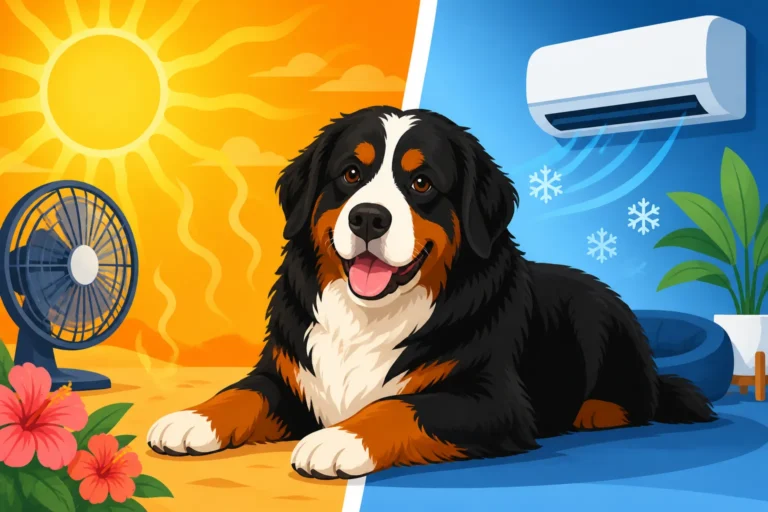
- The Undercoat: Hidden beneath the outer coat, this layer is dense, soft, and woolly. Its primary job is insulation, keeping your Bernese warm in freezing temperatures and, perhaps surprisingly, helping to regulate their body temperature in warmer weather. This undercoat is the real culprit behind the "snowstorm" of hair that can take over your home. It grows thick and abundant, and when it's ready to go, it goes.
Because both layers are constantly regenerating and cycling through growth phases, there's always some hair being released. This is why you'll find stray hairs even on a "good" day. It’s just how their specialized coats work.
The Year-Round Reality
While there are definite peaks in shedding intensity, the Bernese Mountain Dog is truly a year-round shedder. You'll likely encounter a steady stream of loose hair on your clothes, furniture, and floors every single day. It's part of the package deal, much like their affectionate leans or their deep, soulful gazes.
Imagine sweeping your floors in the morning, only to find a new collection of fluff bunnies by lunchtime. This isn't laziness on your part; it's simply the daily reality of owning a Berner. The amount of hair can vary from dog to dog, and even within the same dog depending on factors like diet, health, and hormonal cycles. Some Berners might have a slightly less dense undercoat, leading to slightly less hair, but no Berner is truly a "low-shedding" dog. This constant shedding is what contributes to The Bernese Mountain Dog Shed and What It Fills – it really does fill everything!
Seasonal Shedding: The "Coat Blow" Phenomenon
If year-round shedding is a gentle snowfall, then seasonal shedding, often referred to as a "coat blow," is an absolute blizzard. These are the times when your Bernese decides to completely overhaul their insulation system, resulting in an astonishing volume of loose hair that seems to defy the laws of physics.
Springtime Avalanche
The most significant and often most dramatic coat blow happens in the spring. As the days lengthen and temperatures begin to rise after winter, your Berner's body signals that it's time to shed the heavy, dense undercoat that kept them warm through the colder months. This is a crucial adaptation for preventing overheating in warmer weather.
During this period, you might feel like you're constantly grooming, and still, the hair keeps coming. It can be overwhelming, with clumps of undercoat detaching and floating through your home like tumbleweeds. Picture a snow globe, but instead of snow, it's your dog's luxurious fur. This is the prime time for Spring, When a Bernese Mountain Dog's Undercoat Lets Go. Investing in a good deshedding tool during this time is not a luxury, it's a necessity. We'll talk more about tools shortly!
Autumnal Release
While typically not as intense as the spring coat blow, Bernese Mountain Dogs also experience a significant shedding period in the fall. As summer transitions to autumn, they begin to shed their lighter summer undercoat to make way for the thicker, warmer winter coat. This prepares them for the upcoming cold, ensuring they're properly insulated when the snow flies.
You might notice that the hair coming off in the fall feels different – perhaps a bit finer or shorter than the dense wool released in the spring. Again, the volume can still be substantial, and regular grooming remains essential to help expedite the process and prevent mats. It’s a slightly different kind of hair release, but just as committed to making its presence known.
Factors Influencing Shedding Intensity
Beyond the natural seasonal cycles, several factors can influence how much and how often your Bernese Mountain Dog sheds:
- Climate and Environment: Dogs living in consistently warmer climates or primarily indoors might shed more consistently year-round rather than experiencing distinct seasonal blows. Their bodies don't get the strong seasonal cues to drastically change their coat. However, a Berner living in a truly four-season climate will definitely adapt their coat for each one.
- Diet and Nutrition: A high-quality diet rich in essential fatty acids (like Omega-3 and Omega-6) can contribute to a healthier coat, which in turn might mean less excessive shedding due to healthier follicles. Conversely, a poor diet can lead to a dull, brittle coat and increased shedding. Brands like Ollie, known for fresh, nutritious options, often emphasize coat health benefits in their formulations. While it won't stop shedding, it can improve coat quality.
- Health and Hormones: Underlying health issues, allergies, parasites, or hormonal imbalances (such as thyroid problems) can cause excessive shedding or changes in coat texture. If you notice sudden, dramatic, or patchy hair loss outside of normal seasonal cycles, it's always wise to consult your veterinarian. Unspayed females might also experience changes in shedding patterns around their heat cycles or after a pregnancy.
- Stress: Just like humans can lose hair due to stress, dogs can too. A highly stressed Bernese might shed more than usual. Ensuring a calm, consistent environment can sometimes help.
Managing the Fluff: Tools and Techniques for Bernese Mountain Dog Coats
Living with a Bernese Mountain Dog means coming to terms with dog hair. However, "coming to terms" doesn't mean giving up! There are incredibly effective strategies and tools to manage shedding, making life more comfortable for both you and your furry companion.
The Right Tools for the Job
Having the correct grooming tools is half the battle when it comes to managing a Berner's coat. Forget those flimsy brushes – you need serious equipment!
- Undercoat Rakes: These are non-negotiable. An undercoat rake has long, sturdy teeth designed to reach deep into the dense undercoat and pull out loose, dead hair without damaging the topcoat. Regular use, especially during coat blows, will drastically reduce the amount of hair floating around your home. For example, you can find a wide variety of effective undercoat rakes on Amazon or Chewy.
- Slicker Brushes: Great for general grooming, especially on the feathering on their legs and tail, and for smoothing the outer coat. They help remove surface tangles and some loose hair, but they won't tackle the undercoat effectively on their own.
- Pin Brushes: Ideal for the longer outer coat, especially if your Berner has a slightly wavier texture. They help detangle without pulling too hard.
- Force Dryers (High-Velocity Dryers): This might seem like an advanced tool, but it's a game-changer. After a bath, a force dryer blasts air through the coat, physically pushing out loose undercoat. It's incredibly efficient at removing shed hair and drying the coat quickly, which helps prevent skin issues. If you're wondering Whether a Force Dryer Is Worth It for a Bernese Mountain Dog, the answer is almost always a resounding yes for serious shedding management.
- Deshedding Shampoos and Conditioners: There are specialized grooming products designed to help loosen dead hair, making it easier to remove during bathing and subsequent drying/brushing. These can be particularly helpful during the seasonal coat blows.
Grooming Routines That Make a Difference
Consistency is key when it comes to grooming a Bernese Mountain Dog. A regular routine will not only manage shedding but also keep their coat healthy, prevent matting, and allow you to bond with your dog.
- Daily Brushing (During Shedding Season): During heavy shedding periods, a quick daily session with an undercoat rake can make an enormous difference. Even 10-15 minutes can remove a surprising amount of hair. For general maintenance, 2-3 times a week is often sufficient. Consider how many handfuls come off your Bernese Mountain Dog during these sessions; it's always impressive! If you're concerned about tangles and mats, particularly behind their ears or on their "trousers," this daily attention helps a lot. How Often a Bernese Mountain Dog Should Be Brushed really depends on the season.
- Regular Baths: Bathing helps loosen dead hair, and when combined with a force dryer, it's one of the most effective ways to remove large quantities of undercoat. Aim for a bath every 4-6 weeks, or more frequently during heavy shedding. Always ensure thorough drying to prevent skin irritation.
- Professional Grooming: Many owners opt for professional grooming, especially for the intensive "deshedding" treatments that groomers can provide. They have powerful force dryers, specialized tubs, and the expertise to tackle even the most stubborn undercoat. This can be a huge relief, especially if you're not equipped for bathing a large dog at home or if your Berner isn't keen on baths. A professional groomer also knows how to expertly brush out Brushing Out a Bernese Mountain Dog's Undercoat.
- Never Shave Your Berner: It's a common misconception that shaving a Bernese Mountain Dog will stop the shedding or keep them cooler. In reality, shaving can permanently damage their double coat, disrupting its natural insulation properties. It can lead to improper regrowth, making the dog more susceptible to heatstroke and sunburn, and often results in an even worse coat texture. Shaving also doesn't stop shedding entirely; the hair follicles still produce hair, just shorter ones. Understanding What Shaving Does to a Bernese Mountain Dog's Insulation is crucial for their health.
Keeping Your Home (Relatively) Hair-Free
Even with diligent grooming, some hair will inevitably make its way into your home. Here are some tips for living a slightly less hairy life:
- Powerful Vacuum Cleaners: A good quality vacuum designed for pet hair is an absolute must-have. Look for models with strong suction and brush rolls that resist tangling. Trust me, cheap vacuums don't stand a chance against Berner fluff. You need a vacuum that can truly cope with Vacuums That Cope With a Bernese Mountain Dog.
- Lint Rollers and Sticky Tapes: Keep these handy by the door, in your car, and in your purse. They're excellent for quick touch-ups on clothing before you head out.
- Washable Covers and Throws: Protect your furniture by using washable covers on sofas and chairs where your Berner loves to lounge. This makes cleaning much easier than trying to vacuum upholstery constantly.
- Hard Flooring: If you're building or renovating, consider hard flooring options like hardwood, tile, or laminate over wall-to-wall carpeting. While hair will still be present, it's much easier to sweep or vacuum off hard surfaces. Whether a Bernese Mountain Dog Suits a White Carpet is usually answered with a definitive 'no' by experienced owners!
- Air Purifiers: Some air purifiers can help capture airborne pet dander and hair, potentially reducing allergens and the amount of hair settling on surfaces.
| Shedding Period | Intensity | Recommended Action | Key Tools |
|---|---|---|---|
| Year-Round (Daily) | Moderate, consistent | Weekly full brush-out, daily quick brush-over | Undercoat rake, slicker brush, pin brush |
| Spring (Coat Blow) | Very High, intense | Daily full brush-out, regular baths with force dryer | Undercoat rake, force dryer, deshed shampoo |
| Autumn (Coat Blow) | High, noticeable | Every 2-3 days full brush-out, occasional bath | Undercoat rake, slicker brush |
| Health Issues/Stress | Varies, potentially patchy | Consult vet, increased gentle grooming | Soft brush, vet-approved products |
Common Misconceptions and What to Expect
It's easy to fall into traps of wishful thinking or be surprised by the reality of Bernese Mountain Dog shedding if you're not prepared. Understanding what's truly normal and what might be a red flag can help you manage expectations and care for your dog properly.
The Myth of a "Non-Shedding" Berner
Sometimes, people are drawn to Bernese Mountain Dog mixes, like the Bernedoodle, with the hope of getting a "non-shedding" version of the breed. While some crosses with Poodles (known for their low-shedding coats) might shed less than a purebred Berner, there's no guarantee. The shedding trait is a complex genetic lottery in mixed breeds, and you could end up with a dog that sheds just as much, if not more, than a purebred Bernese. It's a gamble. Furthermore, Whether a Bernese Mountain Dog Mix Escapes the Cancer is a question with a complex answer; a mix does not necessarily mean an escape from all the breed's predispositions. Always assume a Berner will shed heavily, and any reduction is a bonus.
Health and Shedding
While shedding is normal, drastic changes can be a sign of an underlying health issue. Keep an eye out for:
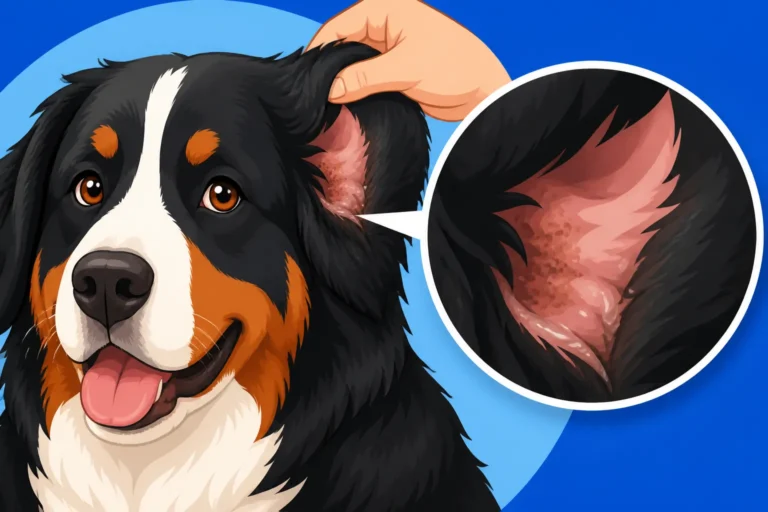
- Excessive or patchy hair loss: If your Berner is suddenly losing large clumps of hair or developing bald spots, this is abnormal and warrants a vet visit. It could indicate skin infections, parasites, allergies, or hormonal problems.
- Dull, brittle coat: A healthy Bernese coat should have a natural luster. If it becomes dull, dry, or brittle, it could point to nutritional deficiencies or health problems.
- Itching or irritation: If your Berner is constantly scratching, licking, or biting at their coat, especially if accompanied by hair loss, they might have skin allergies, fleas, or other dermatological issues. Pay close attention to Itching Under a Bernese Mountain Dog's Thick Coat as it can quickly become infected.
- Changes in shedding pattern: A sudden shift from their usual shedding routine might be worth noting.
Always consult your veterinarian if you have any concerns about your Bernese Mountain Dog's coat or skin health.
Embracing the Berner Lifestyle
Ultimately, living with a Bernese Mountain Dog means accepting the hair as part of their charm. These dogs are incredible companions, known for their loyal, gentle, and affectionate nature. Their magnificent coats are a huge part of their beauty and heritage.
Many Berner owners find a sense of humor about the constant battle against fluff. It becomes a badge of honor, a small price to pay for the endless joy, love, and companionship these majestic dogs bring into our lives. You'll learn to love your lint roller, appreciate a good vacuum cleaner, and maybe even enjoy the therapeutic rhythm of brushing your dog. Grooming a Bernese Mountain Dog's Long Tricolor Coat is more than just maintenance; it's an act of care and connection. So, no, they don't stop shedding, but with the right mindset and tools, you can absolutely keep it under control and enjoy every furry moment with your beloved Bernese.
Disclaimer
This article is for general informational purposes only and does not constitute professional advice. Laws, prices and regulations vary by location and change over time. Consult a qualified professional for guidance on your specific situation.