How Much an Adult Bernese Mountain Dog Eats
One of the most common worries for Bernese Mountain Dog owners, myself included, revolves around feeding. You stare at the back of a giant bag of dog food, see a huge range in recommended portions, and wonder if you're giving your magnificent Berner enough—or, just as crucially, too much. These gentle giants have unique needs, and getting their nutrition right is foundational to their health and happiness. This guide aims to clear up the confusion, helping you understand precisely how much an adult Bernese Mountain Dog typically needs to eat to thrive.
Understanding the Bernese Mountain Dog's Unique Nutritional Needs
Bringing a Bernese Mountain Dog into your life means embracing their impressive size, their rich double coat, and their deep-chested build. These characteristics aren't just for show; they dictate a very specific set of nutritional requirements that differ significantly from those of smaller or even medium-sized breeds. It’s not just about quantity, but about the right balance of ingredients to support their large frame and overall well-being.
Why Large Breeds Have Specific Dietary Requirements
Bernese Mountain Dogs, like all large and giant breeds, mature more slowly than their smaller counterparts. This extended growth period means their bones, joints, and organs are under construction for a longer time, necessitating a diet that supports this gradual development without causing excessive growth spurts. Rapid growth in large breed puppies, often fueled by diets too high in calories or calcium, can put undue stress on developing joints, predisposing them to orthopedic issues later in life, such as hip or elbow dysplasia.
As adults, their sheer body mass demands a robust dietary foundation. Imagine the daily wear and tear on joints that support over a hundred pounds of playful, fluffy dog. Their diet must provide ample support for cartilage and bone health. Furthermore, their larger internal organs, while proportionally sized, also require consistent, high-quality fuel to function optimally. They have a relatively lower metabolic rate per pound of body weight compared to smaller dogs, meaning they don't necessarily need more calories per pound, but a carefully controlled amount to prevent obesity, which is particularly detrimental to their joints.
Key Nutrients for an Adult Berner
When we talk about an adult Bernese Mountain Dog's diet, we're focusing on a few key players that are critical for their health and longevity. It's about finding that sweet spot where they get enough energy without gaining unnecessary weight, and ample support for their unique physical structure.
Firstly, protein is paramount. It’s the building block for muscles, skin, hair, and organs. For an active, adult Berner, a diet with a substantial percentage of high-quality animal protein (chicken, beef, lamb, fish, etc.) is essential. This helps maintain their powerful musculature and supports cell regeneration. Look for named meat sources as the first few ingredients, not just "meat meal" without specification.
Next, fats provide concentrated energy and are crucial for healthy skin and that glorious Berner coat. Omega-3 and omega-6 fatty acids, often found in fish oils or flaxseed, contribute to coat luster and can even have anti-inflammatory benefits, which is a big plus for joint health. However, too much fat can lead to weight gain, so it's a balance.
Carbohydrates, from sources like sweet potatoes, peas, or brown rice, offer sustained energy and fiber for digestive health. While dogs can thrive on lower-carb diets, quality carbs are not inherently bad and can be a good source of energy for these active dogs.
Crucially for Berners, vitamins and minerals play a supporting role in countless bodily functions. Calcium and phosphorus, for instance, are vital for bone health, but their ratio must be correct, especially during growth. As adults, continued balanced intake is important. Beyond that, nutrients like Vitamin E, selenium, and zinc contribute to immune function and skin health. Many Berner owners also consider joint supplements containing glucosamine and chondroitin, which can be found incorporated into some large-breed formulas or given separately. Joint Supplement Costs for a Bernese Mountain Dog can be a consideration for owners.
Deciphering Feeding Guidelines on Food Bags
Walking down the dog food aisle or browsing online, it's easy to get overwhelmed by the sheer number of options and the often-vague feeding charts printed on every bag. You see ranges like "3-5 cups per day" and think, "Okay, but which part of that range applies to my hundred-pound bundle of joy?" It’s a common frustration, and honestly, those guidelines are just that: guidelines. They're a starting point, not a definitive command for your individual Bernese Mountain Dog.
The "Average" Bernese Mountain Dog vs. Your Dog
The feeding charts on dog food bags are designed for an "average" dog within a certain weight range. But let’s be real, there’s no such thing as a truly average Bernese Mountain Dog. Each Berner has their own unique metabolism, activity level, and individual health profile. One Berner might be a couch potato, perfectly content with a couple of leisurely strolls around the block, while another might be an enthusiastic hiker or even involved in draft work, pulling carts and living a much more active lifestyle.
If you blindly follow the middle of the feeding chart, you could be underfeeding an active dog or overfeeding a less active one. This is where your role as an observant owner truly comes into play. You need to use the bag's recommendations as a starting point and then critically evaluate your own dog's needs based on their current body condition, energy levels, and how they react to the food. It's an ongoing adjustment, not a one-time decision. Don't be afraid to deviate from the bag's suggestion if your Berner's body tells you they need more or less.
Factors That Influence Your Berner's Appetite and Needs
Several factors will play a huge role in how much food your Bernese Mountain Dog genuinely needs, making that "average" guideline often quite irrelevant. Paying attention to these nuances will help you fine-tune their diet.
- Age: While we're focusing on adult Berners, it's important to remember that their caloric needs change throughout their life. A young adult Berner, perhaps still filling out between one and three years old, might need slightly more fuel than a mature adult who has settled into their prime. As they enter their senior years, their metabolism can slow, and their activity might decrease, meaning their caloric needs will drop again. Why a Bernese Mountain Dog Is Old at Six often highlights this shift.
- Activity Level: This is perhaps the biggest variable. A Bernese Mountain Dog that spends most of its day napping indoors and enjoying short walks will require significantly fewer calories than one who accompanies you on long hikes, participates in dog sports, or does regular carting practice. More exercise equals more calories burned, thus more food needed.
- Metabolism: Just like people, dogs have individual metabolic rates. Some Berners are naturally lean and burn calories quickly, while others tend to put on weight more easily. This can sometimes be a genetic predisposition.
- Health Conditions: Underlying health issues can dramatically affect appetite and caloric needs. A dog recovering from surgery, dealing with an illness, or managing a chronic condition might have different dietary requirements. Always consult your vet if your Berner's appetite or weight changes drastically.
- Spay/Neuter Status: Spaying or neutering can often lead to a decrease in metabolic rate, meaning fixed dogs might need slightly fewer calories to maintain an ideal weight. Owners often find they need to adjust their dog's food intake downwards post-surgery to prevent unwanted weight gain.
- Environmental Temperature: In colder climates, a Bernese Mountain Dog might burn more calories just to stay warm, especially if they spend a significant amount of time outdoors. Conversely, in hot weather, their activity might decrease, leading to lower caloric needs.
Choosing the Right Food for Your Bernese Mountain Dog
The market is flooded with dog food options, and it can feel like navigating a maze trying to pick the "best" one for your Bernese Mountain Dog. From traditional kibble to fresh-cooked meals, each option comes with its own set of benefits and considerations, especially for a large breed. What matters most is selecting a food that aligns with your Berner’s specific needs, your lifestyle, and your budget, ensuring quality ingredients are at the forefront.
Dry Kibble, Wet Food, or Raw Diets?
Each food type has its champions and critics, and what works for one dog might not be ideal for another.
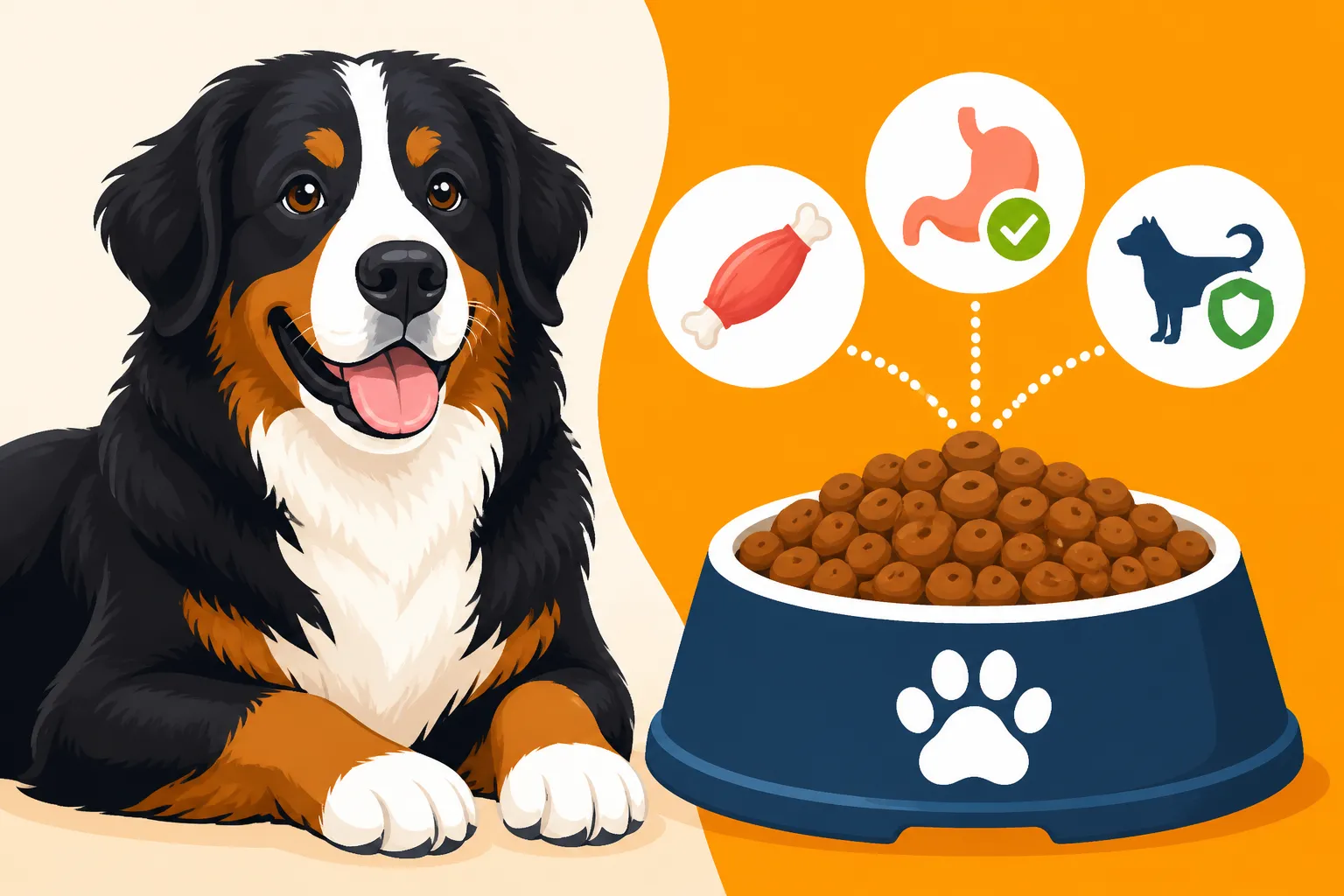
Dry Kibble: This is by far the most popular and convenient option for many Bernese Mountain Dog owners. Kibble is generally cost-effective, easy to store, and offers a complete and balanced nutritional profile when chosen correctly. The abrasive action of crunching kibble can also help keep teeth cleaner, though it's not a substitute for regular dental care. For a large breed, the sheer volume of food they consume daily makes kibble a practical choice. You can find excellent large breed specific kibbles from various manufacturers on platforms like Chewy or Amazon, offering a wide range of formulas tailored to joint health and controlled growth.
Wet Food (Canned or Pouched): Wet food is often more palatable for picky eaters and has a higher moisture content, which can be beneficial for hydration. However, for a Bernese Mountain Dog, feeding an exclusively wet diet can be very expensive and lead to a significant amount of waste, given the quantities they need. Many owners choose to use wet food as a "topper" to enhance the palatability of kibble, providing a boost of flavor and moisture without fully committing to a wet-only diet.
Raw Diets (BARF – Biologically Appropriate Raw Food / PMR – Prey Model Raw): Raw feeding involves providing uncooked meat, bones, and organs, sometimes supplemented with fruits and vegetables. Proponents argue it's a more natural diet, leading to improved coat, dental health, and digestion. However, raw feeding requires meticulous research and preparation to ensure it is nutritionally balanced and safe, minimizing the risk of bacterial contamination for both dog and human. For a Bernese Mountain Dog, sourcing and storing the large quantities of raw ingredients can be challenging and costly. If you're considering a raw diet, working with a veterinary nutritionist is highly recommended to ensure your Berner receives all necessary nutrients without deficiencies or excesses.
Fresh-Cooked Diets: These are typically human-grade ingredients, lightly cooked and often delivered frozen or refrigerated. Services like Ollie create customized meal plans based on your dog's age, weight, and activity level. These diets offer excellent palatability and often boast high-quality, easily digestible ingredients. Like raw diets, they tend to be more expensive than kibble, but they eliminate the concerns about bacterial contamination associated with raw feeding while still offering many of the benefits of fresh, whole foods. This can be a great option for a Berner with sensitivities or if you simply want to provide a higher quality, less processed diet.
Ingredient Quality and "Large Breed" Formulas
Regardless of the type of food you choose, ingredient quality is paramount. A high-quality dog food for a Bernese Mountain Dog should list a named meat source (e.g., "chicken," "beef," "salmon") as the first ingredient, and ideally, the first few ingredients. Avoid foods with excessive fillers, artificial colors, flavors, or preservatives.
"Large Breed" or "Giant Breed" formulas are often a good starting point for Berners, for several reasons:
- Controlled Growth: For puppies, these formulas are designed with slightly lower calcium and phosphorus levels and appropriate calorie density to support slow, steady growth, which is crucial for preventing orthopedic issues.
- Joint Support: Many adult large breed formulas include ingredients like glucosamine and chondroitin, which are thought to support joint health and cartilage maintenance. Given the Bernese Mountain Dog's predisposition to conditions like hip and elbow dysplasia and Arthritis in a Bernese Mountain Dog by Six, this added support can be very beneficial.
- Kibble Size: The kibble pieces in large breed formulas are often larger, encouraging slower eating and better chewing, which can aid digestion and reduce the risk of bloat. Slow Feeders for a Bernese Mountain Dog are also a great tool for this.
- Calorie Density: While they might seem like they need more, large breed formulas often have a moderate calorie density to prevent overfeeding and subsequent weight gain, which is a major concern for their joints.
Always read ingredient labels carefully. A quick search on Amazon or Chewy will reveal countless options, but taking the time to understand what you're feeding your Berner is key. And remember, sometimes the best food for your dog isn't necessarily the most expensive or the trendiest; it's the one they thrive on.
Establishing a Healthy Feeding Schedule
Beyond the what and how much, the when and how you feed your Bernese Mountain Dog are equally important. Establishing a consistent feeding schedule and practicing smart feeding habits can significantly impact their digestion, energy levels, and even help mitigate serious health risks like bloat. It's about creating a routine that supports their well-being.
How Many Meals a Day for an Adult Berner?
For adult Bernese Mountain Dogs, the consensus among veterinarians and experienced owners is to feed at least two meals a day. Splitting their daily food allowance into two or even three smaller meals offers several distinct advantages over a single large meal:
- Bloat Prevention: This is perhaps the most critical reason for multiple meals. Bernese Mountain Dogs are a deep-chested breed, making them unfortunately susceptible to Gastric Dilatation-Volvulus (GDV), commonly known as bloat. Eating one large meal, especially if consumed rapidly, can increase the risk of the stomach filling with gas and potentially twisting. Why a Bernese Mountain Dog Never Gets One Big Meal is a crucial piece of advice for this breed.
- Improved Digestion: Smaller, more frequent meals are generally easier on the digestive system. They allow for more efficient nutrient absorption and reduce the likelihood of indigestion or stomach upset.
- Stable Energy Levels: Just like humans, dogs benefit from consistent energy input. Two meals help keep their blood sugar levels more stable throughout the day, preventing energy dips and keeping them feeling satisfied.
- Weight Management: Dividing meals can help manage satiety, making a dog feel fuller for longer and potentially reducing begging behavior. It also makes it easier for you to monitor their intake precisely.
Ideally, aim for morning and evening meals, spaced roughly 8-12 hours apart. For example, a meal at 7 AM and another at 6 PM. This consistent schedule helps regulate their digestive system and gives you predictable potty breaks.
Managing Treats and Supplements
Treats and supplements are an integral part of many Bernese Mountain Dog's daily lives, but they need to be managed smartly to ensure they don't undermine your careful feeding plan. It's easy for calories from treats to add up quickly, especially with a dog as large and lovable as a Berner.
Treats: Treats are wonderful tools for training, enrichment, and simply showing affection. However, they are not nutritionally complete and should make up no more than 10% of your dog's total daily caloric intake. When figuring out How Much an Adult Bernese Mountain Dog Eats, remember to factor in those tasty morsels!
- Choose Wisely: Opt for high-quality, natural treats. Many commercial treats are high in calories, sugar, and fillers. Look for treats with simple ingredients.
- Portion Control: Break larger treats into smaller pieces. Your Berner will still get the reward, but with fewer calories.
- Calorie Awareness: Be mindful of the calorie content of treats. If you're giving a lot of treats during a training session, consider slightly reducing the portion size of their next meal to maintain balance.
- Healthy Alternatives: Fresh vegetables like carrots, green beans, or cucumber slices can be excellent low-calorie, healthy treats that many Berners enjoy.
Supplements: Beyond their regular food, many Bernese Mountain Dog owners choose to incorporate supplements, particularly for joint health. Joint Supplement Costs for a Bernese Mountain Dog can be a consideration. Common supplements include:
- Glucosamine and Chondroitin: These are widely used to support joint cartilage and alleviate arthritis symptoms.
- Omega-3 Fatty Acids (Fish Oil): Beneficial for skin, coat, and general anti-inflammatory effects, which can also help joints.
- Probiotics: For digestive health, especially if your Berner has a sensitive stomach.
Always discuss any supplements with your veterinarian before adding them to your Berner's routine. They can advise on appropriate dosages and whether the supplement is truly necessary for your dog's individual health profile. Remember, supplements are meant to supplement a balanced diet, not replace essential nutrients found in their food.
Monitoring Your Bernese Mountain Dog's Weight and Health
Once you've settled on a food and a feeding schedule, your job isn't done. A Bernese Mountain Dog's nutritional needs aren't static; they change with age, activity, and overall health. Regularly monitoring their body condition is the single most important step in ensuring you're feeding them the right amount, preventing both obesity and malnourishment.
Recognizing Ideal Body Condition
The goal is to maintain your Bernese Mountain Dog at a healthy weight, which is often easier said than done, especially with their magnificent double coat. Their fur can be quite deceiving, making them look heavier or lighter than they truly are. That's why relying solely on visual cues isn't enough; you need to get hands-on.
An ideal body condition for a Bernese Mountain Dog means they are lean and muscular, not skinny and not overweight. Here's how to assess it:
- Ribs: You should be able to easily feel their ribs when you run your hands along their sides, much like feeling the knuckles on your hand when your palm is flat. You shouldn't see them prominently sticking out, but you should definitely be able to count them without having to press hard. If you can't feel them easily, your Berner is likely carrying too much weight. Finding a Bernese Mountain Dog's Ribs Under the Coat can be tricky, but it's a critical check.
- Waistline: When viewed from above, your Bernese Mountain Dog should have a discernible waist or an "hourglass" figure, narrowing slightly behind the ribs before widening again at the hips. If they look like a straight line or are wider behind the ribs, they're probably overweight.
- Abdominal Tuck: When viewed from the side, their belly should tuck up slightly from their chest to their hind legs, not hang low or be parallel to the ground.
- Spine and Hip Bones: You should be able to feel their spine and hip bones with moderate pressure, but they shouldn't protrude or be visible. Prominent spinal bumps or hip bones indicate they are too thin.
It’s about What a Fit Bernese Mountain Dog Should Weigh and carry themselves. Regularly performing these checks will become second nature and is far more informative than just stepping on a scale.
Adjusting Food Intake Based on Observation
Once you know what an ideal body condition looks and feels like for your Bernese Mountain Dog, you'll be empowered to make informed adjustments to their food intake. This isn't a "set it and forget it" process; it's dynamic.
When to Increase Food:
- Weight Loss: If your Berner starts to feel bonier, or you notice their ribs, spine, or hip bones becoming too prominent, they might need more food.
- Increased Activity: If you've started a new, more strenuous exercise routine (like long hikes, draft work, or agility training), their caloric needs will naturally increase.
- Growing Pains/Filling Out: Younger adult Berners (1-3 years old) might still be putting on muscle and filling out their frame, requiring a bit more fuel.
- Sickness/Recovery: A vet might recommend increased food during recovery from illness or surgery to aid healing, but always consult them first.
When to Decrease Food:
- Weight Gain: If you're struggling to feel their ribs, or you notice their waistline disappearing and belly sagging, it's time to cut back. Obesity is a serious health risk, particularly for a large breed susceptible to joint issues. Taking Ten Pounds Off a Bernese Mountain Dog can make a huge difference to their quality of life.
- Decreased Activity: If your Berner's activity level drops due to age, injury, or a change in your lifestyle, their caloric needs will decrease.
- Spay/Neuter: As mentioned before, fixed dogs often have a slower metabolism and require less food.
Always make adjustments gradually. Increase or decrease food by small increments (e.g., 1/4 to 1/2 cup per day) over several weeks, then reassess your Berner's body condition. Consistency is key, and if you're ever unsure, your veterinarian is your best resource. They can help you determine The Body Condition a Bernese Mountain Dog Should Carry and rule out any underlying health issues contributing to weight fluctuations.
Common Feeding Challenges and Solutions
Even with the best intentions and the most meticulous planning, feeding a Bernese Mountain Dog can sometimes present unique challenges. They're individuals, after all, and their personalities can certainly extend to their eating habits. Whether you have a dog who acts like a bottomless pit or one who turns up their nose at mealtime, there are practical strategies to help ensure they get the nutrition they need.
The Picky Eater or the Bottomless Pit
Let's face it, some Berners are food connoisseurs, while others act like they haven't eaten in a week, even after breakfast. Dealing with either extreme requires patience and strategic thinking.
The Picky Eater: It can be incredibly frustrating when your large, magnificent Bernese Mountain Dog, who you just shelled out good money for premium food, decides it's not up to their refined palate. Don't jump to switching foods immediately, as this can sometimes create an even pickier eater.
- Rule Out Medical Issues: First and foremost, if your Berner suddenly becomes picky or stops eating, a vet visit is crucial. Dental pain, upset stomach, or underlying illness can all cause a loss of appetite.
- Establish a Routine: Feed at set times and remove the food bowl after 15-20 minutes, whether they've eaten or not. This teaches them that food is available at certain times, not on demand. They'll learn to eat when it's offered.
- Enhance Palatability: A spoonful of plain canned pumpkin, a little warm water to create a gravy, or a small amount of low-sodium broth can make kibble more appealing. You might also consider mixing in a bit of high-quality wet food or a fresh-cooked option like Ollie, which can often entice even the most reluctant eaters.
- Avoid Table Scraps: Giving in to pleading eyes with human food can quickly reinforce pickiness for their dog food. Save "people food" for very occasional, healthy, dog-safe treats.
- Limit Treats: If your Berner is filling up on treats throughout the day, they won't be hungry for their main meals.
The Bottomless Pit: Many Berners fall into this category, always acting like they're starving, regardless of how much they've just eaten. While adorable, this can lead to overeating and rapid weight gain.
- Measure Accurately: It sounds obvious, but using a measuring cup to precisely portion out food at each meal is vital. Eyeballing can lead to significant overfeeding. Remember The Daily Ration a Hundred Pound Berner Gets should be measured, not guessed.
- Slow Feeder Bowls: These are fantastic tools for Berners who gobble down their food. They have ridges or obstacles that force the dog to eat more slowly, which not only helps with digestion but can also reduce the risk of bloat. You can find many options on Amazon.
- Food Dispensing Toys: Incorporate puzzle feeders or KONGs for a portion of their meal. This makes eating a mental exercise, slows down consumption, and provides enrichment.
- Scheduled Meals: Sticking to two distinct meals rather than free-feeding prevents continuous grazing and helps manage their total intake.
- Increase Fiber: Sometimes, adding a little plain canned pumpkin or green beans to their meal can help them feel fuller without adding many extra calories.
Preventing Bloat Through Feeding Practices
Bloat (Gastric Dilatation-Volvulus or GDV) is a life-threatening emergency for deep-chested breeds like the Bernese Mountain Dog. While the exact cause isn't fully understood, certain feeding practices are known to reduce the risk. This is not a guarantee against bloat, but these measures can significantly lower the odds.
- Multiple Small Meals: As discussed earlier, feeding two or three smaller meals throughout the day instead of one large meal is a cornerstone of bloat prevention. This avoids overloading the stomach at one time. The Hour After a Bernese Mountain Dog's Meal is a critical window to observe.
- Slow Down Eating: Rapid eating is a known risk factor. Use slow feeder bowls or food puzzle toys to encourage your Berner to eat at a more leisurely pace. Spreading food out on a large baking sheet can also work in a pinch.
- Restrict Exercise Before and After Meals: Avoid strenuous exercise, excessive play, or even major excitement for at least an hour before and two hours after meals. This allows the stomach to digest food without being jostled or contracting excessively. Whether Exercise After Eating Bloats a Bernese Mountain Dog is a common concern, and taking precautions is always best.
- Manage Water Intake Around Meals: While fresh water should always be available, some experts recommend limiting large quantities of water immediately before or after a meal, as excessive fluid intake can contribute to stomach distention. Offer smaller amounts frequently instead.
- Consider Bowl Height: The topic of raised bowls and bloat prevention is surprisingly debated. Historically, raised bowls were recommended, but some newer studies suggest they might actually increase the risk in certain breeds. It's an area where individual experience and veterinary advice may vary. Whether Bowl Height Matters for a Bernese Mountain Dog should be a discussion with your vet. For now, feeding at ground level is a perfectly safe and often recommended practice.
- Gastropexy: For high-risk breeds like Bernese Mountain Dogs, a preventive surgical procedure called a gastropexy can be performed. This involves tacking the stomach to the abdominal wall to prevent it from twisting if bloat occurs. It's often done concurrently with spaying or neutering. Discuss this option thoroughly with your veterinarian.
Implementing these feeding strategies can go a long way in protecting your beloved Bernese Mountain Dog from this terrifying condition. Staying vigilant and recognizing the signs of bloat promptly are also absolutely vital.
Disclaimer
This article is for general informational purposes only and does not constitute professional advice. Laws, prices and regulations vary by location and change over time. Consult a qualified professional for guidance on your specific situation.