The Effortless Stride a Bernese Mountain Dog Should Have
One of the most defining characteristics of a healthy Bernese Mountain Dog is the grace with which they carry their substantial frame. It’s truly something to behold when a hundred-pound dog moves with a flowing, ground-covering ease, yet many owners find themselves worrying when their beloved Berner starts to show signs of stiffness or a less-than-perfect trot. This guide will walk you through what that "effortless stride" truly means, why it’s so important, and how you can help your Bernese maintain it throughout their life, spotting potential issues before they become major concerns.
Understanding the Bernese Mountain Dog Gait
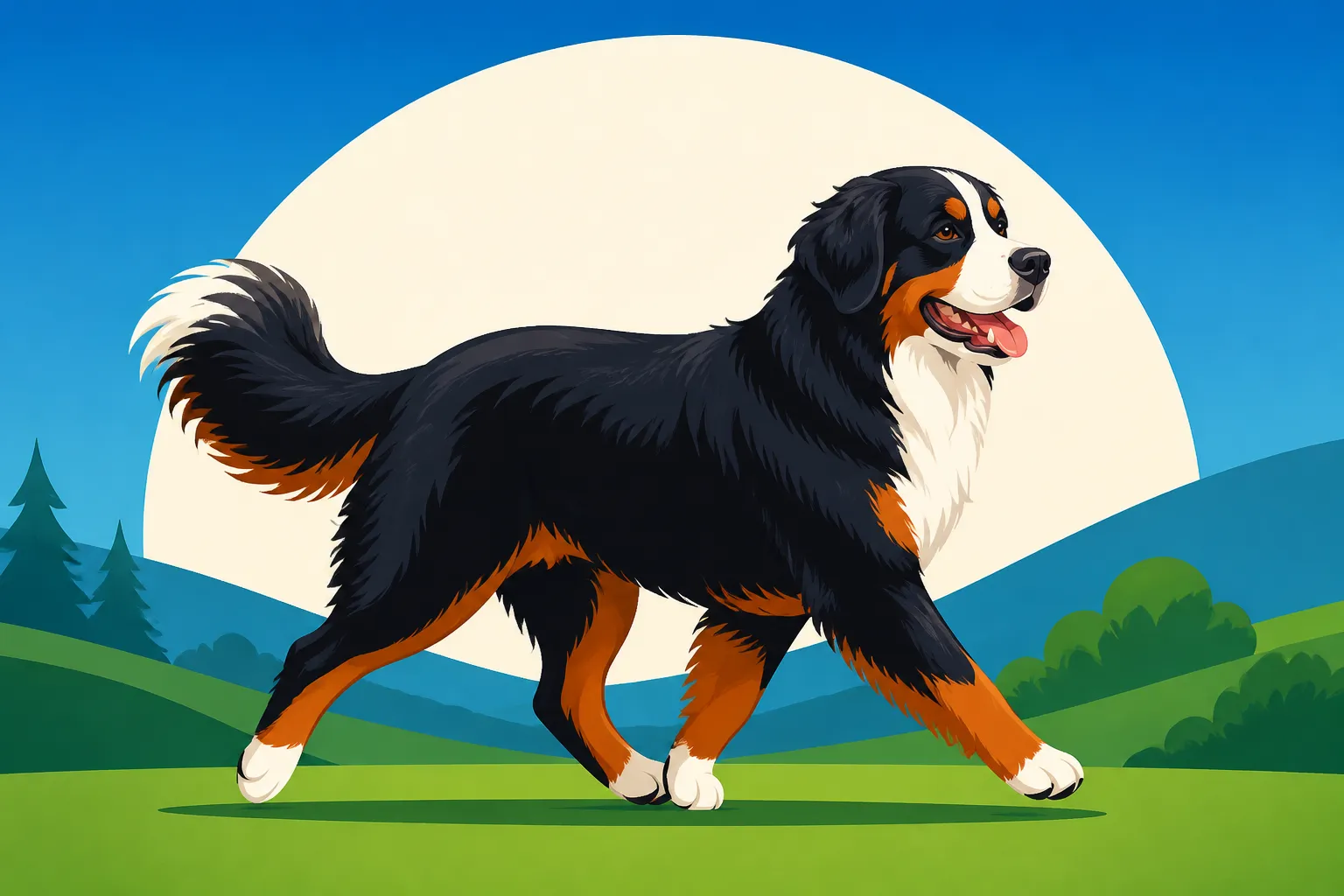
When you watch a healthy Bernese Mountain Dog move, there's a certain elegance that belies their size. It's not a dainty prance, but a powerful, purposeful motion that looks both efficient and beautiful. This "effortless stride" isn't just a pretty picture; it's a hallmark of the breed's historical function and overall well-being.
What "Effortless Stride" Truly Means
The breed standard for the Bernese Mountain Dog emphasizes a gait that is "powerful, elastic, far-reaching and ground-covering, with good reach in front and powerful drive from the rear." The key here is "effortless." It means the dog moves with minimal wasted energy, a smooth flow that suggests strength and endurance rather than strain. Imagine a marathon runner gliding along, rather than a weightlifter straining under a heavy load. Their steps should be regular and balanced, not short, choppy, or high-stepping. When a Bernese is moving correctly, their back should remain relatively level, with no excessive bounce or roll. Their feet should land squarely, and their movement should appear fluid from nose to tail. There's a certain majesty to it, a testament to their purpose as farm dogs who needed to cover varied terrain with heavy loads, day in and day out. This isn't just for show rings; it's about practical, enduring movement.
The Importance of a Sound Gait
A sound, effortless stride in a Bernese Mountain Dog is far more than just an aesthetic trait; it's a direct indicator of their overall health and quality of life. When a dog moves effortlessly, it suggests their joints are healthy, their muscles are strong and balanced, and their skeletal structure is well-aligned. This efficiency of movement reduces wear and tear on their body, potentially extending their active years. For a breed already prone to orthopedic issues like hip and elbow dysplasia, maintaining a sound gait is paramount. Joint Disease in a Hundred Pound Bernese Mountain Dog provides more insight into these challenges.
Historically, the Bernese Mountain Dog's ability to pull carts and drive livestock across rugged Swiss terrain depended entirely on their powerful, enduring movement. A dog with a faulty gait would quickly become lame, unable to perform its duties. Today, while most Berners are cherished companions rather than working farm dogs, that underlying need for sound structure remains. A dog that moves comfortably can enjoy longer walks, play more freely, and experience less pain as they age. When they struggle, it can lead to chronic discomfort, secondary issues as they compensate for pain, and a significant reduction in their joy for life. Observing their natural movement is often the first clue we get that something might be amiss with their physical health.
Anatomy of Movement: The Bernese Mountain Dog's Structure
To truly appreciate the "effortless stride," we need to understand the incredible engineering that goes into a Bernese Mountain Dog's movement. Their substantial size demands a robust and well-balanced anatomical structure, where every bone, joint, and muscle plays a crucial role.
Skeletal Foundation
The Bernese Mountain Dog's skeletal system is the blueprint for their movement. It's built for power, stability, and endurance. Key to their effortless stride are the angles of their shoulders and hindquarters. Ideally, their shoulder blades should be well laid back, and the upper arm should meet the shoulder blade at an angle that allows for good reach forward without excessive lift or pounding. This proper angulation in the front assembly is crucial for absorbing impact and allowing the front legs to extend smoothly.
In the rear, powerful hindquarters are essential for propulsion. This means well-muscled thighs and hocks that are strong and relatively straight when viewed from behind. The stifle (knee) and hock joints should have appropriate angulation, allowing for a strong push-off. When the angles are off, either too steep or too open, it can lead to a choppy gait, a lack of drive, or increased stress on the joints. Imagine trying to walk with your knees locked or your legs constantly bent – it would quickly become tiring and inefficient. The breed standard calls for a sturdy, moderate bone structure, providing the necessary support for their weight without being overly heavy, which could impede agility.
Musculature and Conditioning
Beyond the bones, the musculature of a Bernese Mountain Dog is what truly brings the effortless stride to life. They possess powerful, well-defined muscles that work in harmony to create their characteristic movement. The hindquarters, often described as having "powerful drive," rely on strong thigh and gluteal muscles to push off the ground, propelling the dog forward. These are the engines of their movement. The chest should be deep and broad, providing ample room for lung capacity and supporting strong shoulder muscles that help with reach and stability. The muscles along their back and core are vital for transmitting power from the rear to the front, maintaining balance, and supporting the spine.
Proper conditioning plays an immense role here. A Bernese Mountain Dog who isn't regularly exercised will have underdeveloped muscles, which can lead to a less efficient, more labored gait, even if their underlying structure is sound. Just like human athletes, a Berner needs to build and maintain muscle tone to move optimally. This means consistent, moderate exercise tailored to their age and physical condition, rather than sporadic bursts of intense activity. Think of it as building a strong, flexible engine that can perform its job smoothly for years to come.
Factors Influencing the Bernese Mountain Dog's Stride
While a beautiful stride is often a genetic gift, it's also shaped by a myriad of factors throughout a Bernese Mountain Dog's life. Understanding these influences can empower owners to make informed decisions that promote healthy movement.
Genetics and Breeding
The single most significant influence on a Bernese Mountain Dog's stride is its genetic blueprint. Unfortunately, due to their large size and specific breed characteristics, Berners are predisposed to several orthopedic conditions that directly impact their ability to move effortlessly. Hip and elbow dysplasia are the most common culprits, conditions where the joints don't develop properly, leading to pain, stiffness, and degenerative arthritis. Osteochondritis Dissecans (OCD) is another condition, primarily affecting shoulder and elbow joints, where cartilage development is abnormal.
This is why choosing a reputable breeder is absolutely critical. A responsible breeder will conduct extensive health testing on their breeding stock, including OFA (Orthopedic Foundation for Animals) clearances for hips and elbows, and often DNA tests for conditions like Degenerative Myelopathy. They aim to breed dogs with sound structure and good health histories, reducing the likelihood of passing on genetic predispositions to these debilitating conditions. The Bernese Mountain Dog Health Panel goes into detail about recommended tests. Always ask to see the OFA certificates of both parents. Looking Up a Bernese Mountain Dog on the OFA Website is a good way to verify these records independently. Even with the best genetics, these conditions can sometimes manifest, but good breeding significantly stacks the odds in your favor for a long, healthy life with an effortless stride.
Puppyhood Development and Growth
The early months of a Bernese Mountain Dog puppy's life are a critical window for bone and joint development. Their rapid growth rate, where they go from a tiny fluff ball to a hundred-pound dog in little more than a year, puts immense stress on their developing skeletal system. Incorrect care during this period can have lasting negative impacts on their gait.
Excessive or inappropriate exercise is a major pitfall. Activities like long-distance running, jumping from high places, repetitive stair climbing, or intense, uncontrolled play with much larger dogs can cause microtraumas or abnormal stress on their soft, growing bones and cartilage. A general guideline, often referred to as the "five-minute rule," suggests no more than five minutes of structured exercise per month of age, twice a day, until they reach maturity. The Five Minute Rule and a Bernese Mountain Dog Puppy explains this concept further.
Nutrition also plays a vital role. Feeding a large breed puppy food designed for slow, steady growth is essential. These foods typically have carefully controlled calcium and phosphorus levels to prevent conditions like pano-osteitis or hyperparathyroidism, which can affect bone density and development. Overfeeding a puppy, leading to rapid weight gain, is another common mistake that puts undue stress on immature joints. It’s all about controlled, steady development to support that future effortless stride.
Age and Weight Management
As our Berners mature and, eventually, enter their senior years, their stride can naturally change. However, some changes are more concerning than others. Weight management is paramount throughout a Bernese Mountain Dog's life. Every extra pound places additional strain on their joints, especially their hips, elbows, and spine. This can exacerbate existing conditions like arthritis or even bring on symptoms earlier in life. Every Pound a Bernese Mountain Dog's Hips Carry is a sobering read on this topic. A lean body condition helps preserve joint health and allows for more comfortable movement.
As Bernese Mountain Dogs age, it’s common to see a slight slowing down, perhaps a bit less spring in their step. However, a significant change in gait, such as persistent limping, stiffness after rest, or difficulty rising, should always be investigated by a veterinarian. Arthritis in a Bernese Mountain Dog by Six is a common reality for many. It could be signs of arthritis, which is manageable with medication, supplements, and physical therapy. Unfortunately, Berners are also prone to degenerative myelopathy (DM), a progressive neurological condition that affects the spinal cord, leading to hind leg weakness and an uncoordinated gait. Slowing Degenerative Myelopathy in a Bernese Mountain Dog discusses options for managing this challenging disease. Regular monitoring and proactive intervention can make a huge difference in maintaining your Berner's comfort and mobility as they age.
Maintaining the Ideal Stride: Care and Conditioning
Once you understand what makes a Bernese Mountain Dog move gracefully, the next step is proactive care. Maintaining that effortless stride is a continuous effort, encompassing everything from how they exercise to what they eat.
Appropriate Exercise Routines
For a large breed like the Bernese Mountain Dog, consistency and moderation are far more beneficial than intense, sporadic bursts of activity. While they were bred to work, their large size and joint predispositions mean that high-impact activities should generally be avoided, especially in their younger years. Think quality over quantity.
Leisurely walks, gentle hikes on varied but not overly strenuous terrain, and swimming are excellent forms of exercise for a Berner. Swimming, in particular, offers a fantastic low-impact workout that builds muscle without stressing joints. A 30-60 minute walk once or twice a day, depending on their age and fitness level, is usually a good baseline. In warmer climates or during summer months, Exercising a Bernese Mountain Dog in Summer stresses the importance of avoiding the hottest parts of the day, as overheating can lead to serious health issues and discourage movement.
Always let your Berner set the pace. If they start to lag, show signs of discomfort, or simply plop down, it's time for a break or to head home. The goal is to keep them fit and strong, not to push them beyond their limits. As they age, you might need to adjust routines, opting for shorter, more frequent strolls or focusing on therapeutic exercises if joint issues arise.
Nutritional Support and Joint Health
What you put into your Bernese Mountain Dog's bowl directly impacts their physical health, including the integrity of their joints and the strength of their muscles, which are crucial for that effortless stride. A high-quality large breed dog food is the foundation. Look for formulas specifically designed for large breeds, as these often have appropriate calorie densities and balanced mineral ratios (like calcium and phosphorus) to support skeletal health without promoting overly rapid growth in puppies or excess weight in adults.
Beyond a good base diet, many Berner owners consider joint supplements. Ingredients like glucosamine, chondroitin, and MSM are widely used to support cartilage health and reduce inflammation. Omega-3 fatty acids, often derived from fish oil, also have anti-inflammatory properties that can benefit joint comfort. Joint Supplements in a Bernese Mountain Dog's Bowl offers more detail on these options. While supplements aren't a cure-all, they can be a valuable part of a comprehensive approach to joint care, especially as a preventative measure or for dogs showing early signs of stiffness. Brands like Chewy offer a wide selection of reputable joint supplements, making it easy to find options that fit your dog's specific needs. Always discuss any new supplements with your veterinarian to ensure they are appropriate and won't interact with other medications.
Perhaps most importantly, maintaining a lean body condition cannot be stressed enough. A trim Berner puts far less stress on their joints than an overweight one. Regularly assess your dog's body condition score; you should be able to easily feel their ribs without pressing hard, and they should have a discernible waist when viewed from above. Adjust food portions and treat intake as needed to keep them at their ideal weight.
Regular Veterinary Care and Proactive Screening
Even with the best breeding, diet, and exercise, a Bernese Mountain Dog will inevitably face health challenges. Regular veterinary care is your most powerful tool in maintaining their effortless stride and overall well-being. Annual check-ups are crucial, providing an opportunity for your vet to assess their gait, palpate their joints, and discuss any changes you've observed.
Proactive screening can catch issues before they become severe. For younger dogs, this might involve checking for signs of developmental orthopedic diseases. As they age, your vet might recommend regular blood work to monitor organ function and look for markers of inflammation or other systemic issues that could affect mobility. Screening an Older Bernese Mountain Dog details some of the considerations for senior Berners. Catching problems early, whether it's the onset of arthritis or another condition affecting mobility, allows for earlier intervention, which often leads to better outcomes and a longer period of comfortable movement for your dog.
If you have concerns about your Berner's gait or suspect they are in pain, don't hesitate to schedule a vet visit sooner rather than later. They can conduct a thorough orthopedic examination, which might involve specific movements, X-rays, or other diagnostic tests to pinpoint the cause of discomfort. Early diagnosis means early treatment, helping to manage pain and preserve mobility. The Bernese Mountain Dog Health Panel provides a comprehensive list of recommended health screenings throughout a Berner's life.
Recognizing Deviations from the Ideal Stride
Even the most vigilant Bernese Mountain Dog owner might eventually notice subtle changes in their dog's movement. Knowing what to look for, and when to seek professional help, is key to preserving their quality of life.
Common Signs of Lameness or Discomfort
It can be heartbreaking to see your usually vibrant Bernese Mountain Dog struggling to move, but recognizing the early signs of lameness or discomfort is crucial for prompt intervention. While some signs are obvious, like a clear limp or holding a paw up, others can be far more subtle.
Look for changes in their normal gait:
- A "bunny hop": When running, both hind legs might move together like a rabbit instead of independently. This is a classic sign of hip discomfort or dysplasia. A Bernese Mountain Dog That Bunny Hops explains more.
- Stiffness: Especially after rest, such as getting up from a nap or first stepping outside in the morning. This often indicates arthritis or joint inflammation.
- Reluctance to move: Hesitation to jump into the car, climb stairs, or even get up from a comfortable bed.
- Favoring a limb: Shifting weight off one leg, or a noticeable unevenness in their stride. This can be subtle, perhaps just a shortened stride or less extension from one leg.
- Changes in posture: Standing or sitting awkwardly, trying to relieve pressure from a painful joint.
- Licking or chewing at a specific joint: This can indicate localized pain.
- Vocalizing: Whining or yelping when moving in certain ways, though Berners are often stoic and may hide their discomfort. Whether a Bernese Mountain Dog Hides Discomfort is a common concern among owners.
- Muscle loss: Noticeable atrophy in a limb, particularly in the hindquarters, can suggest chronic pain leading to underuse of that leg.
Even very mild or intermittent signs warrant attention. A Bernese Mountain Dog is a large, heavy animal, and even small amounts of pain can significantly impact their comfort and well-being over time.
Differentiating Normal Aging from Concern
One of the toughest challenges for Bernese Mountain Dog owners is distinguishing between the natural slowing down that comes with age and symptoms that indicate a treatable medical condition. It's true that as a Berner enters their golden years (often around 6-7 years old, sadly), they might not have the same boundless energy or sprint like a youngster. Their steps might become a little heavier, and their overall pace might decrease. This general slowing can be part of normal aging. Why a Bernese Mountain Dog Is Old at Six explores this concept further.
However, discomfort is never a normal part of aging. If your Berner is showing clear signs of pain, struggling with daily activities, or experiencing a noticeable decline in their ability to move comfortably, it's not "just old age." It's a signal that something specific needs addressing. A veterinarian can help you differentiate. They'll look for specific patterns of lameness, assess joint health, and rule out conditions like severe arthritis, soft tissue injuries, or neurological issues such as degenerative myelopathy.
It's also important to remember that Berners, being stoic dogs, can be masters at masking pain. What looks like a mild slowdown might actually be significant discomfort they are trying to hide. Err on the side of caution. If you're questioning whether a change in gait is normal or concerning, a vet visit is always the best course of action. They can provide an objective assessment and recommend appropriate steps to ensure your Berner remains as comfortable and mobile as possible.
Diagnostic and Treatment Approaches
When you bring your Bernese Mountain Dog to the vet with concerns about their stride, a thorough diagnostic process is essential to identify the underlying cause. This typically begins with a comprehensive physical examination, during which the vet will observe your dog's gait, palpate their joints, and check their range of motion. They might ask you to walk your dog in a straight line, turn, and sit, to evaluate their movement from different angles.
Depending on the initial findings, further diagnostics may be recommended:
- Radiographs (X-rays): These are commonly used to visualize bone structure and joint spaces, helping to diagnose hip and elbow dysplasia, arthritis, or other skeletal abnormalities. Whether Histiocytic Sarcoma Shows on an X-Ray is another important consideration.
- Bloodwork: Can rule out systemic inflammatory conditions or other diseases that might manifest as lameness or weakness.
- Advanced Imaging: In some complex cases, a CT scan or MRI might be necessary to get a detailed look at soft tissues, spinal cord, or specific joint structures.
- Joint Fluid Analysis: If an infection or specific inflammatory condition is suspected within a joint, a sample of joint fluid might be collected.
Once a diagnosis is made, a tailored treatment plan will be developed. This can vary widely depending on the condition but might include:
- Medication: Non-steroidal anti-inflammatory drugs (NSAIDs) for pain and inflammation, pain relievers, or disease-modifying osteoarthritis drugs (DMOADs).
- Physical Therapy/Rehabilitation: Techniques like hydrotherapy, therapeutic exercises, massage, and laser therapy can significantly improve mobility, build muscle, and reduce pain. Hydrotherapy for an Arthritic Bernese Mountain Dog is a fantastic option.
- Supplements: Continuing joint supplements like glucosamine, chondroitin, and omega-3s can be an ongoing part of management. Chewy offers a wide range of these, as well as specialized veterinary diets for joint health.
- Weight Management: Crucial for reducing stress on joints. Your vet can help you create a personalized weight loss plan if needed.
- Surgery: For severe cases of dysplasia, cruciate ligament tears, or certain types of osteochondritis, surgical intervention might be recommended to restore function and alleviate pain. The Case for Replacing a Bernese Mountain Dog's Hip and Cruciate Surgery on a Hundred Pound Bernese Mountain Dog detail significant surgical options.
- Mobility Aids: For advanced stages of conditions like degenerative myelopathy, mobility carts or lifting harnesses can help your Berner maintain independence and quality of life. A Cart for a Bernese Mountain Dog Losing Its Legs can be a game-changer.
Early and aggressive management of mobility issues can make a profound difference in a Bernese Mountain Dog's comfort and their ability to maintain that characteristic effortless stride for as long as possible.
| Sign of Concern | Possible Underlying Issue(s) | Action to Take |
|---|---|---|
| "Bunny Hopping" | Hip Dysplasia, Lumbar Pain | Vet exam, X-rays |
| Stiffness After Rest | Arthritis, Soft Tissue Strain | Vet exam, pain management, joint supplements |
| Reluctance to Jump/Climb | Arthritis, Spinal Issues, Cruciate Ligament Injury | Vet exam, X-rays, possibly MRI |
| Limping/Favoring a Leg | Injury, Arthritis, OCD, Dysplasia, Cancer | Immediate vet visit, full diagnostic work-up |
| Dragging Paws | Degenerative Myelopathy, Spinal Cord Compression | Vet exam, neurological work-up, imaging |
| Muscle Wasting | Chronic Pain, Neurological Disease, Underuse of Limb | Vet exam, targeted rehabilitation, diagnosis of cause |
| Unexplained Pain Response | Any of the above, often indicates a more acute or severe issue | Emergency vet visit (if sudden/severe) |
Disclaimer
This article is for general informational purposes only and does not constitute professional advice. Laws, prices and regulations vary by location and change over time. Consult a qualified professional for guidance on your specific situation.